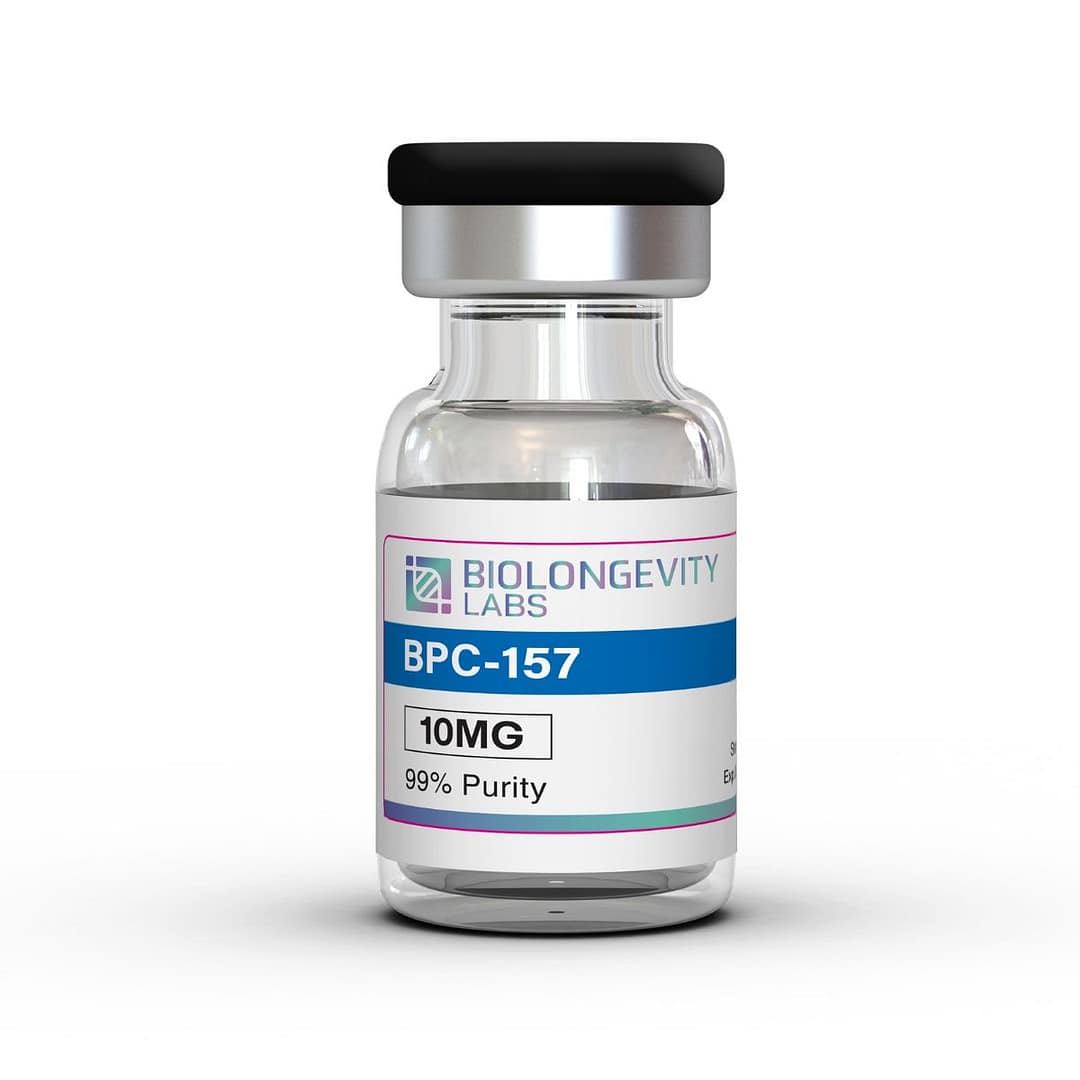
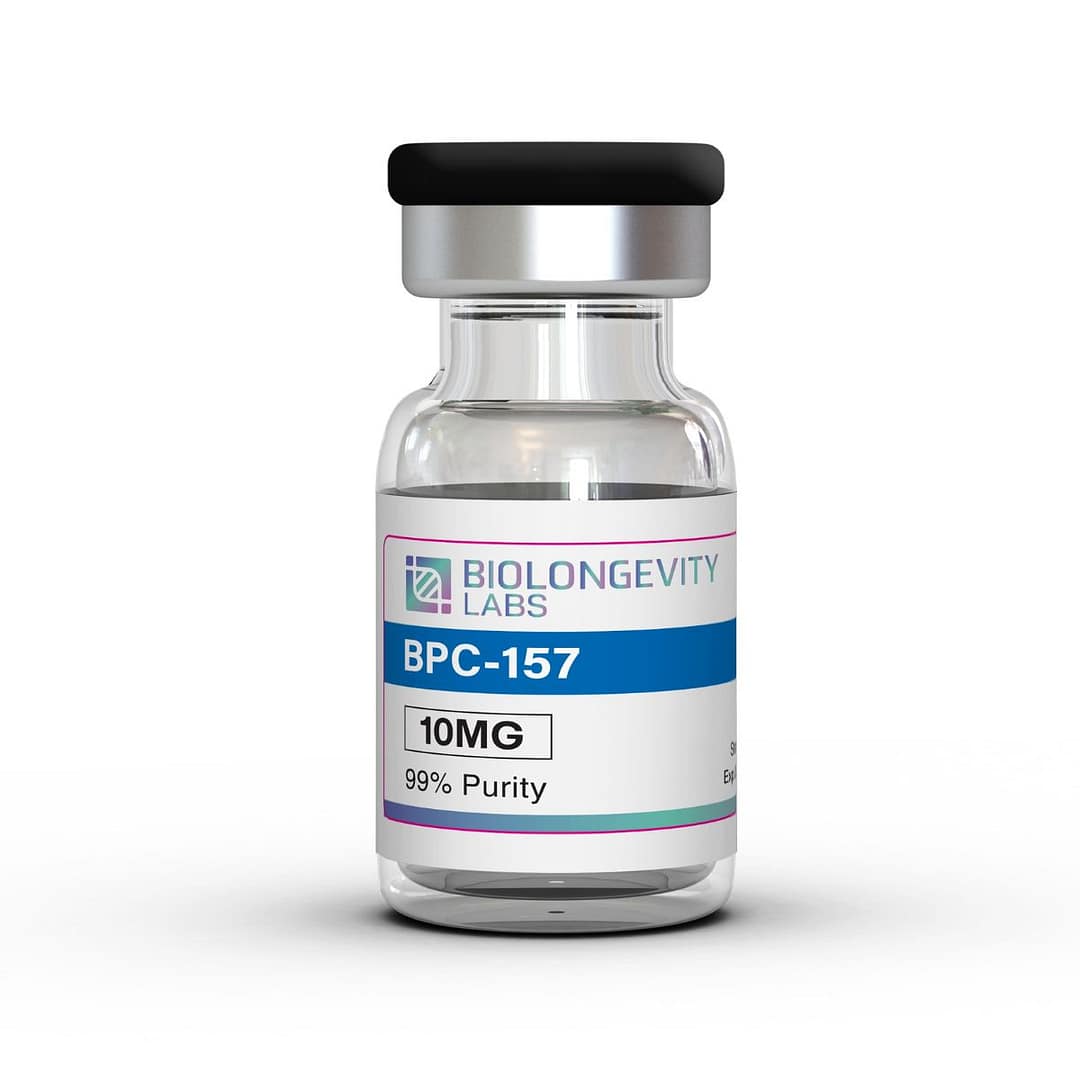
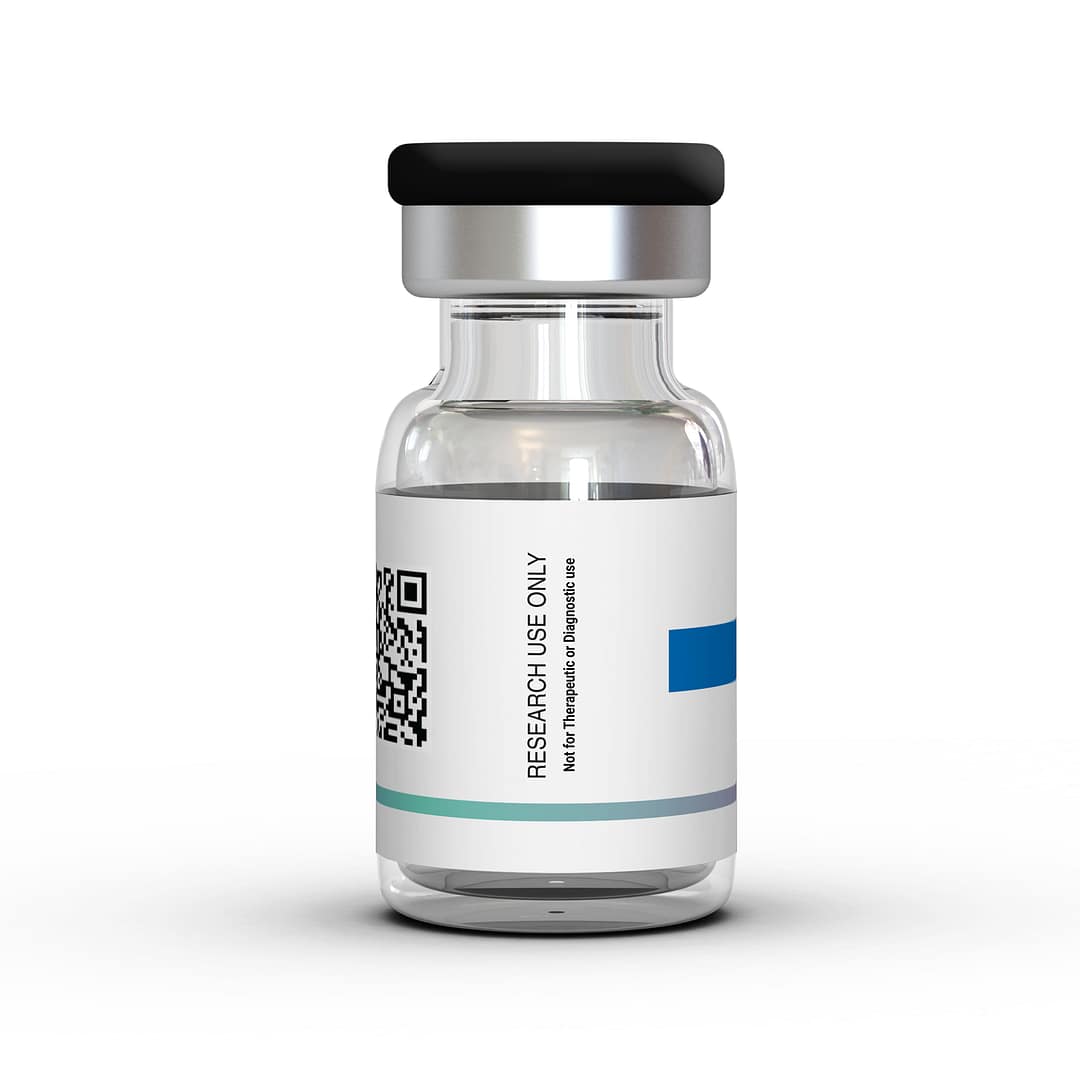
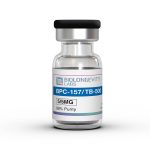
BPC 157 Peptide (10mg)
$40.89
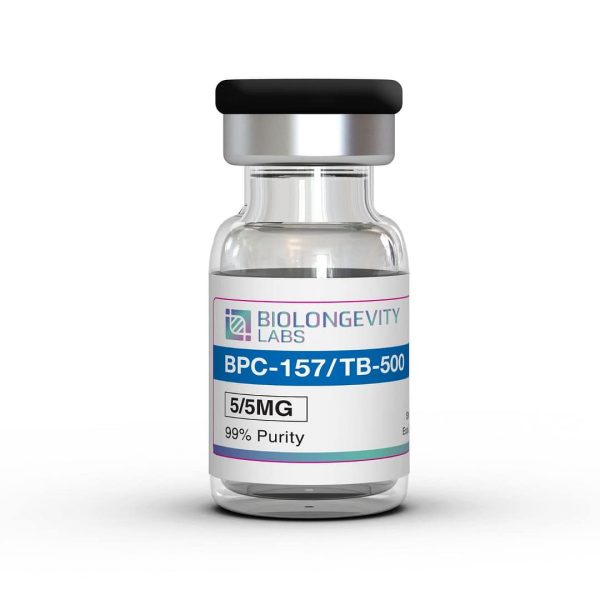
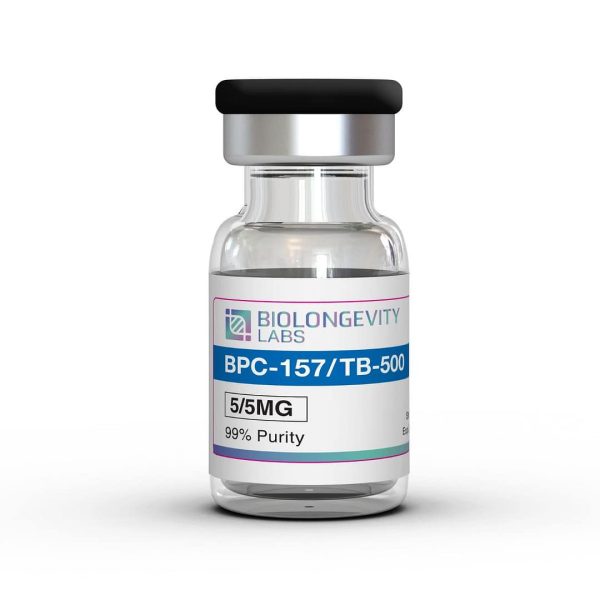
bpc 157 peptide(Body Protection Compound 157) is a stable gastric pentadecapeptide recognized for its significant healing properties across various tissues and conditions.
What Is BPC 157 Peptide?
BPC 157 peptide is a peptide. This means that it is a short string of amino acids designed to accomplish a task within the body. Different peptides come from different parts of your body, and all accomplish different tasks. Specifically, BPC-157 is derived from the stomach. There, it plays a part in restoring and regenerating cells. This is a critical part of your digestive system, as the cells there are naturally damaged from your body’s own stomach acid and need a level of restoration and repair.
In the same area, BPC 157 peptide may also provide some natural protection to the digestive system as a whole. This ability to regenerate, restore, and protect is evidenced in the name of the peptide. The BPC in the title stands for “body protection compound.
Primary Benefits BPC 157 Peptide
| Target Area | Research Findings |
| Tendons & Ligaments | Accelerated healing of Achilles tendons, torn ligaments, and surgical detachments, even when impaired by corticosteroids. |
| Muscle & Bone | Promotes myogenesis (muscle repair) and osteogenesis (bone matrix deposition) in fractures or severe muscle tears. |
| Gastrointestinal Health | Protects gastric mucosa from NSAID-induced ulcers, alcohol damage, and promotes healing in rodent models of inflammatory bowel disease (IBD/colitis). |
| Nerve & Joint Protection | Facilitates peripheral nerve regeneration and stabilizes neurotransmitter pathways (dopamine, GABA) following injury or toxin exposure. |
How BPC-157 Dosage Works
BPC 157 peptide is typically measured in micrograms (µg), and the right dosage depends on:
- Your goal (localized vs systemic healing)
- Route of delivery (injection, oral, or sublingual)
- Body weight and metabolism
- Cycle duration and experience level
In most clinical settings, daily dosing falls between 200 µg and 1,000 µg, adjusted for body size and condition severity.
BPC-157 Injection Dosage (Subcutaneous)
Most users take between 250 µg and 500 µg once or twice daily for 4–6 weeks, often injected near the injured area.
Subcutaneous (SubQ) injections deliver peptides directly into the tissue, improving absorption.
- Start low: Begin around 250 µg daily for 1–2 weeks
- Increase gradually: Up to 500 µg twice daily if tolerated
- Cycle: 4–6 weeks on, then take 2–4 weeks off
This approach supports tendon, muscle, or ligament healing without overloading the
Regulatory & Safety Status
-
FDA & Regulatory Approval: BPC 157 peptide is not approved by the FDA (or equivalent global health authorities) for human medical use.
-
Quality & Contamination Risks: Because it is unapproved, products sold online or via research suppliers are unregulated. They carry a high risk of being mislabeled, contaminated with residual synthesis chemicals, or unsterile, which can cause severe injection site reactions, abscesses, or systemic immune responses.
-
Unknown Long-Term Side Effects: While animal trials did not show acute toxicity at studied doses, the long-term safety profile in humans—including potential effects on tumor growth via its blood-vessel-promoting pathways—remains unknown.
Standard & Proven Arthritis Treatments
If you are seeking relief from osteoarthritis or inflammatory joint pain, evidence-based options offer proven efficacy and safety:
| Approach | Evidence-Based Alternatives |
| First-Line Medical Therapies | Oral NSAIDs, topical anti-inflammatory gels (e.g., Voltaren/diclofenac), or targeted physical therapy. |
| Injections & Biologics | Intra-articular corticosteroid injections for immediate relief, or Hyaluronic Acid (viscosupplementation) for joint lubrication. |
| Regenerative Orthopedics | Platelet-Rich Plasma (PRP) therapy or bone marrow aspirate concentrate (BMAC) under medical supervision. |
| Lifestyle & Weight Management | Targeted low-impact strength training and weight loss to reduce mechanical load on weight-bearing joints (e.g., knees, hips). |
Related products
ARA 290 Peptide (15mg)
Cagrilintide (Amylin Analog) (5mg)
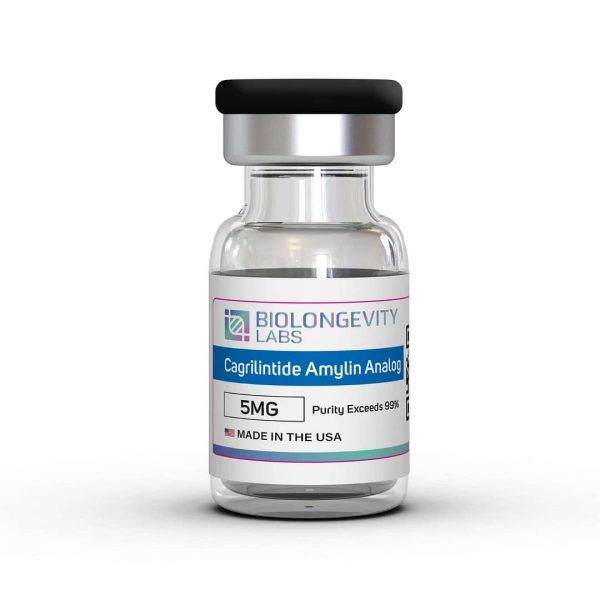
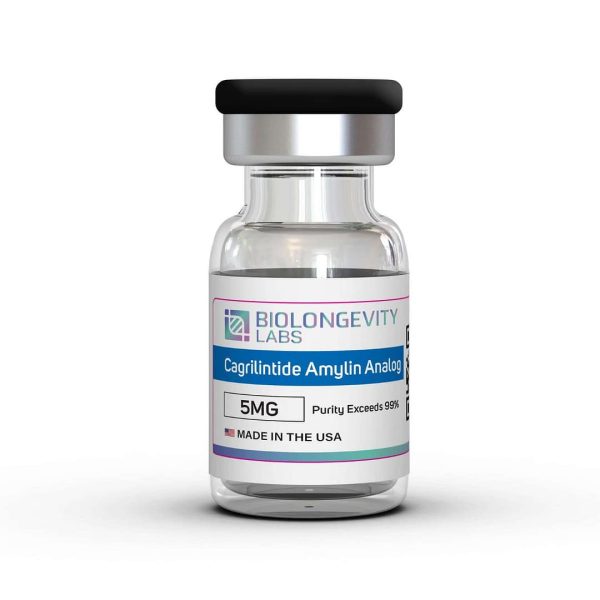
Cagrilintide is a novel long-acting amylin analogue featuring N-terminal lipidation that extends its half-life by binding to albumin. This synthetic peptide mimics and enhances natural amylin’s effects, simultaneously targeting multiple metabolic and appetite regulation pathways in both homeostatic and hedonic systems.
FOXO4-DRI (10 mg)
FOXO4-DRI is a synthetic peptide designed to selectively induce apoptosis in senescent cells, which are cells that have stopped dividing but remain metabolically active. These cells contribute to aging and various age-related diseases through their pro-inflammatory secretions, known as the senescence-associated secretory phenotype (SASP).
Klotho (alphaKlothoLR) (20mcg)
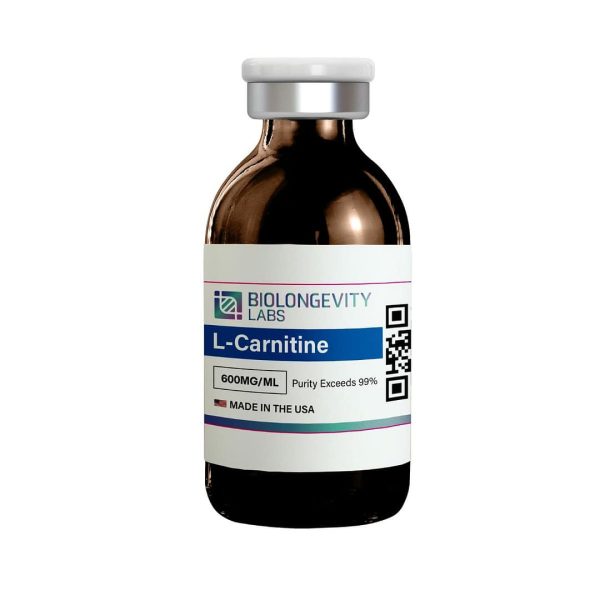
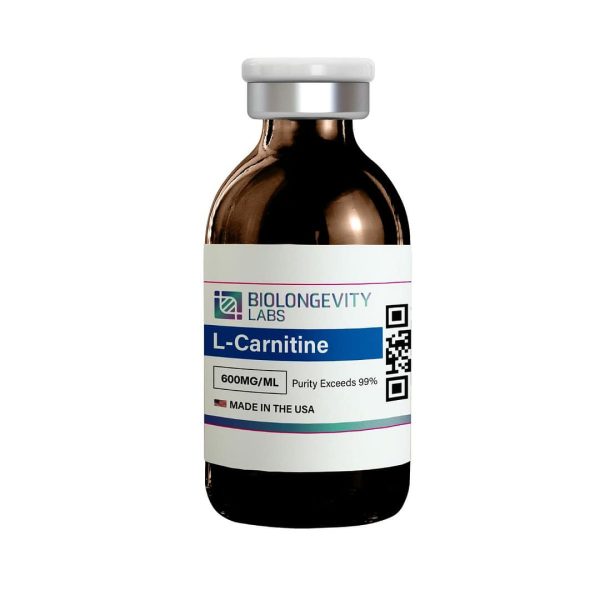
L-Carnitine (600mg/mL)
L-Carnitine is a naturally occurring compound involved in fatty acid metabolism. It functions as a transporter of long-chain fatty acids into the mitochondria, enabling β-oxidation for energy production. This metabolic pathway supports cellular energy balance and reduces the risk of toxic fatty acid buildup within cells.
Note: Each vial is reconstituted with 20ML of BAC water.
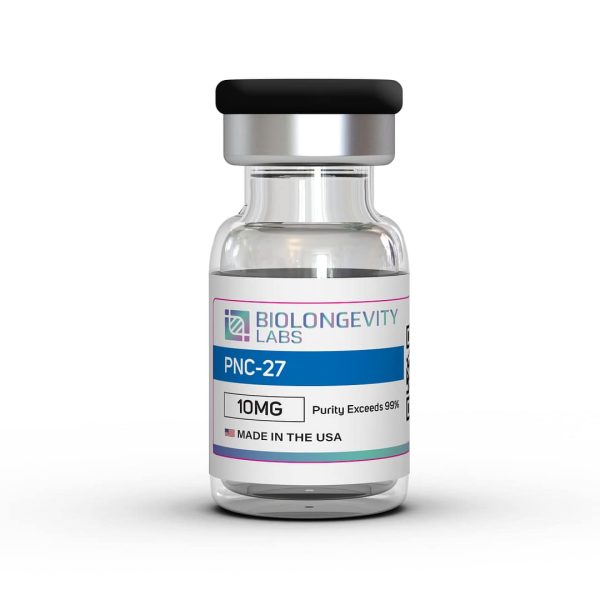
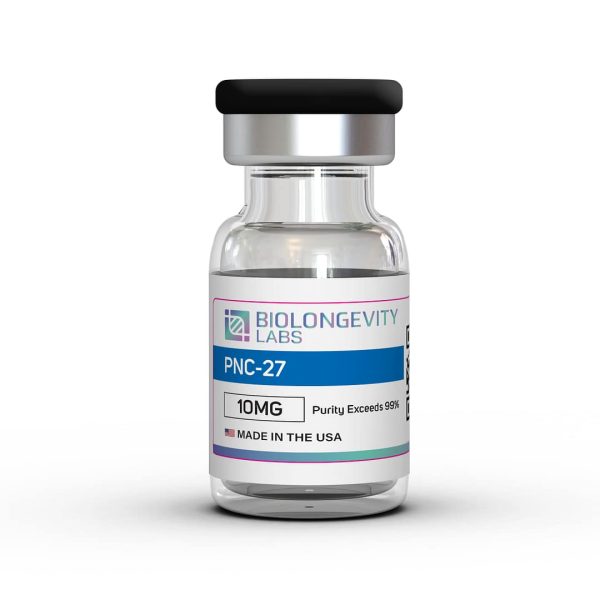
PNC-27 (10mg)