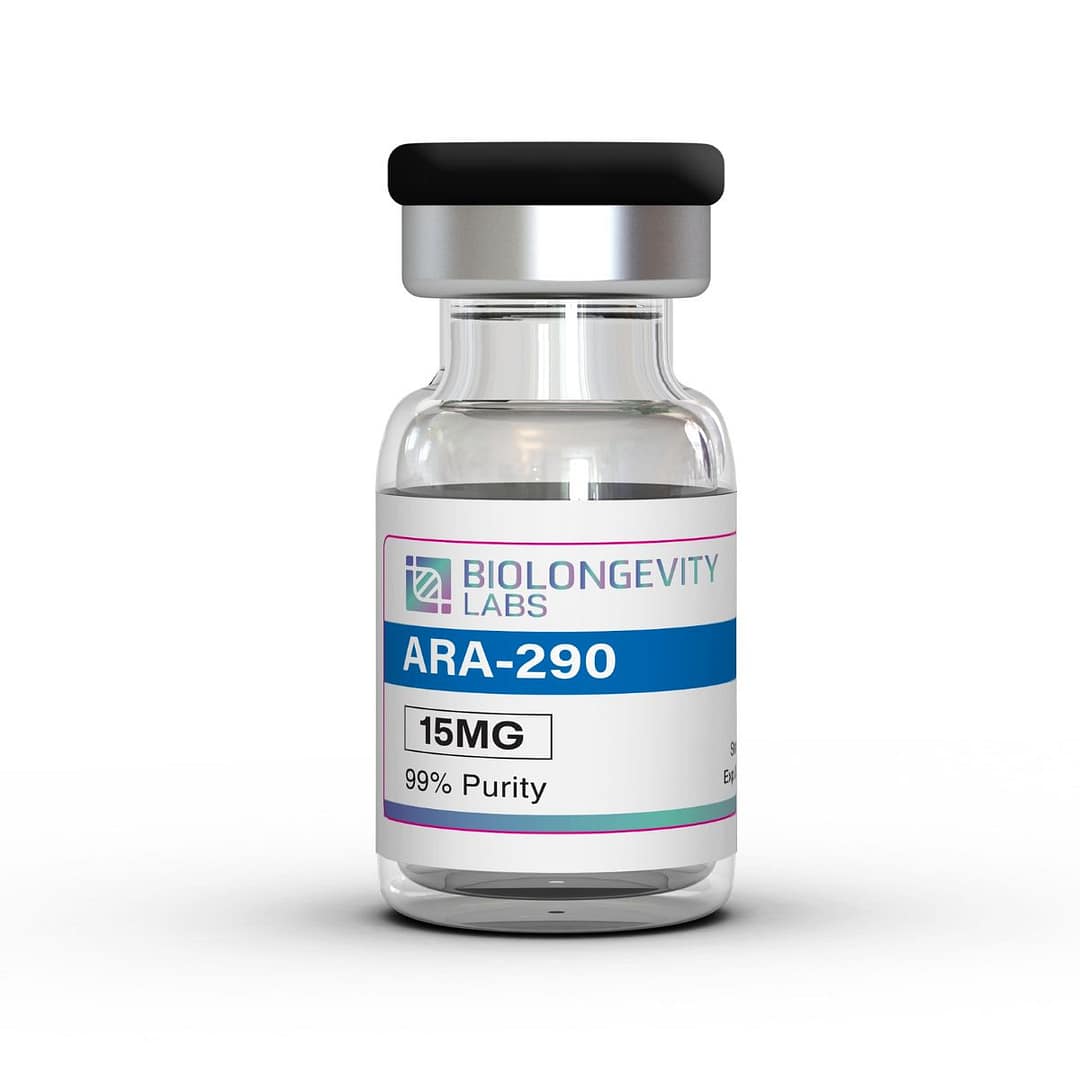
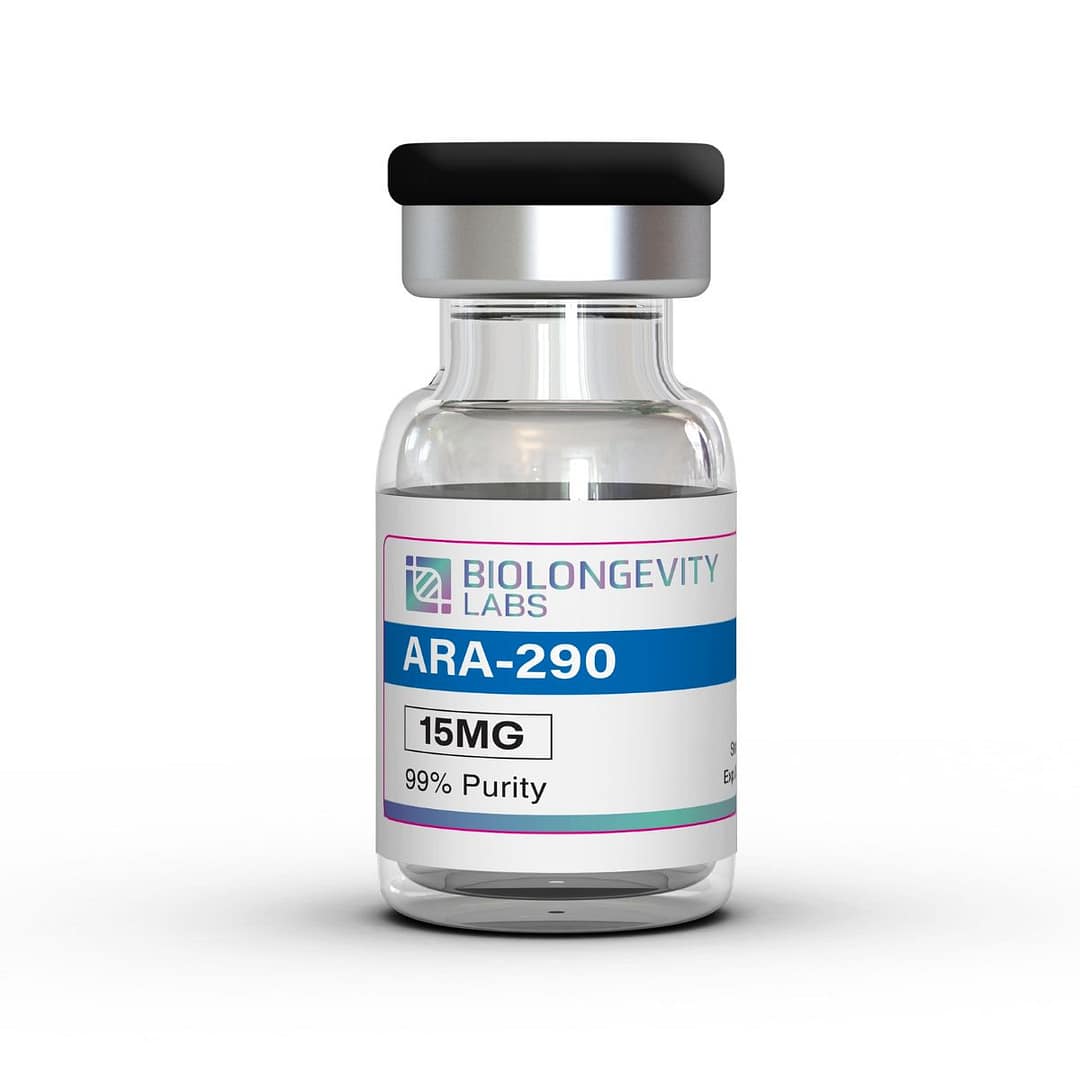
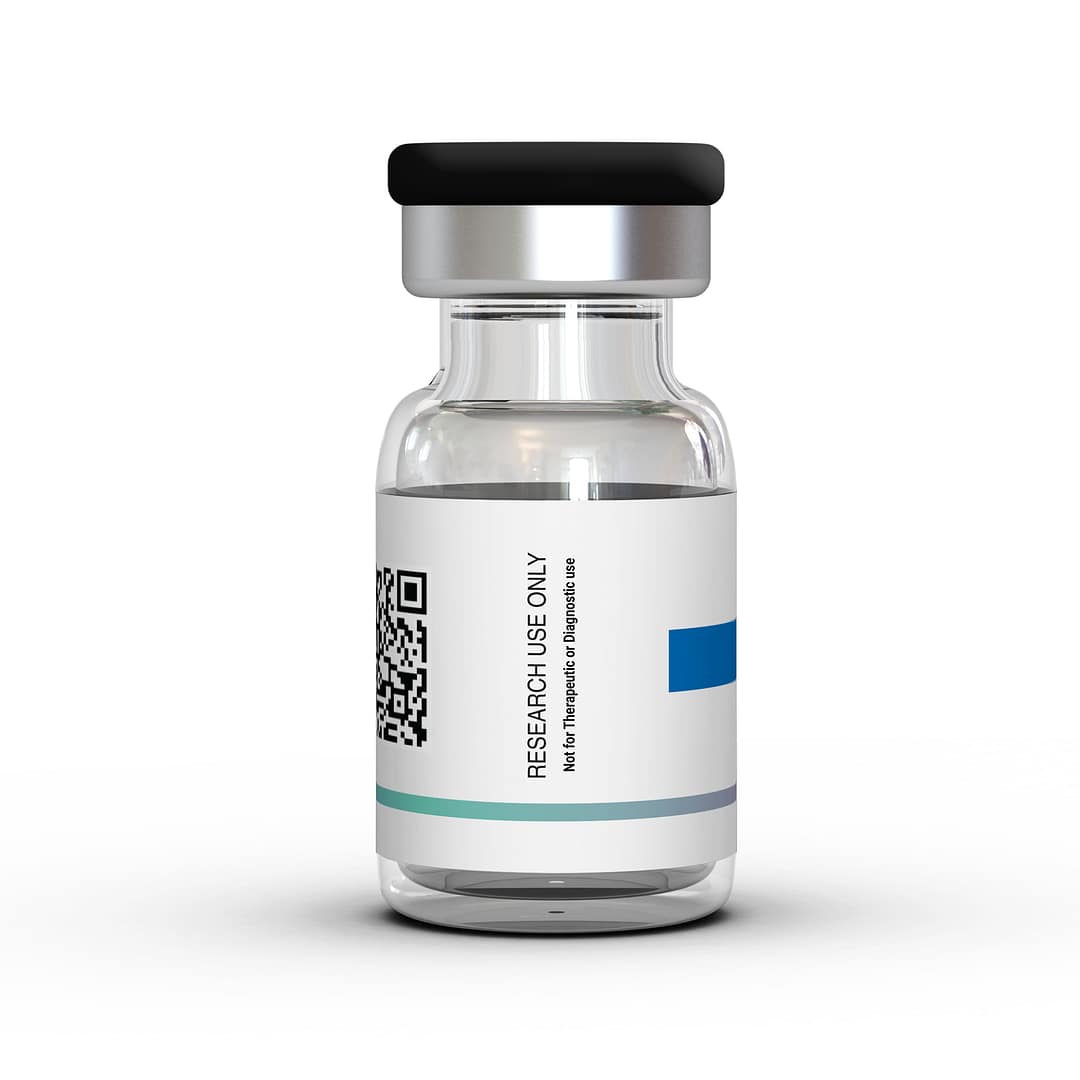
ARA 290 Peptide (15mg)
$46.00
ARA 290 peptide represents a promising therapeutic peptide with demonstrated benefits in clinical studies of diabetic neuropathy and chronic neuropathic pain.
ARA 290 Peptide
ARA 290 peptide is a synthetic 11-amino acid peptide derived from the tissue-protective domain of erythropoietin (EPO), specifically engineered to retain neuroprotective and tissue-protective properties while eliminating erythropoietic activity. This innovative therapeutic agent activates the innate repair receptor (IRR), also known as the common β-receptor (CD131), which plays a crucial role in tissue protection, repair, and regeneration processes.
Chemical structure & Properties
-
Molecular Formula: C59H95N17O22
-
Molecular Weight: 1,382 Da
-
Sequence: 11 amino acids derived from erythropoietin’s tissue-protective domain
-
Half-life: Approximately 6-8 hours following subcutaneous administration
-
Stability: Stable in lyophilized form, requires refrigeration when reconstituted
Key Highlights
-
Mechanism of Action: Selectively activates the Innate Repair Receptor (IRR / CD131), initiating cell survival pathways, lowering inflammation, and building cellular resilience against oxidative and hyperglycemic damage.
Clinical Applications and Research Benefits
Regulatory Disclaimer: ARA 290 peptide is an investigational peptide without FDA or EMA approval. The following data reflects Phase II research parameters, not medical guidelines.
Clinical Trial Dosing Protocols
| Protocol Type | Dose & Route | Duration | Primary Indications Studied |
| Pivotal Phase II (Standard) |
4 mg (4,000 mcg) / day
(Subcutaneous) |
28 consecutive days | Diabetic neuropathy, Sarcoidosis small-fiber neuropathy |
| Extended Phase II |
4 mg / day
(Subcutaneous) |
Up to 12 weeks | Diabetic macular edema |
| Early Pilot Studies |
2 mg
(IV, 3x / week) |
4 weeks | Small-fiber neuropa |
-
Route Rationale: 4 mg SC daily achieves tissue receptor (IRR) binding levels comparable to IV administration, making SC the preferred delivery route for outpatient clinical research.
Administration & Handling Guidelines
-
Injection Sites: Subcutaneous rotation across the abdomen, anterior thighs, or upper arms.
-
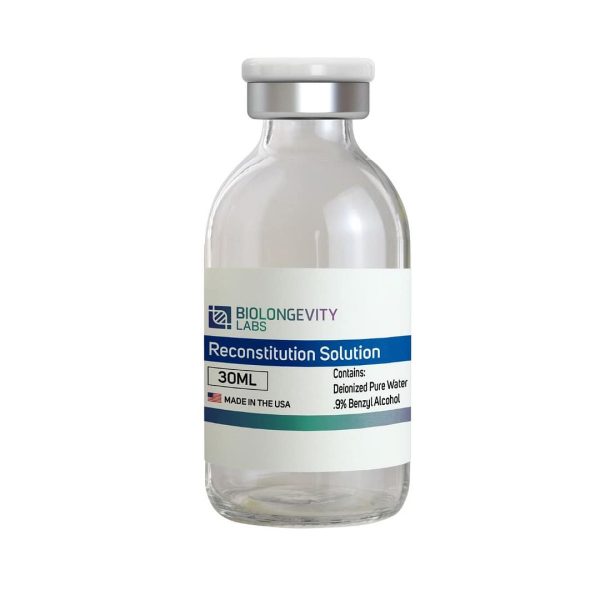
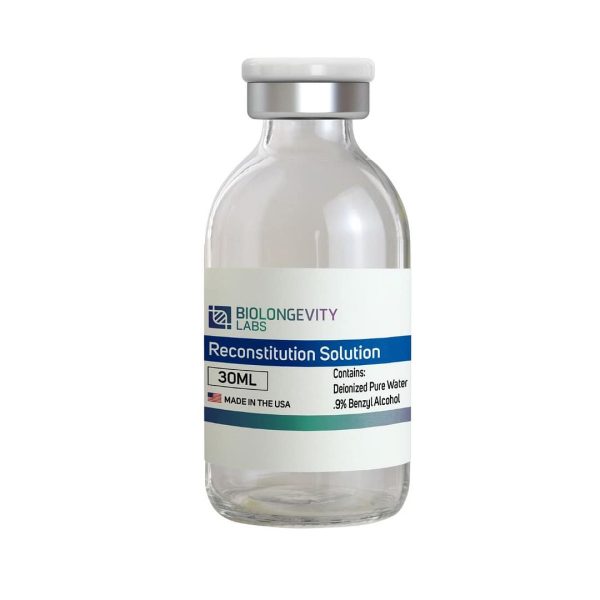
Reconstitution: Reconstitute lyophilized powder using sterile or bacteriostatic water.
-
Storage & Stability: Keep reconstituted solutions refrigerated at 2°C–8°C (36°F–46°F); use within 30 days.
Conclusion
ARA 290 peptide represents a promising therapeutic peptide with demonstrated benefits in clinical studies of diabetic neuropathy and chronic neuropathic pain. Its unique mechanism of action through innate repair receptor activation offers distinct advantages in neurological applications without the cardiovascular risks associated with traditional erythropoietin therapy.
The current evidence base includes positive Phase II clinical trial results with excellent safety profiles. However, the investigational status and need for Phase III studies necessitate careful consideration and medical supervision for any therapeutic application. Patients interested in ARA-290 therapy should engage in thorough discussions with qualified healthcare providers and explore participation in clinical trials or expanded access programs.
Related products
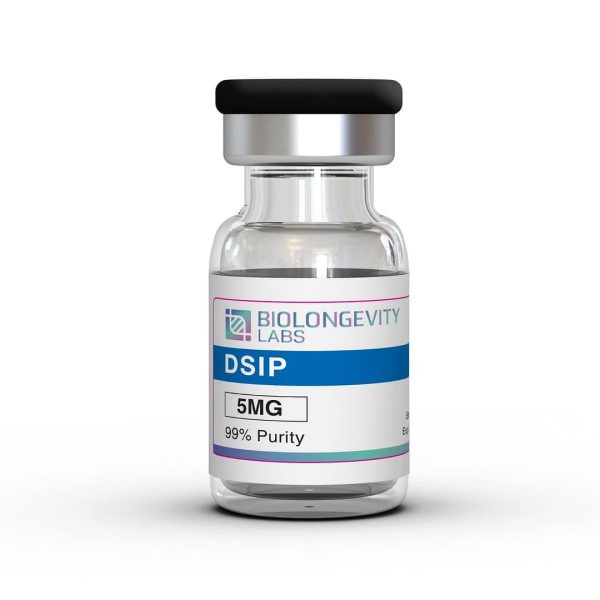
DSIP (Delta Sleep Inducing Peptide) (5mg)
Delta Sleep Inducing Peptide (DSIP) is a naturally occurring nonapeptide known for its role in promoting sleep, particularly delta sleep, across various species including rabbits, rats, and mice. It is characterized by its ability to enhance delta and spindle electroencephalogram (EEG) patterns, which are associated with deep sleep stages.
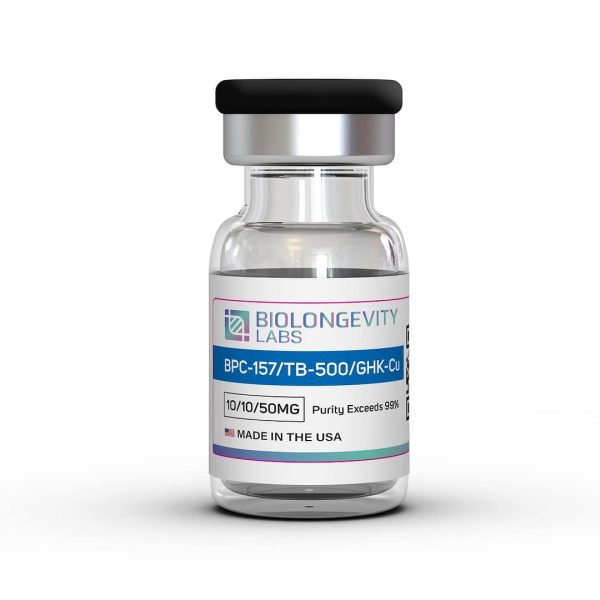
GLOW Peptide (GHK-Cu, BPC-157, TB-500) (70mg)
Kisspeptin-10 (10mg)
N-Acetyl Selank Amidate (20mg)
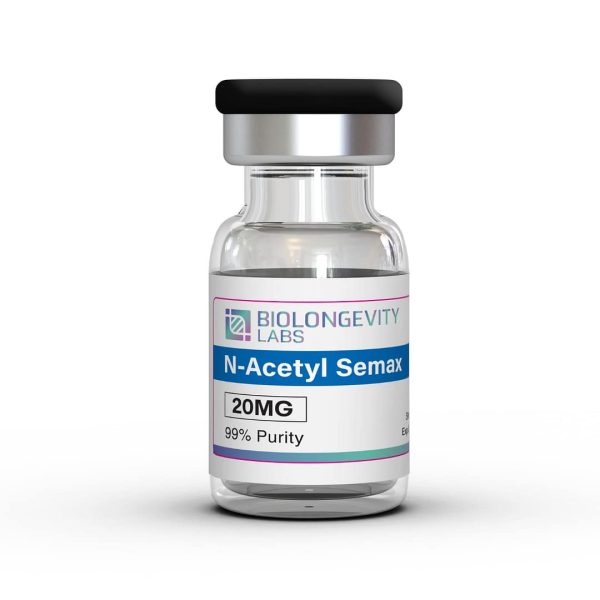
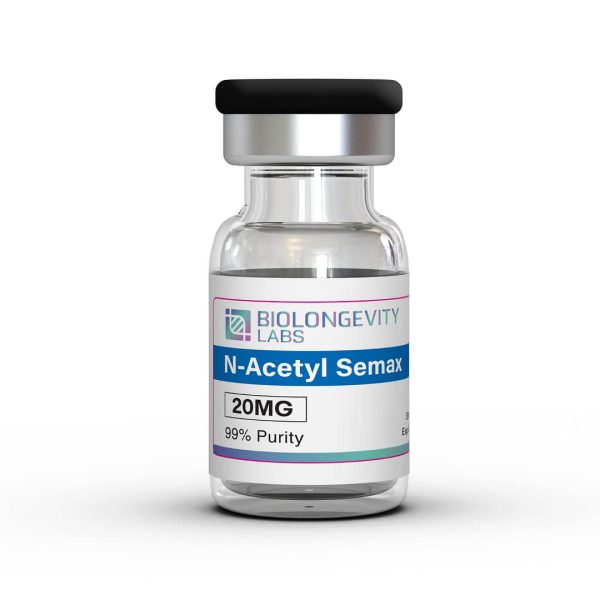
N-Acetyl Semax Amidate (20mg)
N-acetyl Semax is a synthetic heptapeptide derived from the adrenocorticotropic hormone (ACTH) fragment ACTH(4-7), modified with an N-terminal acetyl group and a C-terminal Pro-Gly-Pro extension. This structural adaptation enhances its stability against enzymatic degradation. N-acetyl Semax interacts with melanocortin receptors (MC₄ and MC₅), modulating pathways linked to cognitive function, stress response, and neuroprotection.
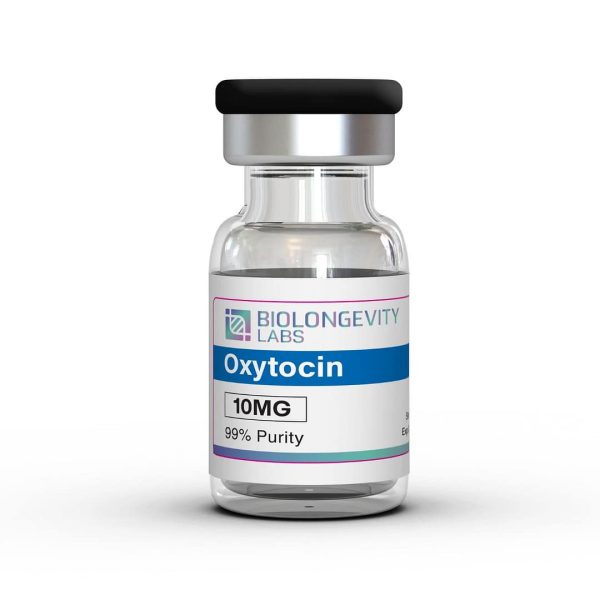
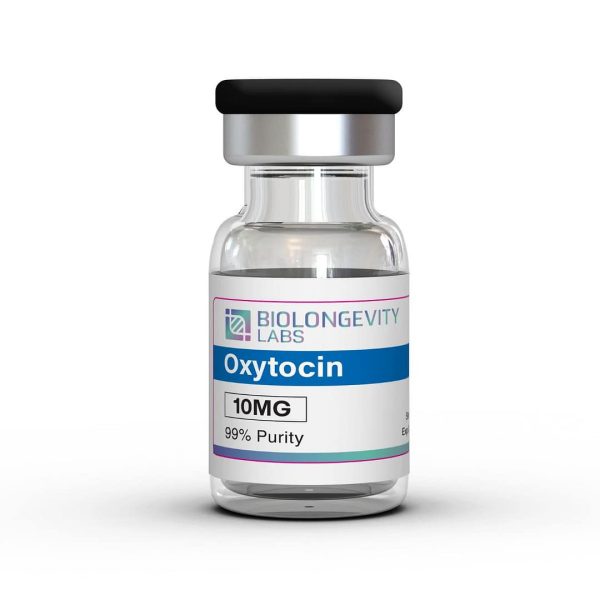
Oxytocin (10mg)