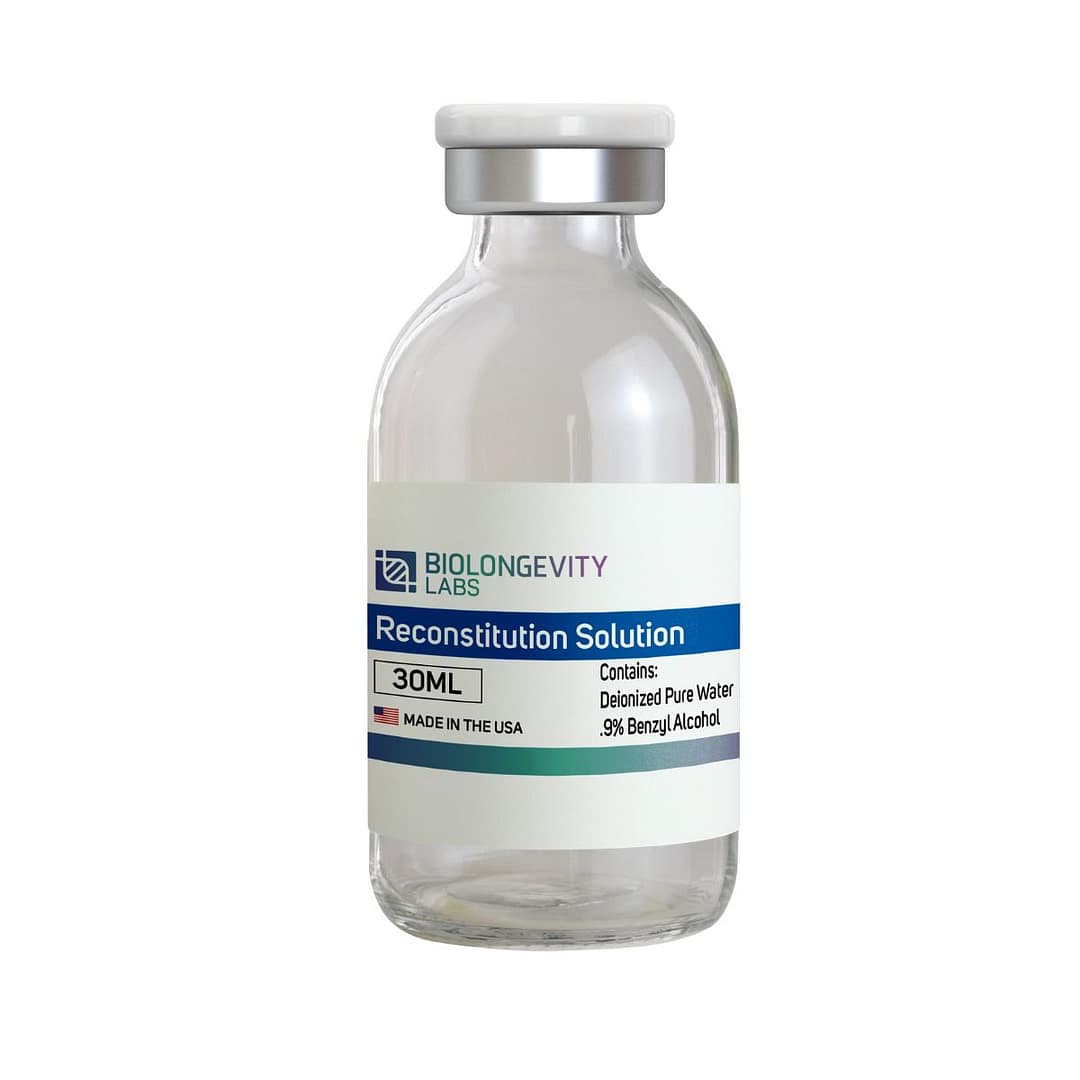
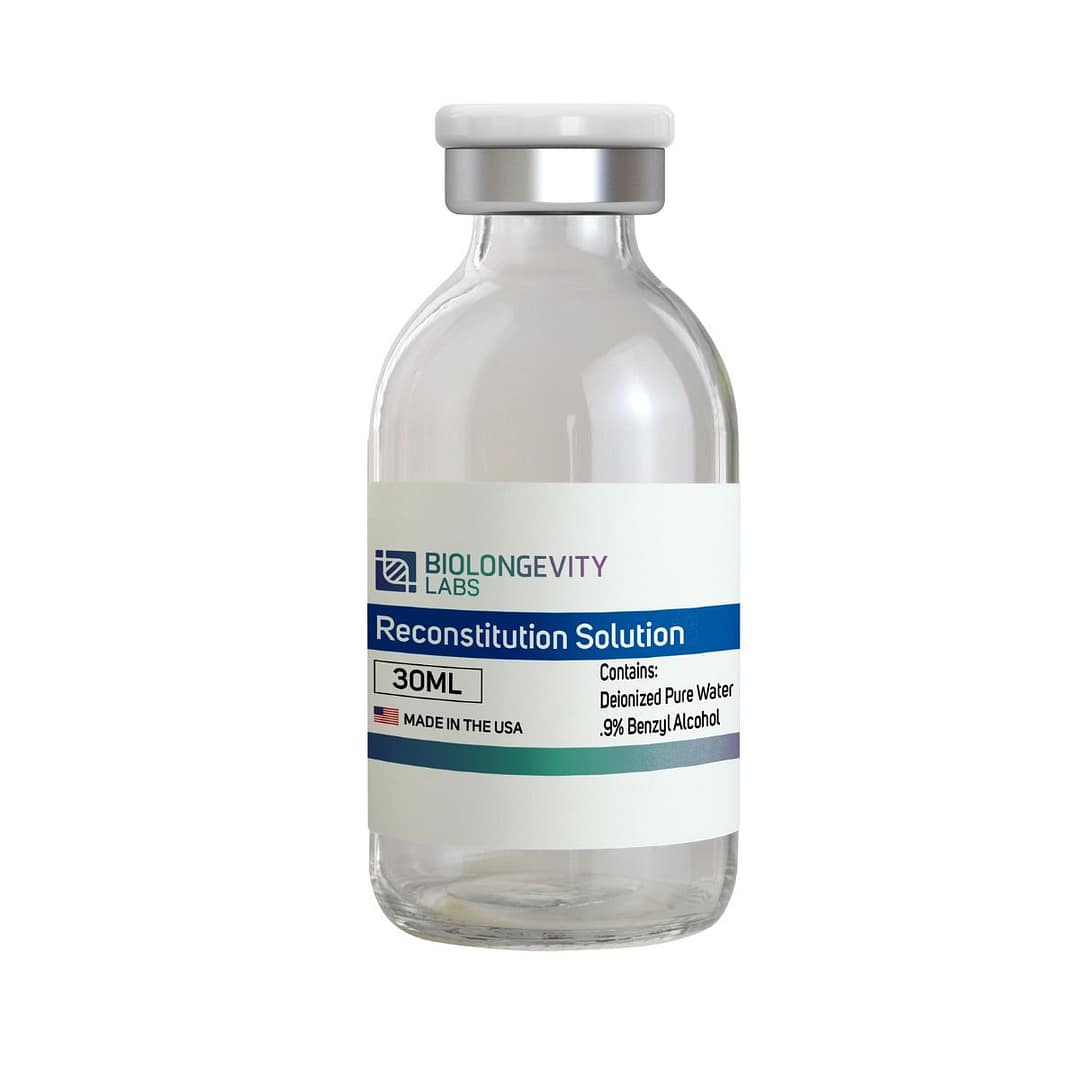
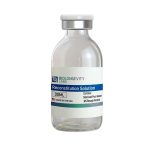
Bac Water (Reconstitution Solution) (30ml)
$19.97
Also referred to as BAC Water, this solution is composed of ultra-pure, sterile, filtered water with 1% benzyl alcohol.Bacteriostatic water isn’t like regular water; it’s specially treated to inhibit the growth of bacteria
What Is Bacteriostatic Water For Peptides Reconstitution?
Bac Water: The world of biochemistry is a complex one, and understanding the various aspects of it can be difficult. One particular area that is often misunderstood is the use of bacteriostatic water for peptide reconstitution. Peptides are short chains of amino acids and reconstituting them requires specific techniques and materials. In this article, we’ll explore what bac water is and how it’s used in peptide reconstitution.
Bacteriostatic water isn’t like regular water; it’s specially treated to inhibit the growth of bacteria. It also has antimicrobial properties, meaning that it can help to prevent infection from occurring when it comes into contact with living tissue or cells. This makes it ideal for use in medical settings where contamination could be an issue. It’s also an effective solvent for peptides, allowing them to dissolve quickly and efficiently without any issues.
Finally, bac water helps to protect against biofilm formation, which is when bacteria form a protective layer over cells or other surfaces in order to better survive hostile environments. This can lead to contamination in medical settings and so using bacteriostatic water as part of the process helps to ensure that no biofilm forms on the peptides being reconstituted. In this article, we’ll look at all these factors in more detail, helping you understand why bacteriostatic water is so important when dealing with peptide reconstitution.
Does Bacteriostatic Water Go Bad?
Bac water for injections does indeed go bad.
It is recommended that after you open, or use a vial of bacteriostatic water, that you dispose of it after 28 days. This is because the effectiveness of benzyl alcohol as a preservative loses its potency with repeat use and exposure.
This can cause bacteria to thrive inside the vial. Since many bacterial infections are largely invisible to the naked eye, it’s simply best practice to throw it away 28 days after its initial use.
However, if left unused, bacteriostatic water can be stored and left alone.
To store bacteriostatic water for injections simply::
- Find a relatively cool location, between 60 – 80 degrees Fahrenheit.
- Make sure this location is kept out of sunlight, preferably a cabinet.
Bacteriostatic Saline (Bacteriostatic 0.9% Sodium Chloride Injection, USP) is a sterile, isotonic solution of salt and water that contains an added preservative—typically 0.9% benzyl alcohol.
Unlike standard single-dose normal saline, the added benzyl alcohol inhibits the growth of bacteria, allowing the vial to be accessed multiple times safely over an extended period.
does bacteriostatic water need to be refrigerated?
Unopened bacteriostatic water does not need to be refrigerated. Standard medical guidance requires storing unopened vials at controlled room temperature (59°F to 86°F / 15°C to 30°C) away from direct light and heat.
For opened (punctured) vials, requirements depend on whether you are storing the water alone or mixed with a medication
Storing Bacteriostatic Water
The sterile nature of bac water is essential for any peptide user. It’s the lifeblood of reconstitution, allowing peptides to be stored safely and easily. But where can one find such a precious resource? Knowing how to store bacteriostatic water properly is key in making sure it remains viable for use in rehydrating peptides
Bacteriostatic Water vs. Other Solvents
While bacteriostatic water is widely regarded as the optimal choice for peptide reconstitution, there are other solvents available, such as sterile water or saline solutions. However, these alternatives come with limitations.
Saline Solutions: (e.g., Bacteriostatic Sodium Chloride)
Conclusion
In the world of peptide research, 30ml bac water is not just a convenient solvent—it is an essential component of the reconstitution process. Its ability to maintain sterility over multiple uses, protect peptide integrity, and provide flexibility in research settings makes it the go-to choice for scientists working with sensitive peptides.
Related products
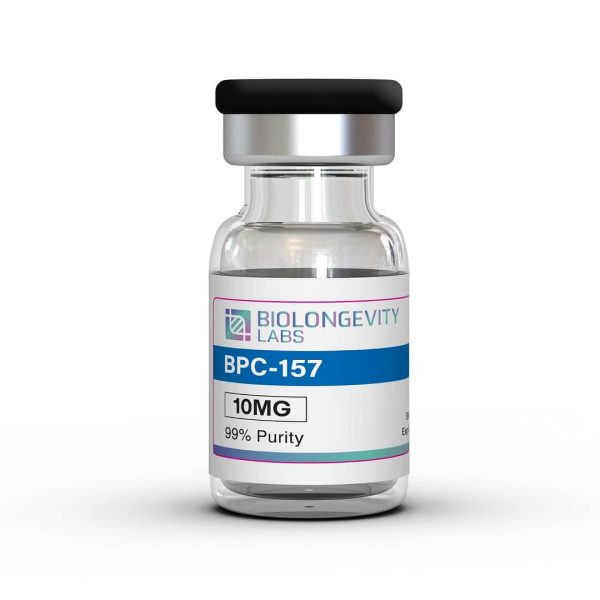
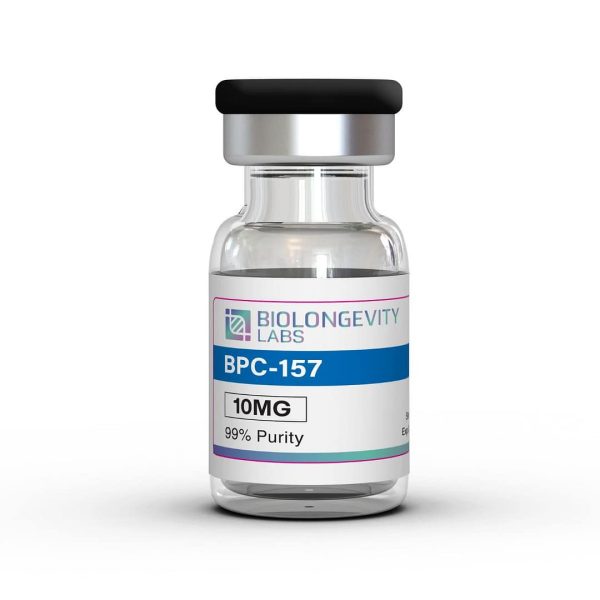
BPC 157 Peptide (10mg)
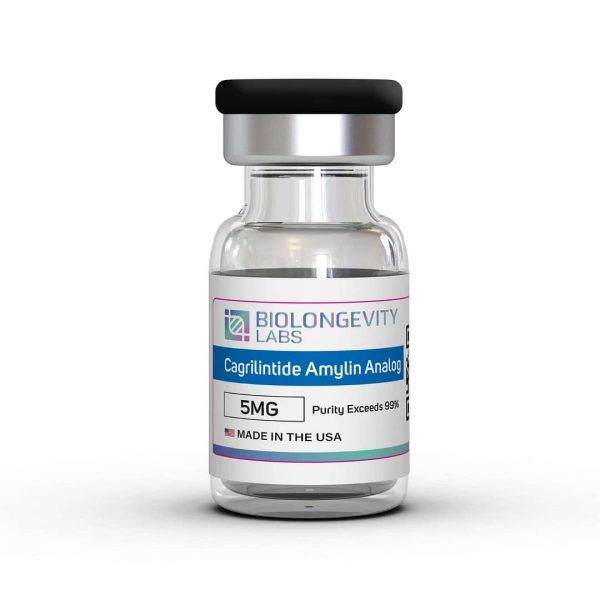
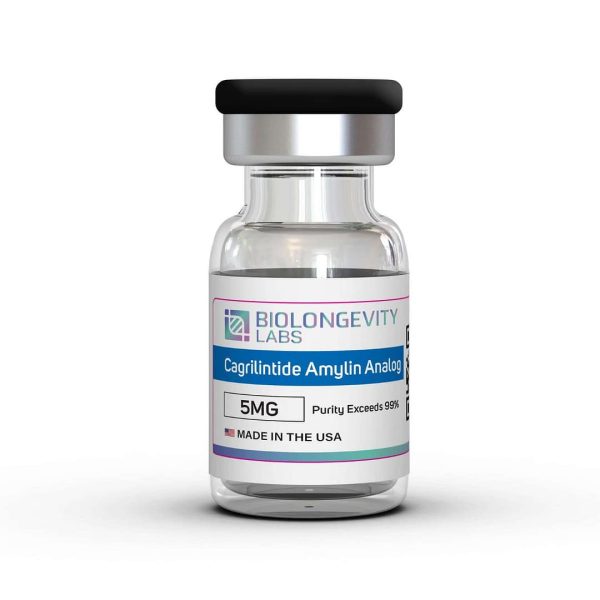
Cagrilintide (Amylin Analog) (5mg)
Cagrilintide is a novel long-acting amylin analogue featuring N-terminal lipidation that extends its half-life by binding to albumin. This synthetic peptide mimics and enhances natural amylin’s effects, simultaneously targeting multiple metabolic and appetite regulation pathways in both homeostatic and hedonic systems.
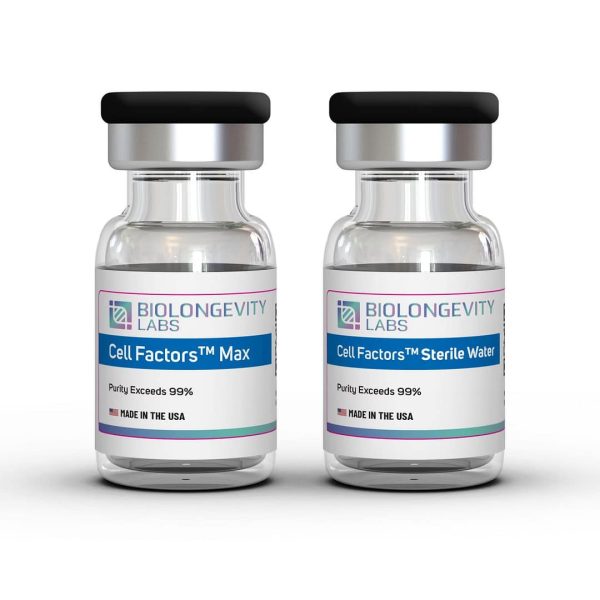
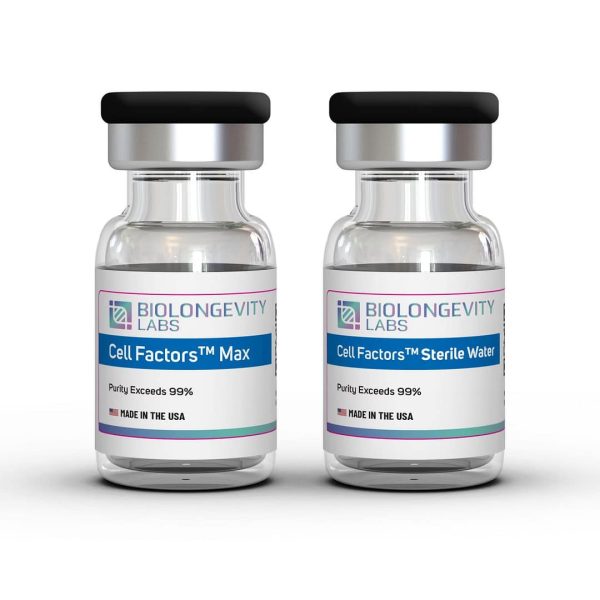
Cell Factors™
Cell Factors™ is a purified blend of natural signaling messengers derived from early placental cells, designed to support healthy cellular communication and environmental balance.
By helping cells “talk” to each other more effectively, it allows researchers to study how cellular signaling influences repair, regeneration, and overall function.
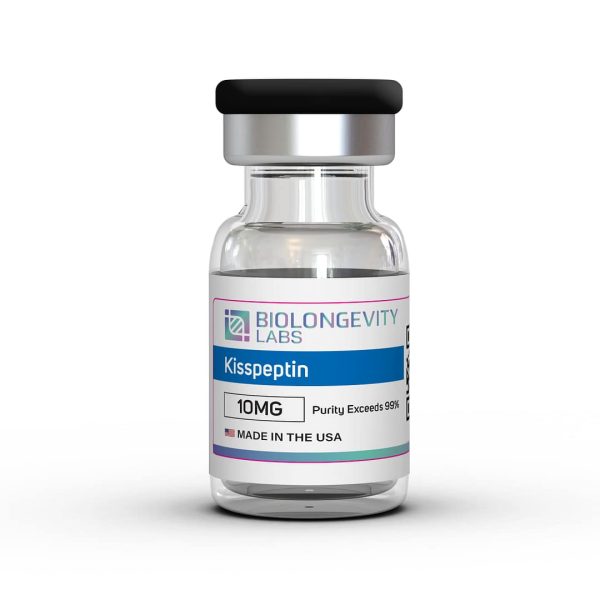
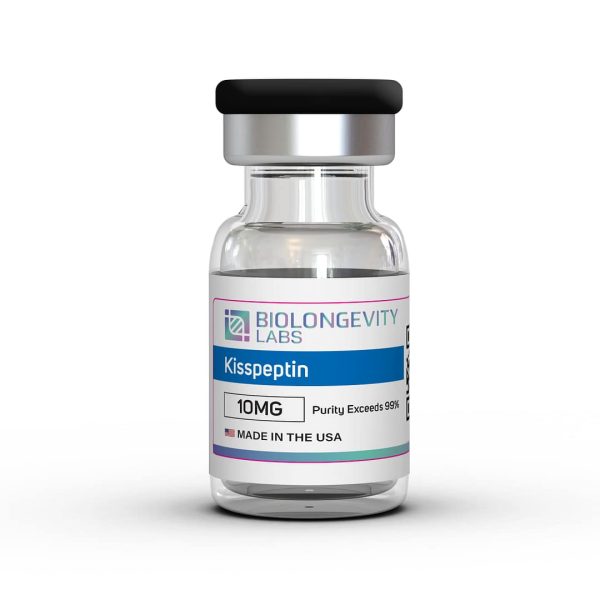
Kisspeptin-10 (10mg)
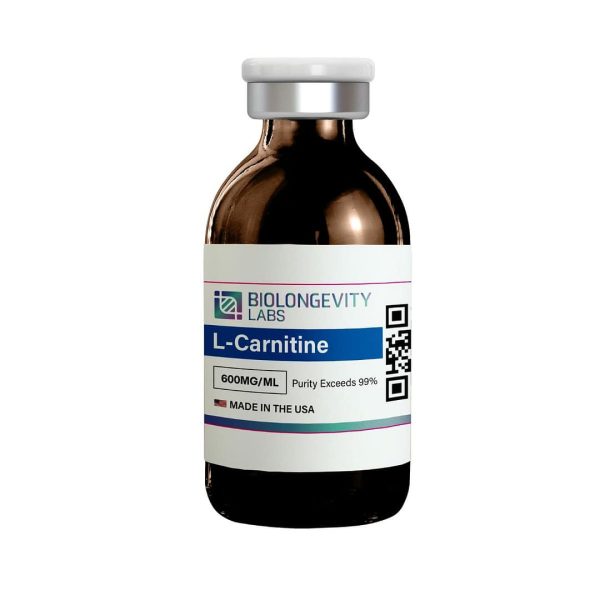
L-Carnitine (600mg/mL)
L-Carnitine is a naturally occurring compound involved in fatty acid metabolism. It functions as a transporter of long-chain fatty acids into the mitochondria, enabling β-oxidation for energy production. This metabolic pathway supports cellular energy balance and reduces the risk of toxic fatty acid buildup within cells.
Note: Each vial is reconstituted with 20ML of BAC water.
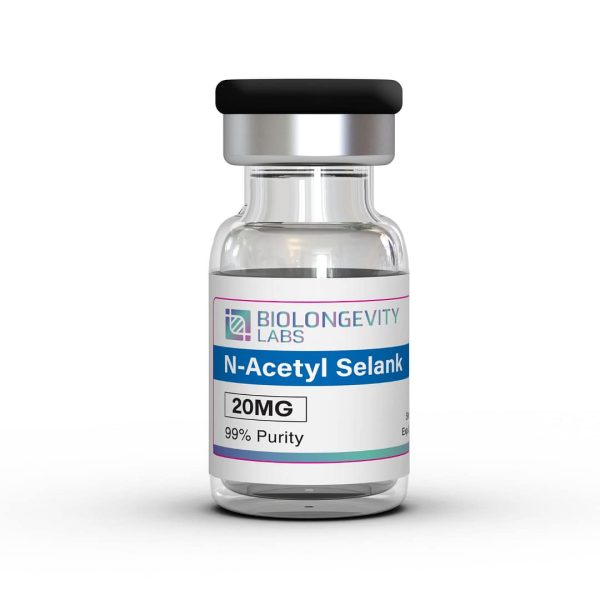
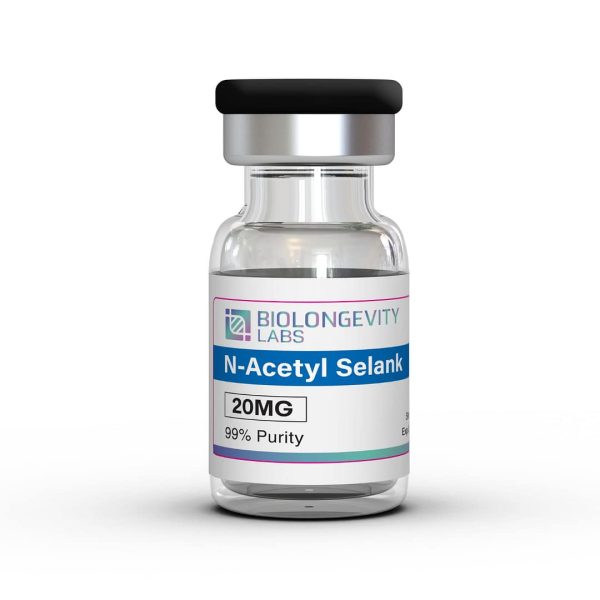
N-Acetyl Selank Amidate (20mg)