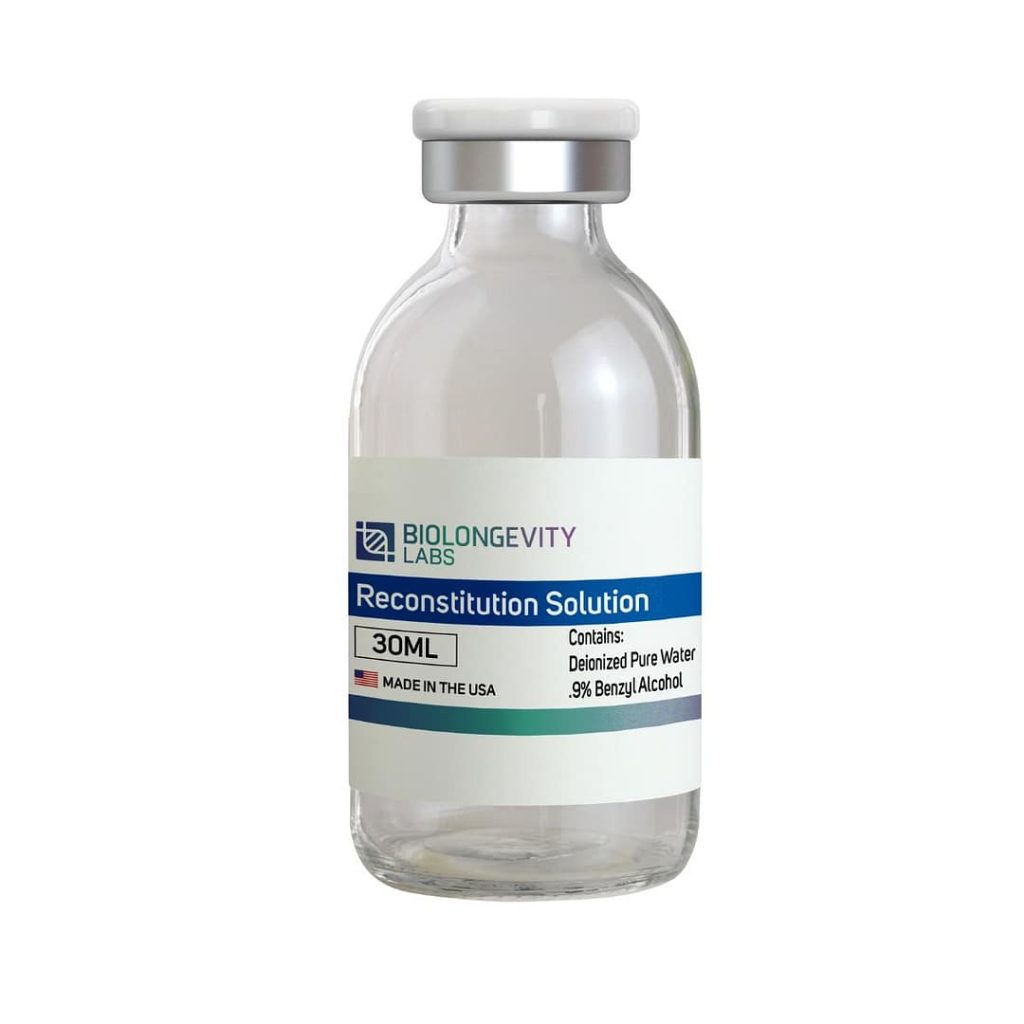
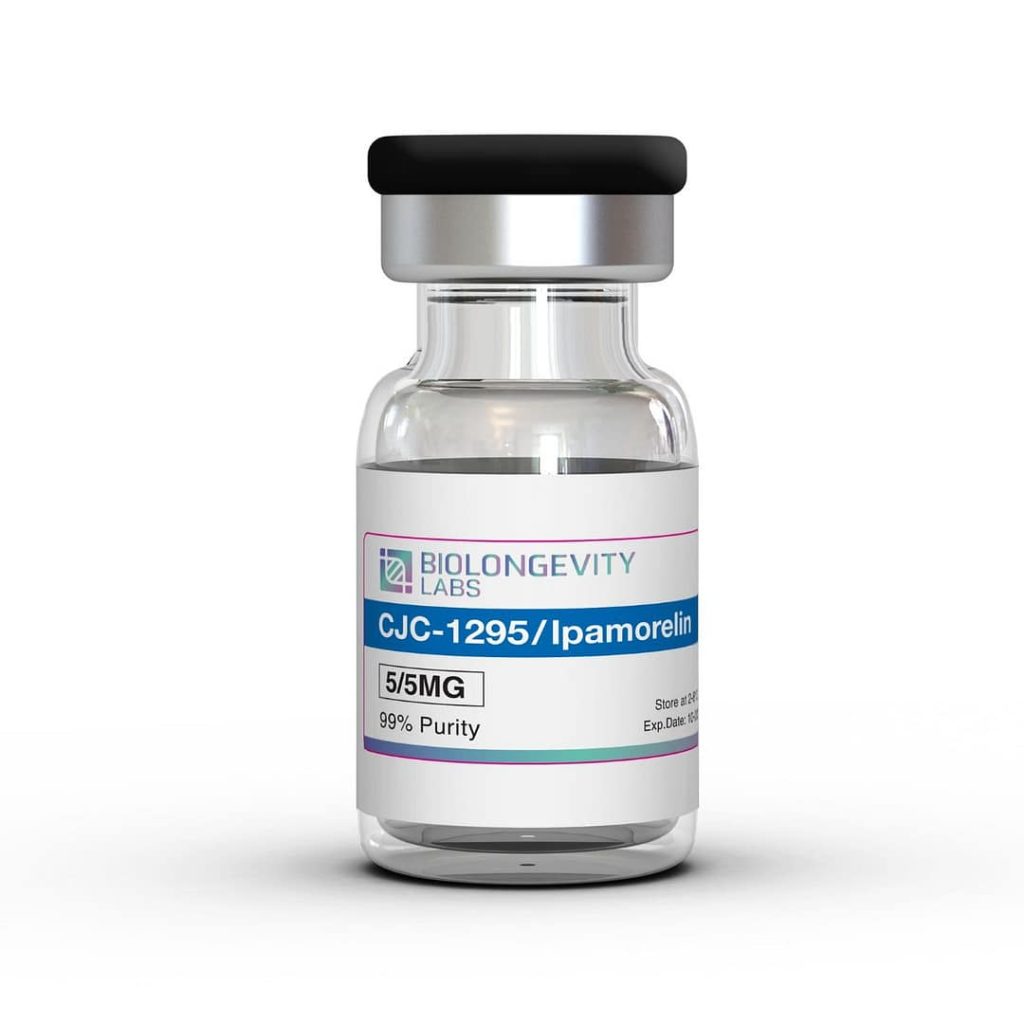
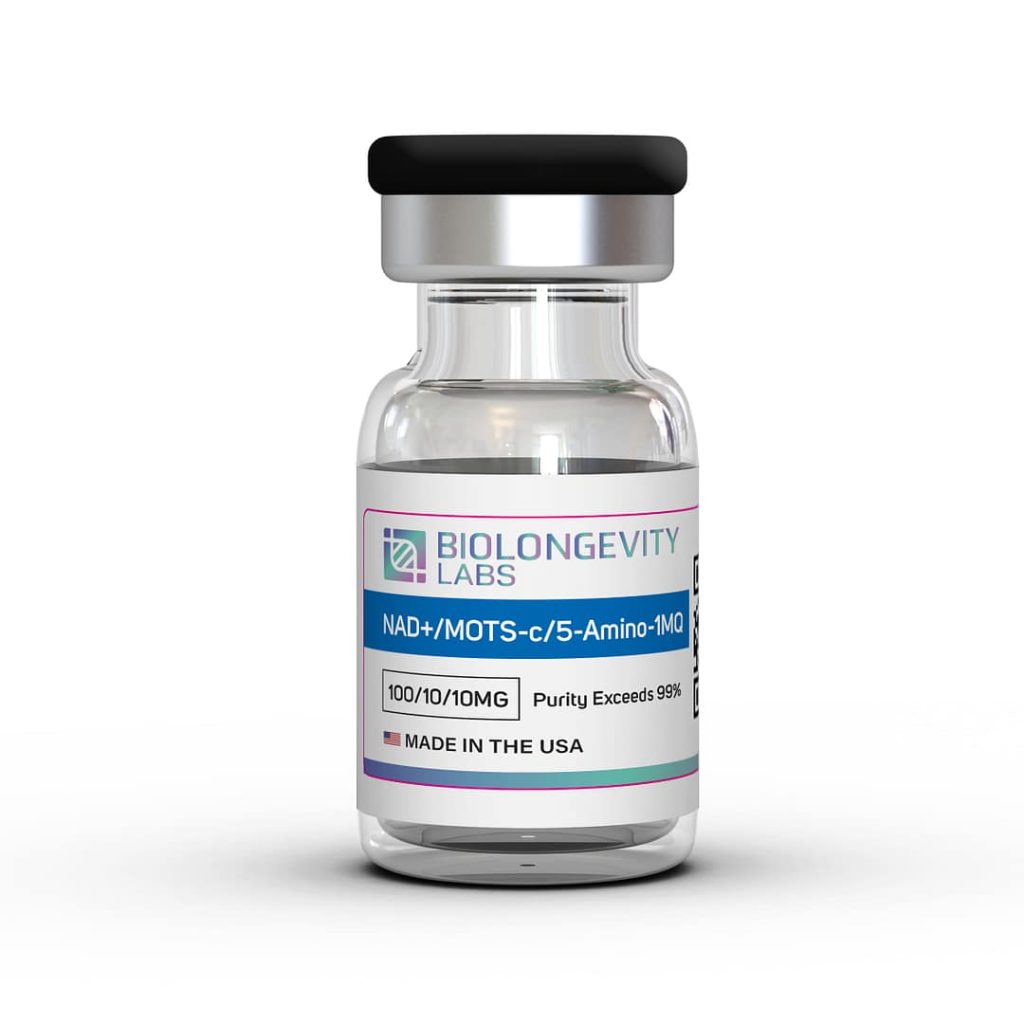
When dealing with peptide calculator, Calculate exact diluent volumes, working concentrations, and aliquot sizes for accurate peptide reconstitution. Research use only.
Streamline peptide reconstitution with our intuitive peptide calculator. Follow these four steps:
1
Peptide Mass (mg) — Enter the total mass of lyophilized peptide in your vial. This is printed on the vial label and Certificate of Analysis.
2
Diluent Volume (mL) — Specify the total volume of reconstitution solution (bacteriostatic water, saline, etc.) you plan to add to the vial.
3
Desired Dose — Enter your target dose per injection in mcg or mg. The calculator will determine exactly how many units to draw on your syringe.
4
Syringe Volume (mL) — Select the capacity of your insulin or research syringe (0.3 mL, 0.5 mL, or 1 mL) to get the IU draw measurement.
Choosing the Right Diluent
The choice of diluent significantly impacts peptide stability and solubility. Common options for research reconstitution:
Bacteriostatic Water
Contains 0.9% benzyl alcohol as a preservative. Suitable for peptides requiring multiple withdrawals from the same vial. Not recommended for benzyl alcohol-sensitive peptides.
Saline (0.9% NaCl)
Isotonic solution that mimics physiological conditions. Suitable for peptides used in biological systems or cell culture. Use within 24–48 hours after reconstitution.
Buffer Solutions
Maintains a specific pH range. Choose based on the peptide’s isoelectric point. Common options include PBS or HEPES buffer for research applications.
Acetic Acid Solution
Typically 0.1–10% acetic acid in water. Useful for peptides with low solubility at neutral pH. Often used as a first-step solvent before dilution with aqueous buffer.
Best Practices for Peptide Calculator Reconstitution
🧤
Always wear gloves when handling peptides to prevent contamination, degradation, and skin contact with active compounds.
🌡
Allow vials to reach room temperature before opening to prevent condensation that could affect peptide stability and purity.
💉
Add diluent slowly down the side of the vial — not directly onto the powder — to prevent foaming and ensure complete dissolution.
🔄
Gently swirl or rotate the vial to dissolve the peptide. Avoid vigorous shaking, which causes foaming and potential degradation.
🔬
Sterilize solutions using a 0.22 μm filter if they will be used in sterile research applications requiring microbiological cleanliness.
🧪
Aliquot reconstituted peptides into single-use volumes to avoid repeated freeze-thaw cycles that degrade peptide structure and activity.
Storing Reconstituted Peptides
Proper storage is critical to maintaining peptide integrity after reconstitution. Always label stored peptides clearly.
Duration
Temperature
Conditions
Status
1–7 days
2–8°C
Standard refrigerator
Short-term
1–4 weeks
−20°C
Standard freezer
Medium-term
Months–years
−80°C
Ultra-low temperature
Long-term
Label all stored peptides with:
Peptide name & sequenceConcentration (mg/mL or mcg/mL)Diluent usedDate of reconstitutionStorage conditionsResearcher initials
Common Peptide Calculator Reconstitution Mistakes
Avoid these errors to maintain data integrity and compound activity:
✕
Incorrect calculations leading to inaccurate concentrations
✕
Using inappropriate diluents for specific peptide types
✕
Vigorous shaking causing foam formation and degradation
✕
Neglecting temperature considerations during reconstitution
✕
Repeated freeze-thaw cycles that degrade peptide structure
✕
Ignoring peptide-specific solubility info in the COA
✕
Using contaminated diluents or non-sterile techniques
✕
Reconstituting directly in cell culture media without pre-dilution
Frequently Asked Questions
Check the product documentation and Certificate of Analysis first. Generally, hydrophilic peptides dissolve well in water or saline, while hydrophobic peptides may require initial dissolution in a small amount of organic solvent (like DMSO or acetic acid) followed by dilution with aqueous buffer. Always consider your downstream research application when selecting a diluent.
First, try gentle warming (30–40°C) and extended dissolution time. If that fails, sonication for 5–10 minutes can help. For very hydrophobic peptides, dissolving in a small volume of DMSO or 10% acetic acid before diluting with your final buffer often works well. Avoid extended sonication as it may degrade the peptide.
Use aseptic techniques during reconstitution and filter the solution through a 0.22 μm sterile filter. Using bacteriostatic water or adding a sterile preservative like benzyl alcohol (0.9%) can prevent microbial growth for solutions requiring multiple withdrawals over time.
Stability varies significantly depending on the peptide sequence, diluent, storage conditions, and concentration. As a general guideline: 1–7 days at 4°C, 1–4 weeks at −20°C, and months to years at −80°C. Peptides containing cysteine, methionine, tryptophan, or aspartic acid-glycine sequences typically have shorter shelf lives due to oxidation or cleavage.
Molecular weight allows conversion between mass and moles. Since biological activity often correlates with the number of peptide molecules (moles) rather than mass, knowing the molar concentration is essential for accurate and reproducible dosing in research applications. Refer to your COA for the exact molecular weight.
Check the Certificate of Analysis or product documentation, which specifies the exact mass or percentage purity. If unavailable, contact the manufacturer. Without accurate mass information, your concentration calculations will be approximate and data reproducibility may be compromised.
While possible for some peptides, it is generally not recommended. Cell culture media contains proteins, salts, and other components that might interact with your peptide or affect its solubility and stability. It is better to reconstitute in a simpler solution first, then dilute into media just before use.
Ready to Order Research Peptides?
99%+ purity, third-party tested, COA with every batch. 150+ research compounds in stock.
Chemical Supplier Statement: BioLongevity Labs is a chemical supplier. BioLongevity Labs is not a compounding pharmacy or chemical compounding facility as defined under 503A of the Federal Food, Drug, and Cosmetic Act. BioLongevity Labs is not an outsourcing facility as defined under 503B of the Federal Food, Drug, and Cosmetic Act.
Research Use Only (RUO): Products sold on this site are intended solely for basic research, pharmaceutical research, or the development of new tests — not for diagnosing a disease or condition in any patient. These products are not drugs or medications and are not intended for human or animal use. Misusing these products is illegal.
All information on this website is provided for scientific and educational purposes only. Customers are responsible for understanding and complying with all applicable laws and regulations in their jurisdiction.