
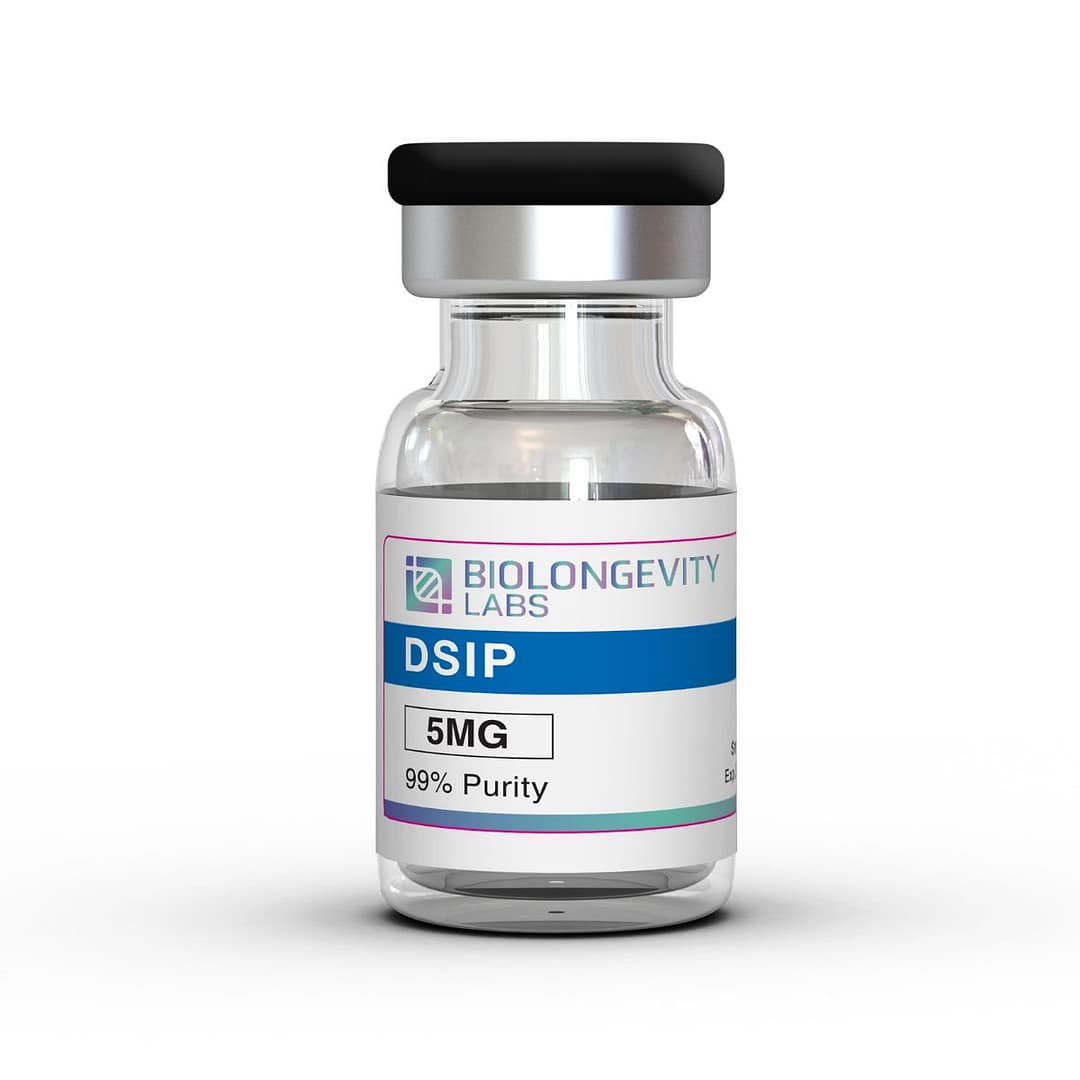
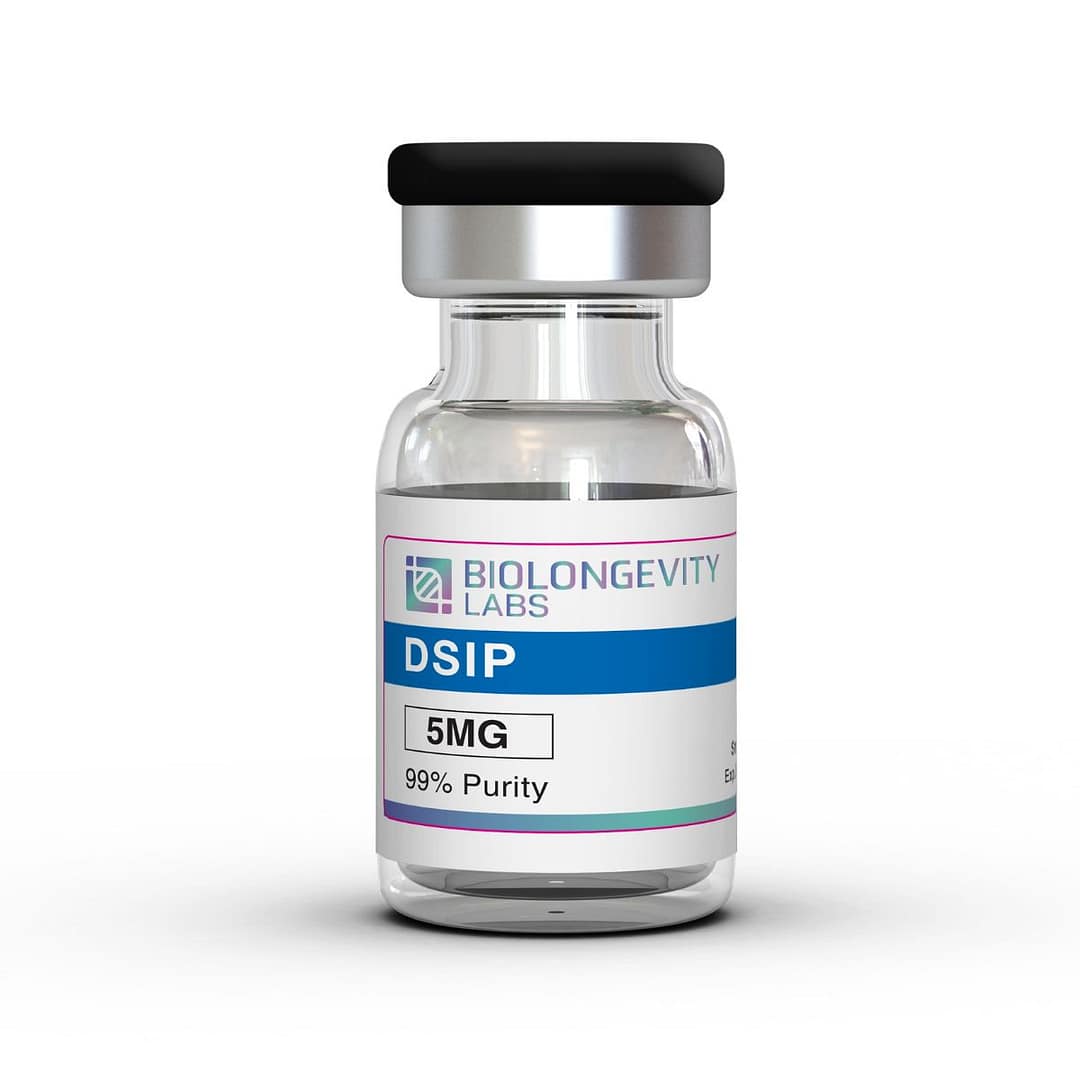
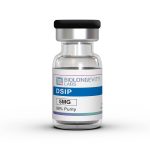
DSIP (Delta Sleep Inducing Peptide) (5mg)
$55.97
Delta Sleep Inducing Peptide (DSIP) is a naturally occurring nonapeptide known for its role in promoting sleep, particularly delta sleep, across various species including rabbits, rats, and mice. It is characterized by its ability to enhance delta and spindle electroencephalogram (EEG) patterns, which are associated with deep sleep stages.
Delta Sleep Inducing Peptide (DSIP)
Delta sleep inducing peptide (DSIP) is a natural neuropeptide consisting of nine amino acids that was first isolated from rabbits in the 1970s. Named for its ability to promote slow-wave (delta) sleep in experimental animals, DSIP has been studied for its roles in sleep regulation, stress response, and pain modulation.
Despite its name, research delta Sleep Inducing Peptide has broader functions beyond sleep induction, potentially affecting neuroendocrine regulation and immune function. It has been investigated as a potential therapeutic for insomnia, depression, and pain conditions. DSIP’s precise physiological role and mechanism of action continue to be subjects of ongoing research.
Peptide Information
| Property | Value |
|---|---|
| Peptide Sequence | Trp-Ala-Gly-Gly-Asp-Ala-Ser-Gly-Glu |
| Molecular Formula | C35H48N10O15 |
| Molecular Weight | 848.8 g/mol |
| CAS Number | 62568-57-4 |
| PubChem CID | 68816 |
| Synonyms | Emideltide, 62568-57-4, DELTA SLEEP INDUCING PEPTIDE, DSIP nonapeptide |
Key Research Findings
| Domain | Proposed Mechanism & Research Insights |
| Sleep Regulation |
• Mechanisms: Modulates GABA (enhances inhibition) and NMDA (suppresses glutamate-driven excitation) receptors.
• Pineal & Opioid Interaction: Engages $\alpha_1$-adrenergic and opioid receptors to regulate sleep latency and architecture.
• Efficacy: Normalizes disrupted sleep cycles and reduces sleep onset latency in chronic insomnia models, though findings across animal studies show variable results (ranging from temporary arousal to Slow Wave Sleep induction). |
| Stress Response |
• Modulates key stress biomarkers in animal models: lowers corticosterone quickly and alters beta-endorphin (initial drop followed by a sharp increase).
• Regulates Substance P, signaling potential stress-adaptation and pain-mitigating effects via the opioidergic system. |
| Depression & HPA Axis |
• Correlated with lowered levels in cerebrospinal fluid (CSF) in depression models.
• Prevents hypoxic disruption of monoamine oxidase type A (MAO-A) and serotonin.
• Interacts with the Hypothalamic-Pituitary-Adrenal (HPA) axis to help regulate mood and stress-related sleep disorders. |
| Metabolism & Tissue Protection |
• Anti-Hypoxic Action: Maintains efficient oxidative phosphorylation during low-oxygen conditions (e.g., stroke or heart attack), bypassing harmful anaerobic shifts.
• Antioxidant Effect: Helps prevent free radical damage and protects tissues during oxygen deprivation until blood flow resumes. |
| Addiction & Withdrawal |
• Highly effective in treating withdrawal symptoms in animal models during detoxification.
• Achieved 97% recovery in ethanol and 87% recovery in opiate withdrawal models (opiates required longer exposure). |
| Oncology & Cytoprotection |
• Chronic intermittent dosing in mice resulted in a 2.6-fold reduction in tumor development and a 22.6% drop in bone marrow chromosomal defects.
• Postulated to work indirectly via sleep-enhanced immune surveillance. |
| Muscle Growth & Systemic Roles |
• Myostatin/Somatostatin Inhibition: Suppresses somatostatin, potentially promoting skeletal muscle hypertrophy and hyperplasia.
• Pre-Sleep Preparation: Regulates blood pressure, heart rate, thermogenesis, and the lymphokine system, suggesting it prepares the body physiologically prior to sleep onset. |
What to Expect When Using DSIP in Research
🧠 Week 1–2:
- Some subjects report feeling calmer at bedtime
- Minimal to modest effects on sleep onset
💤 Week 3–6:
- Improved sleep continuity
- Deeper sleep, more vivid dreams, improved energy in AM
💪 Week 7–10:
- Enhanced recovery from workouts
- Subjective mood and resilience improvements
- Better morning hormonal profile (e.g., higher morning GH)
Key Takeaway: Delta Sleep Inducing Peptide DSIP is not merely a “sleep peptide.” It functions as an overarching homeostatic regulator that prepares the body for rest, mitigates physiological stress, protects cells from oxidative and hypoxic damage, and manages central neurochemical balances.
Related products
5-Amino-1MQ (10mg)
BPC 157 Peptide (10mg)
Follistatin (FLGR242) (10mg)
GLOW Peptide (GHK-Cu, BPC-157, TB-500) (70mg)
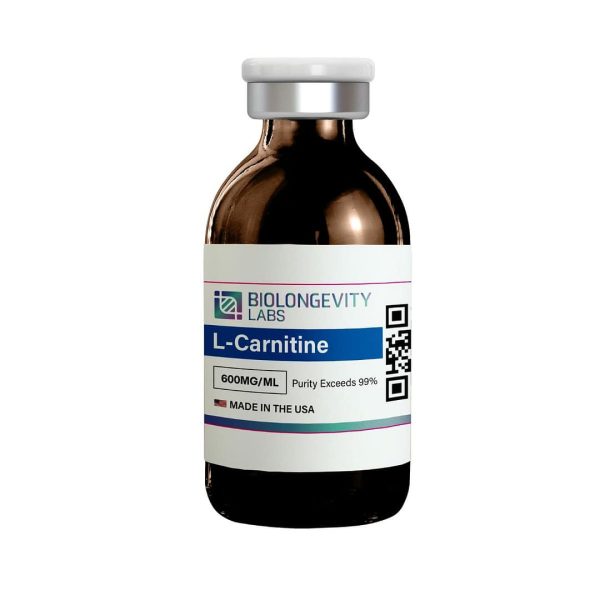
L-Carnitine (600mg/mL)
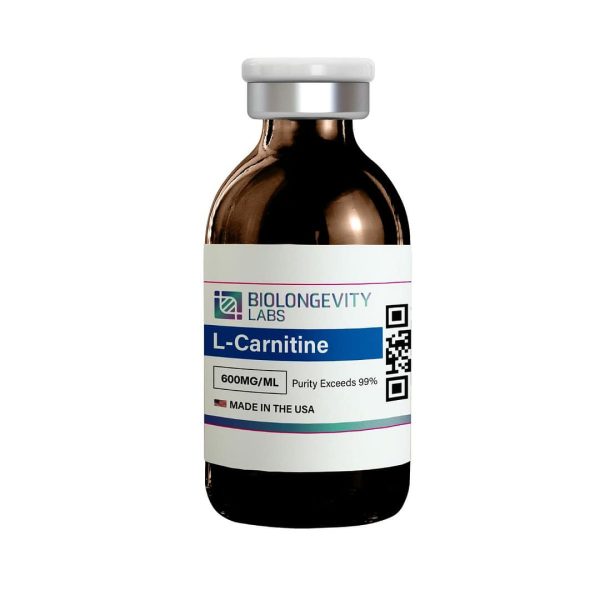
L-Carnitine is a naturally occurring compound involved in fatty acid metabolism. It functions as a transporter of long-chain fatty acids into the mitochondria, enabling β-oxidation for energy production. This metabolic pathway supports cellular energy balance and reduces the risk of toxic fatty acid buildup within cells.
Note: Each vial is reconstituted with 20ML of BAC water.
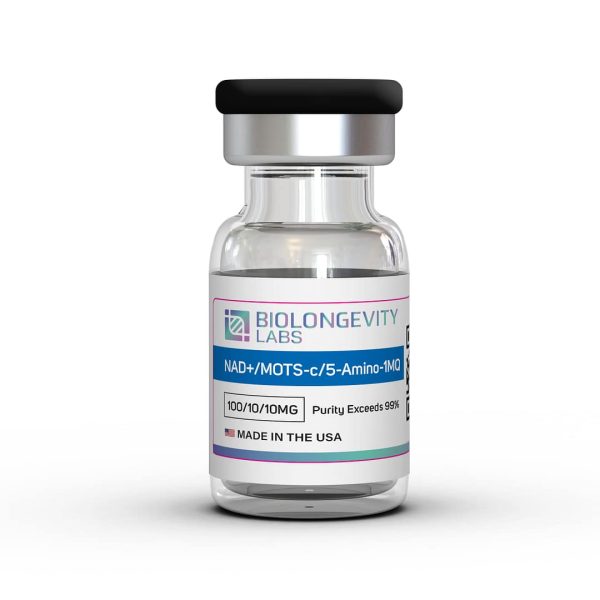
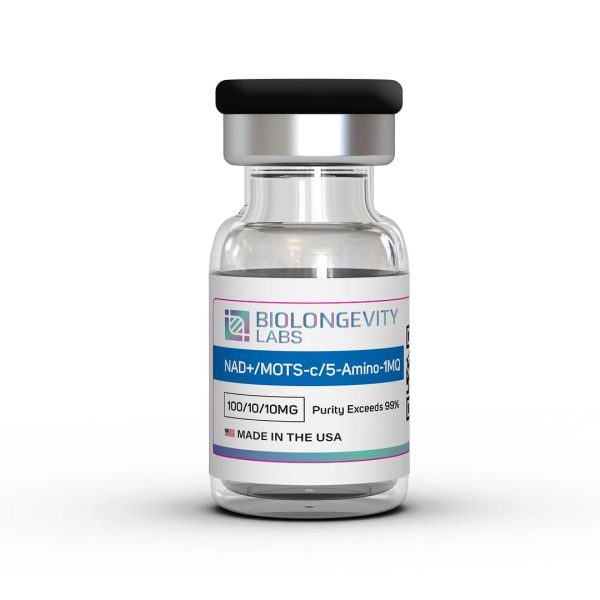
NAD+ / MOTS-c / 5-Amino-1MQ Blend – 120mg (100mg / 10mg / 10mg)
The BioLongevity Labs NAD+/MOTS-c/5-Amino-1MQ Blend unites three distinct compounds that converge on cellular energy, mitochondrial function, and metabolic regulation. Together, their mechanisms are designed to:
- Enhance mitochondrial and cellular energy balance.
- Improve metabolic health.
- Support cognitive and longevity research.