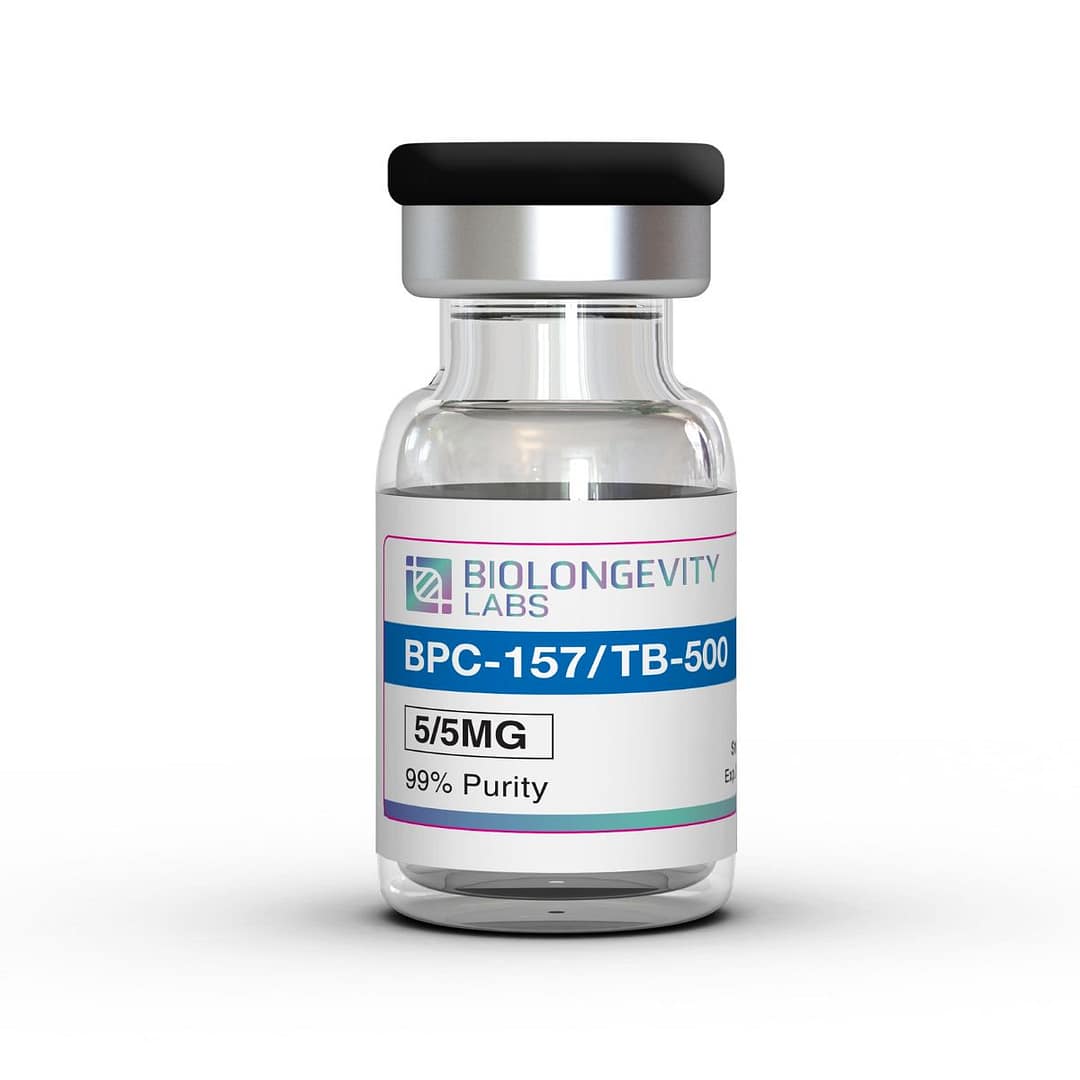
BPC 157 and TB 500 Blend (10mg)
$50.00
BPC 157 and TB 500 are two of the most popular synthetic peptides used in regenerative medicine. While they are frequently paired together (“stacked”) to accelerate injury recovery
BPC 157 and TB 500 Blend
BPC 157 and TB 500 are two of the most popular synthetic peptides used in regenerative medicine. While they are frequently paired together (“stacked”) to accelerate injury recovery, they are derived from different sources and work through entirely distinct pathways in the body.
Here is a breakdown of how BPC 157 and TB 500 each works, their benefits, and why they are so often used together.
1. BPC-157 (Body Protective Compound-157)
BPC-157 is a synthetic 15-amino-acid peptide derived from a naturally occurring protective protein found in human gastric (stomach) juice.
The Mechanisms (How it Works)
- Both BPC 157 and TB 500 Blend: Angiogenesis (New Blood Vessel Growth): BPC-157 upregulates VEGF (Vascular Endothelial Growth Factor). By building new micro-blood vessels, it delivers fresh oxygen and nutrients to damaged, poorly vascularized tissues (like tendons and ligaments) that normally take a long time to heal.
What is BPC 157 used for
-
Accelerated Tendon and Ligament Repair: Both BPC 157 and TB 500 drastically speeds up the healing of Achilles tendons, MCL tears, and other connective tissue injuries.
-
Gut Health and Mucosal Repair: peptides for gut health, True to its gastric origins, BPC-157 helps heal the digestive tract. It is heavily studied for repairing gastric ulcers, reducing damage from NSAIDs (like ibuprofen or naproxen), and combating “leaky gut” by tightening intestinal cell junctions.
-
Systemic Anti-Inflammatory Action: Rather than just masking pain or suppressing the immune system like NSAIDs, BPC-157 helps the body actively resolve inflammation while rebuilding tissue.
Quick BPC-157 Dosage Reference
| Route | Typical Daily Range | Frequency | Duration | Common Use |
| Subcutaneous Injection | 250–500 µg | 1–2× daily | 4–6 weeks | Muscle, tendon, joint recovery |
| Oral / Sublingual | 200–500 µg | 1–2× daily | 6–8 weeks | Gut healing, inflammation |
| Intramuscular Injection | 250–500 µg | 1× daily | 4–6 weeks | Localized injury repair |
bpc 157 before and after
In online fitness and biohacking communities, users report that after 2 to 6 weeks of using BPC-157, persistent pain from soft-tissue injuries (like tendonitis or strains) gives way to reduced pain and better mobility, chronic gut issues (like bloating and reflux) show reduced inflammation, and post-injury swelling yields faster overall healing and shorter downtime.
BPC 157 side effects and safety
Commonly Reported Side Effects (User Reports & Case Studies)
While BPC-157 generally exhibits a low acute toxicity profile in animal models, human users frequently report mild to moderate acute responses:
-
Injection Site Reactions: Redness, mild swelling, itching, or soreness at the subcutaneous site.
-
Gastrointestinal / Systemic: Nausea, mild abdominal discomfort, or changes in bowel movements (more common with high oral doses).
-
Neurological / Vasoactive: Transient dizziness, lightheadedness, mild headaches, or temporary fatigue shortly after administration.
-
Blood Pressure Fluctuations: Mild changes in blood pressure due to BPC-157’s interaction with the nitric oxide (NO) pathway.
2. TB-500 (Thymosin Beta-4 Fragment)
TB-500 is a short synthetic fragment of Thymosin Beta-4 (TB-4), a naturally occurring peptide produced by the thymus gland and found in high concentrations in blood platelets and wound fluid.
The Mechanisms (How it Works)
-
Actin Regulation (Cell Mobility): This is TB-500’s main superpower. It binds to actin, a major structural protein responsible for cell movement and architecture. By regulating actin polymerization, TB-500 allows repair cells to physically migrate long distances through the body to reach the site of an injury.
TB 500 dosage and reconstitution protocol
-
1. Reconstitution Math (Mixing)
TB-500 is typically sold as a lyophilized (freeze-dried) powder in 2 mg, 5 mg, or 10 mg vials. It must be mixed with Bacteriostatic Water (BAC Water) before injection.
-
Standard Mixing Ratio Example (10 mg Vial):
-
Add 2.0 mL of BAC Water into a 10 mg TB-500 vial.
-
-
-
2. Dosing Protocols (Loading vs. Maintenance)
BPC-157 and TB-500 is typically dosed in milligrams 1–2 times per week because of its longer half-life and systemic distribution.
How does TB 500 work for tendon repair: Because muscle tissue relies heavily on cell migration and fiber remodeling, TB-500 is highly effective at healing muscle tears, strains, and severe crush injuries.
BPC-157 Capsules vs Injections: What’s the Difference?
BPC-157 capsules are easier to take and are often discussed for digestive-related support. Injections bypass digestion and may allow for greater systemic exposure, making them the more common route for localized tissue and recovery goals. Neither form is FDA approved. The right delivery method depends on your symptoms, health history, treatment goals, and provider guidance — not personal preference alone.
BPC 157 vs TB 500 Differences
| Feature | BPC-157 | TB-500 |
| Origin | Gastric (Stomach) Juice | Thymus Gland (Thymosin Beta-4) |
| Primary Strength | Tendons, Ligaments, Gut lining | Skeletal Muscle, Flexibility, Tissue migration |
| Primary Mechanism | VEGF upregulation & Collagen synthesis | Actin regulation & Cell migration |
| Scope of Action | Excellent local repair | High whole-body systemic reach |
Related products
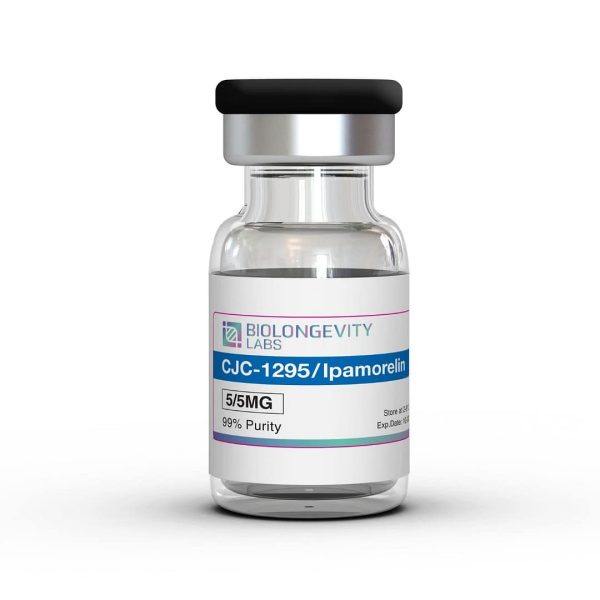
CJC 1295 Ipamorelin (10mg)
DSIP (Delta Sleep Inducing Peptide) (5mg)
Delta Sleep Inducing Peptide (DSIP) is a naturally occurring nonapeptide known for its role in promoting sleep, particularly delta sleep, across various species including rabbits, rats, and mice. It is characterized by its ability to enhance delta and spindle electroencephalogram (EEG) patterns, which are associated with deep sleep stages.
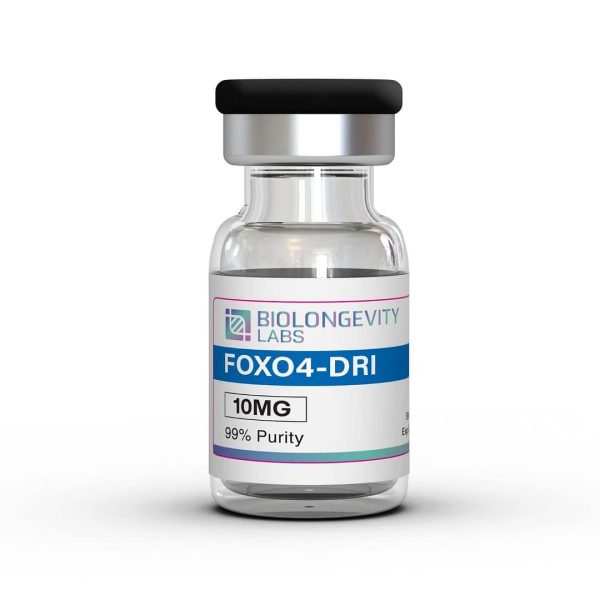
FOXO4-DRI (10 mg)
FOXO4-DRI is a synthetic peptide designed to selectively induce apoptosis in senescent cells, which are cells that have stopped dividing but remain metabolically active. These cells contribute to aging and various age-related diseases through their pro-inflammatory secretions, known as the senescence-associated secretory phenotype (SASP).
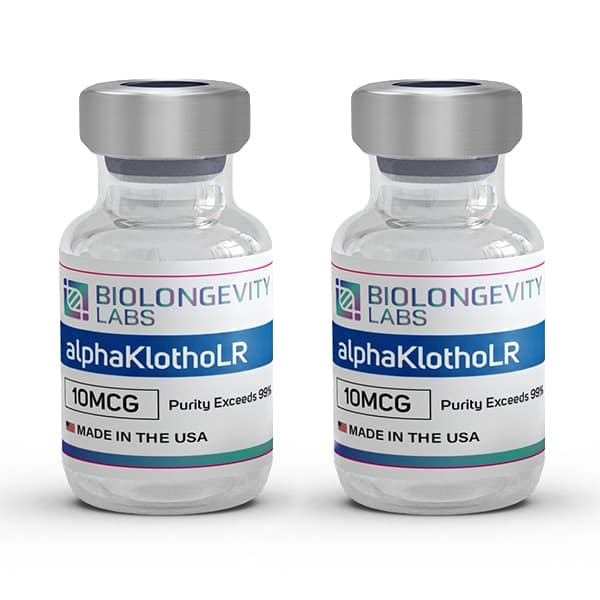
Klotho (alphaKlothoLR) (20mcg)
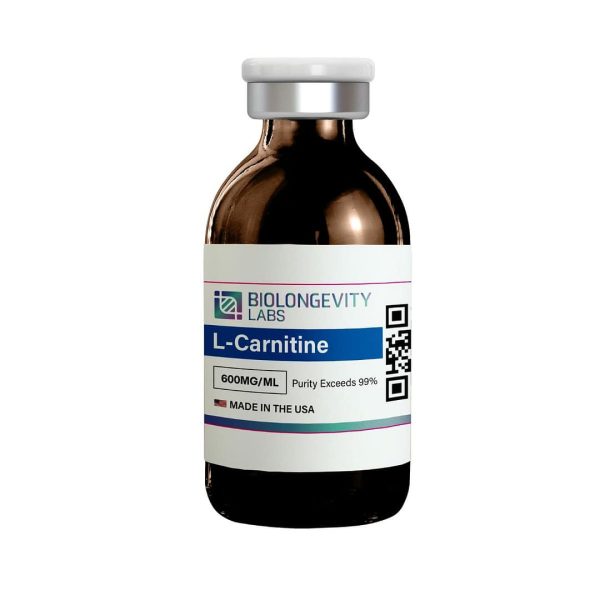
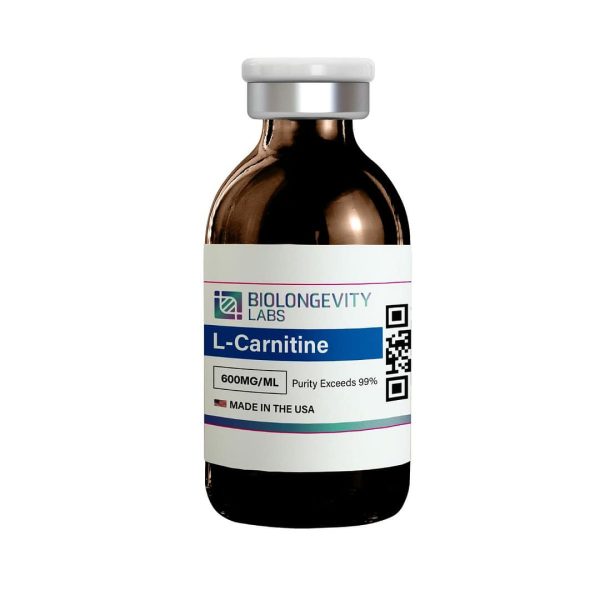
L-Carnitine (600mg/mL)
L-Carnitine is a naturally occurring compound involved in fatty acid metabolism. It functions as a transporter of long-chain fatty acids into the mitochondria, enabling β-oxidation for energy production. This metabolic pathway supports cellular energy balance and reduces the risk of toxic fatty acid buildup within cells.
Note: Each vial is reconstituted with 20ML of BAC water.
PT 141 Peptide (5mg)