
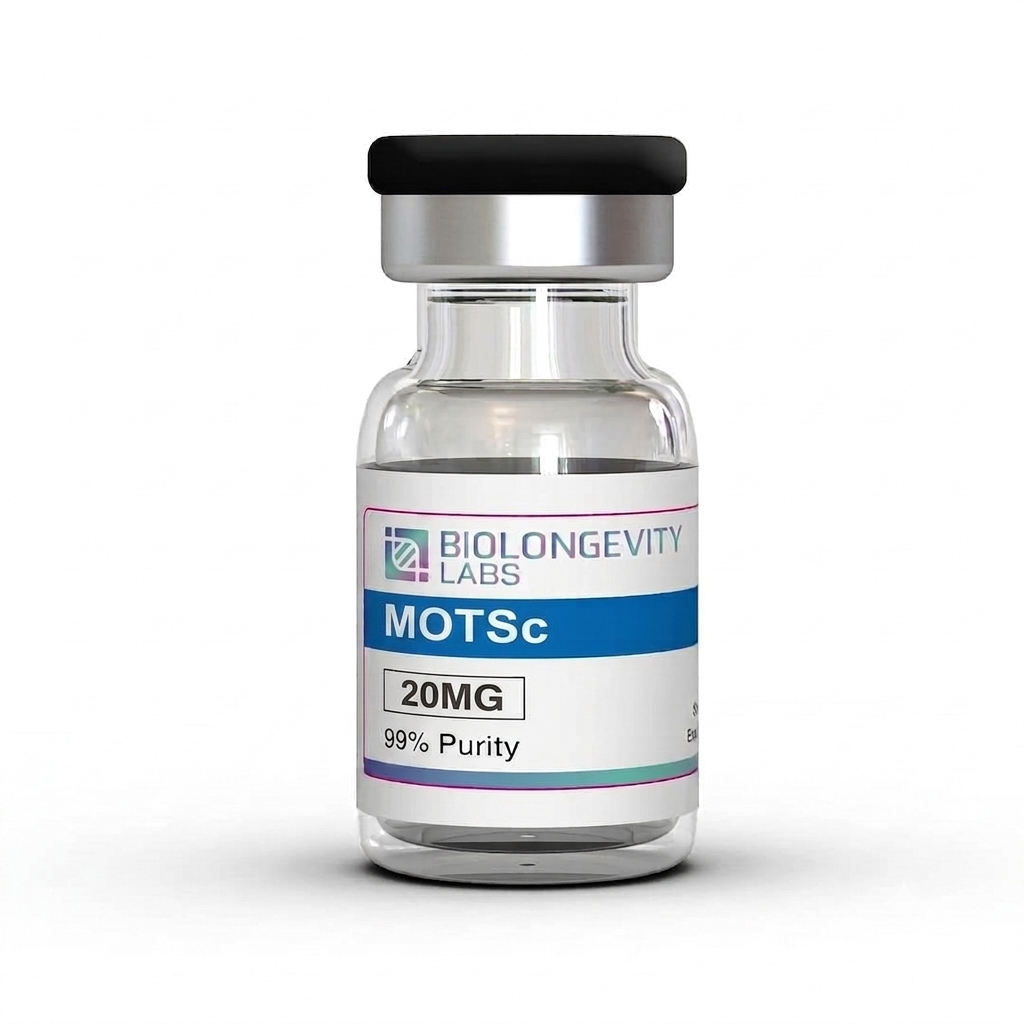
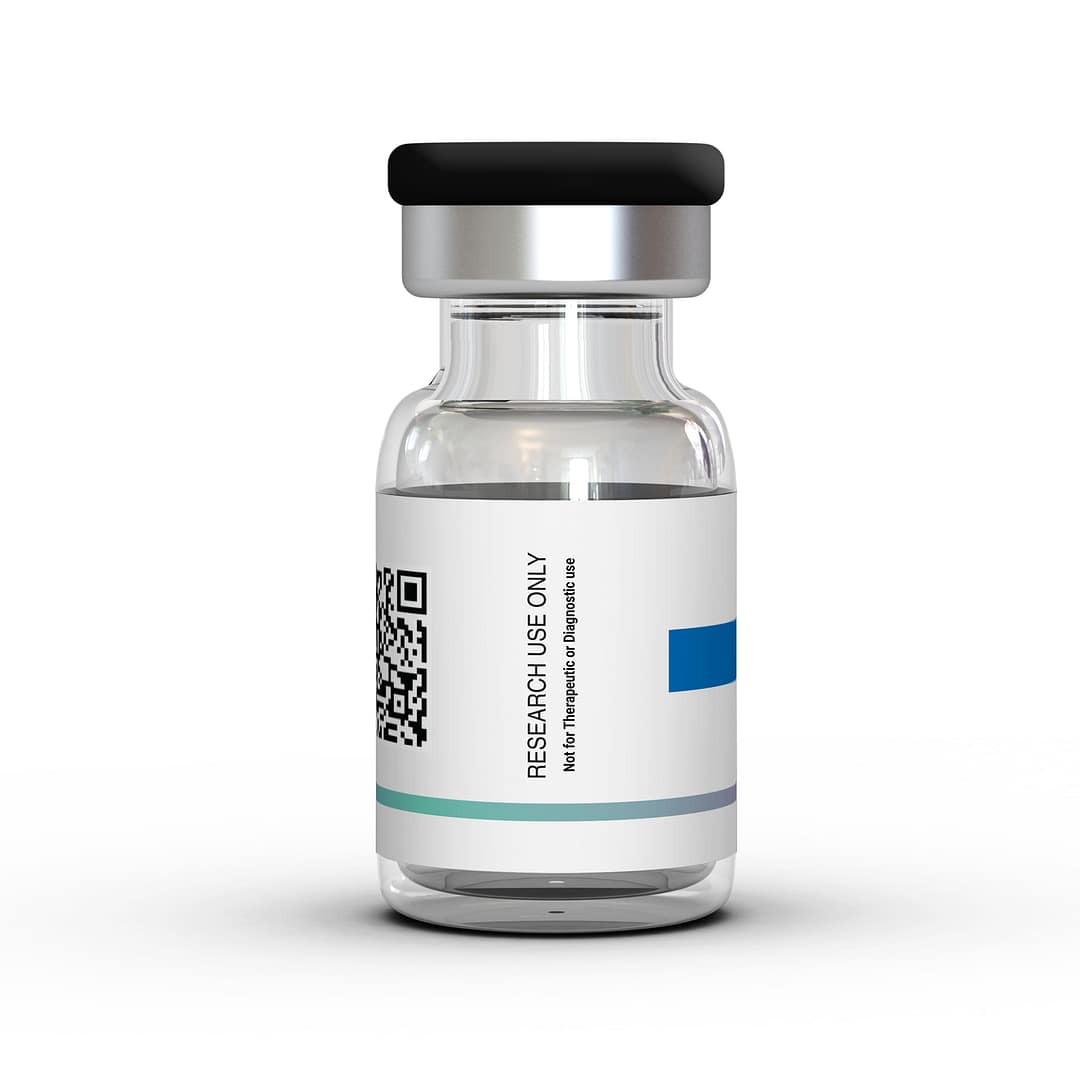
MOTS-C Peptide (20mg)
$60.00
MOTS-C PEPTIDE stands for Mitochondrial Open Reading Frame of the 12S rRNA-c. Regulates Metabolism, Promotes Longevity & Mitochondrial Health.


MOTS-c peptide is a naturally occurring protein hormone and experimental therapeutic peptide composed of 16 amino acids. Its name is short for “mitochondrial ORF of the 12S rRNA type-C,” which refers to the peptide’s origin, as it’s derived from lengths of DNA called short open reading frames (ORFs) found in the 12S rRNA region of mitochondrial DNA.1 2
Seeing as MOTS-c’s mitochondrial origin is pivotal to understanding what the peptide can do for you and how it works, we think now’s a good time for a mitochondria primer
Unlike most peptides and proteins, which are encoded by the DNA in a cell’s nucleus, MOTS-c peptide is encoded by the DNA inside your mitochondria (the powerhouses of the cell). It is naturally produced in the body in response to physical exercise and metabolic stress, earning it the nickname of an “exercise mimetic” because it chemically mimics the cellular adaptations of a workout.
How does MOTS-c work?
Historically, scientists thought mitochondria only generated energy. The discovery of MOTS-C Peptide in 2015 helped prove that mitochondria actually “talk” to the rest of the cell.
When your body experiences stress or energy depletion (like during intense exercise), your mitochondria release MOTS-c. The peptide travels into the cell’s nucleus and activates the AMPK pathway — the body’s central energy sensor. This activation shifts the cell into a state of high metabolic efficiency, turning on genes that protect against stress and signaling the cell to prioritize fat burning and glucose uptake.
Benefits of MOTS-C Peptide
While human clinical trials are still ongoing, robust preclinical research (and emerging human data) points to several powerful systemic benefits:
-
Insulin Sensitivity & Blood Sugar: MOTS C Peptide acts similarly to first-line diabetes medications (like metformin) by improving how efficiently your cells absorb and use glucose.
-
Fat Oxidation (Weight Management): It encourages the body to burn fatty acids for fuel rather than storing them. In animal models on high-fat diets, MOTS-c peptide effectively prevented the onset of obesity.
-
Enhanced Physical Performance: Because it acts as an exercise mimetic, it improves exercise capacity, muscle mass, and endurance. It helps skeletal muscles meet high energy demands, which is why it has been studied for age-related muscle wasting.
-
Longevity & Anti-Aging: By reducing oxidative stress, lowering systemic inflammation, and supporting mitochondrial health, it promotes cellular resilience against age-related metabolic decline.
-
Bone Health: It stimulates osteoblasts (the cells that build new bone) while inhibiting the cells that break bone down, making it a target of interest for treating osteoporosis.
-
Fertility: Emerging research suggests it helps balance hormones and combats oxidative stress in ovarian and testicular tissues, creating a better metabolic environment for reproductive health.
mots c dosing protocol
| Parameter | Off-Label Clinical / Research Protocol |
| Administration Route | Subcutaneous (SubQ) injection (typically into abdominal fat) |
| Weekly Target | 5 mg to 10 mg total per week (athletic protocols sometimes go up to 15 mg/week) |
| Schedule Options |
• Split-Dose: 2.5 mg to 5 mg per injection, 2–3x per week (e.g., Mon/Wed/Fri)
• Daily: 1 mg to 2 mg per day, 5 days on / 2 days off |
| Cycle Duration | 4 to 6 weeks ON, followed by 2 to 4 weeks OFF |
| Best Timing | Morning or early afternoon (to prevent evening energy/insomnia issues) |
Because MOTS-c peptide (a mitochondrial-derived peptide being studied for its metabolic and exercise-mimicking effects) remains an experimental compound without FDA approval, comprehensive human clinical trial safety data is limited.
mots c side effects
-
Injection Site Reactions (Most Common): Persistent redness, swelling, itching, or localized irritation at the subcutaneous injection site.
-
Blood Sugar Fluctuations (Hypoglycemia): Because MOTS-c increases glucose uptake and insulin sensitivity, it can cause dizziness, lightheadedness, shakiness, or sweating—especially if taken while fasting, after intense exercise, or with blood-sugar-lowering medications.
-
Temporary Fatigue or Fluctuations: A transient drop in energy or mild lethargy during initial doses as cellular metabolism adjusts.
-
Heart Palpitations: Reports of temporary spikes in heart rate or cardiac awareness following administration.
-
Headaches & Mild Fever: Mild tension headaches or flushing/low-grade fever responses shortly after injection.
-
Digestive Discomfort: Occasional mild nausea, bloating, or stomach upset.
Related products
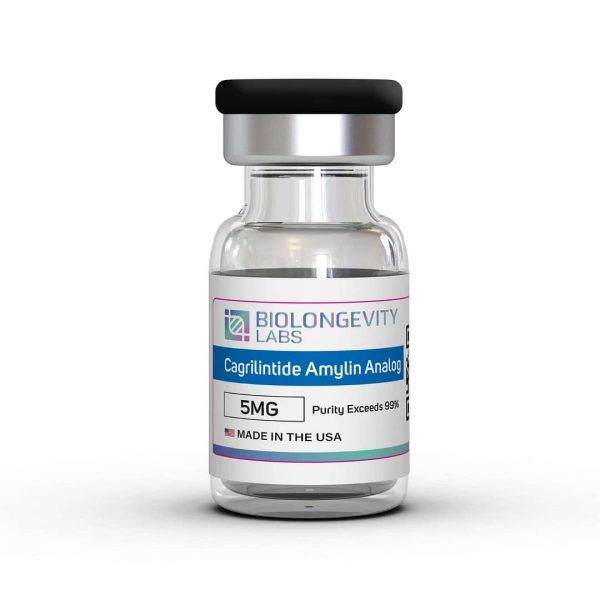
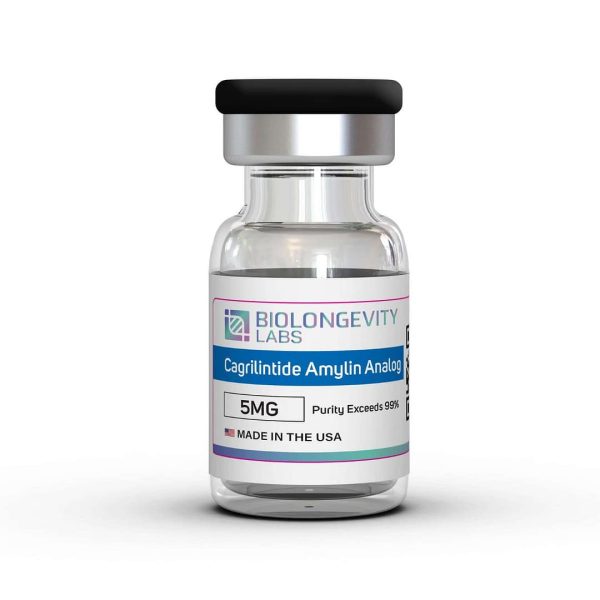
Cagrilintide (Amylin Analog) (5mg)
Cagrilintide is a novel long-acting amylin analogue featuring N-terminal lipidation that extends its half-life by binding to albumin. This synthetic peptide mimics and enhances natural amylin’s effects, simultaneously targeting multiple metabolic and appetite regulation pathways in both homeostatic and hedonic systems.
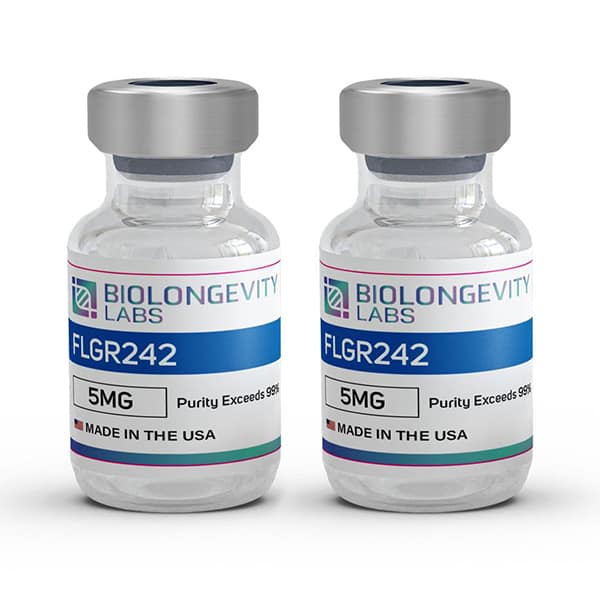
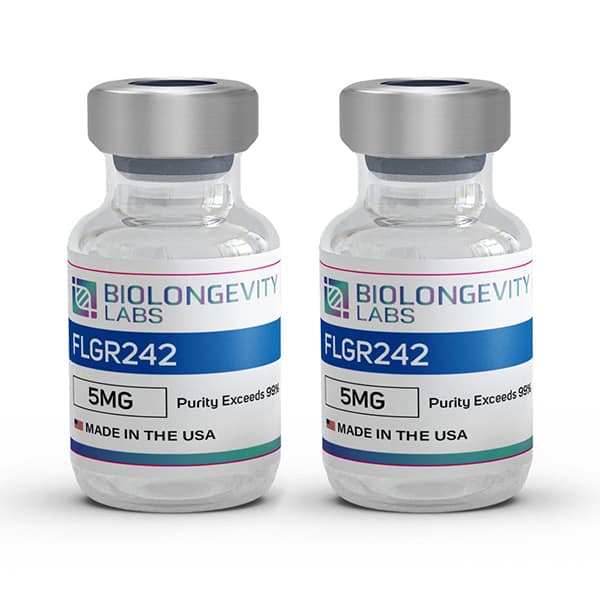
Follistatin (FLGR242) (10mg)
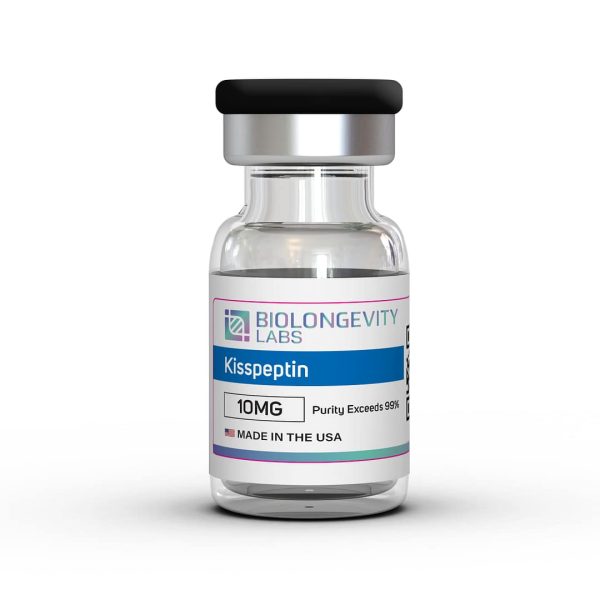
Kisspeptin-10 (10mg)
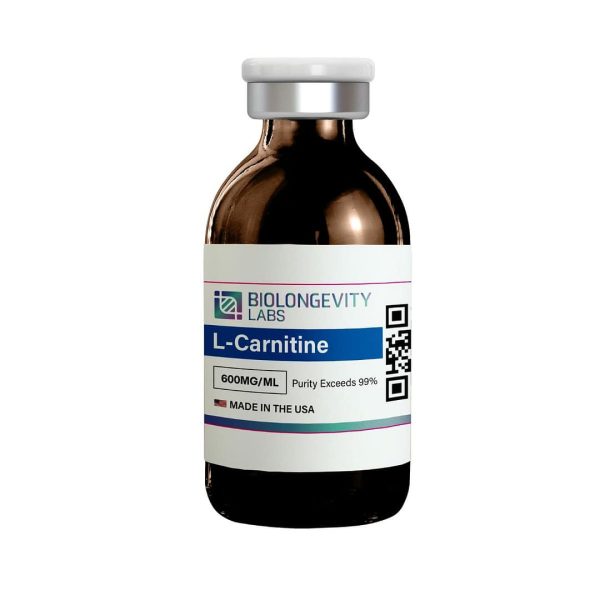
L-Carnitine (600mg/mL)
L-Carnitine is a naturally occurring compound involved in fatty acid metabolism. It functions as a transporter of long-chain fatty acids into the mitochondria, enabling β-oxidation for energy production. This metabolic pathway supports cellular energy balance and reduces the risk of toxic fatty acid buildup within cells.
Note: Each vial is reconstituted with 20ML of BAC water.
PNC-27 (10mg)


Reviews
Clear filtersThere are no reviews yet.