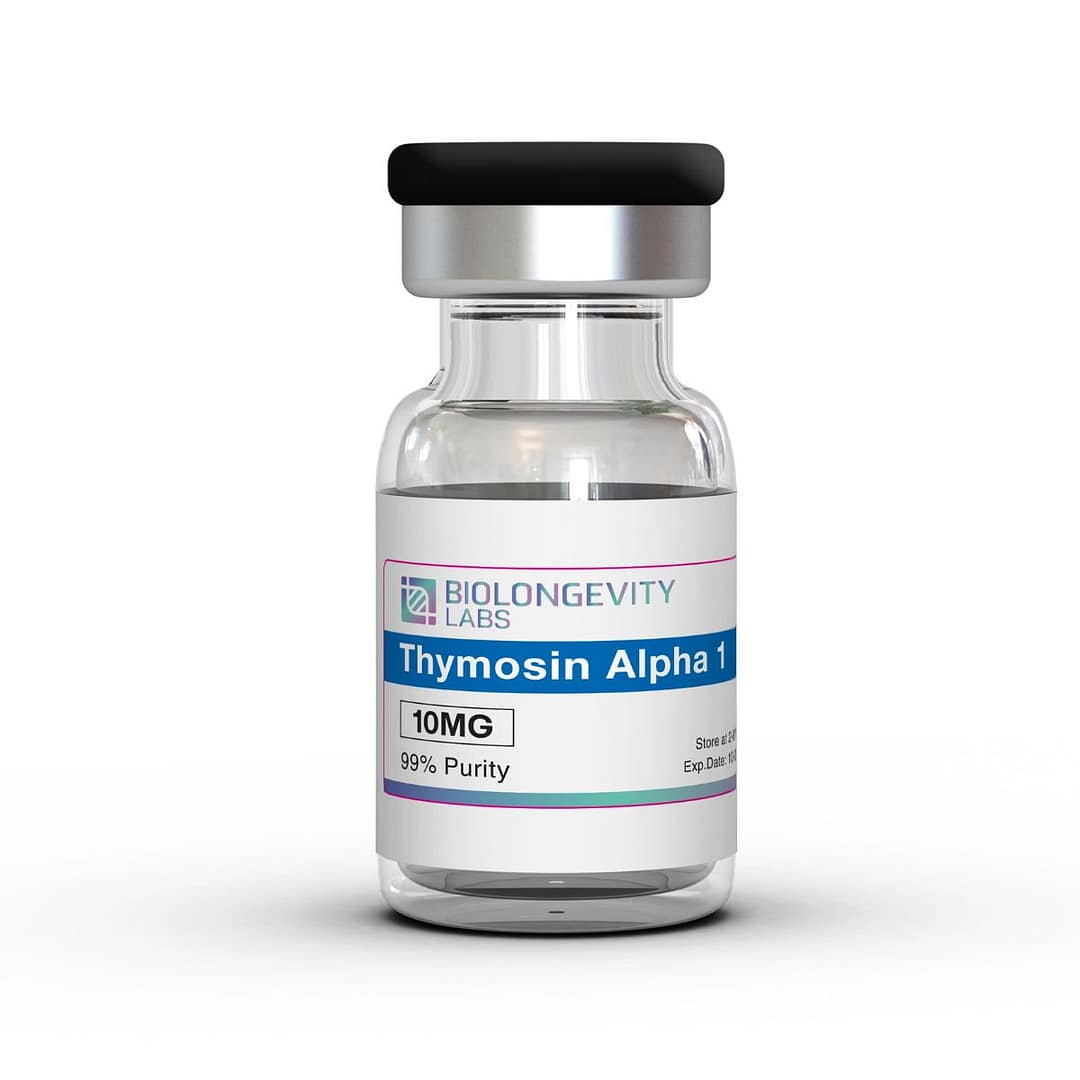
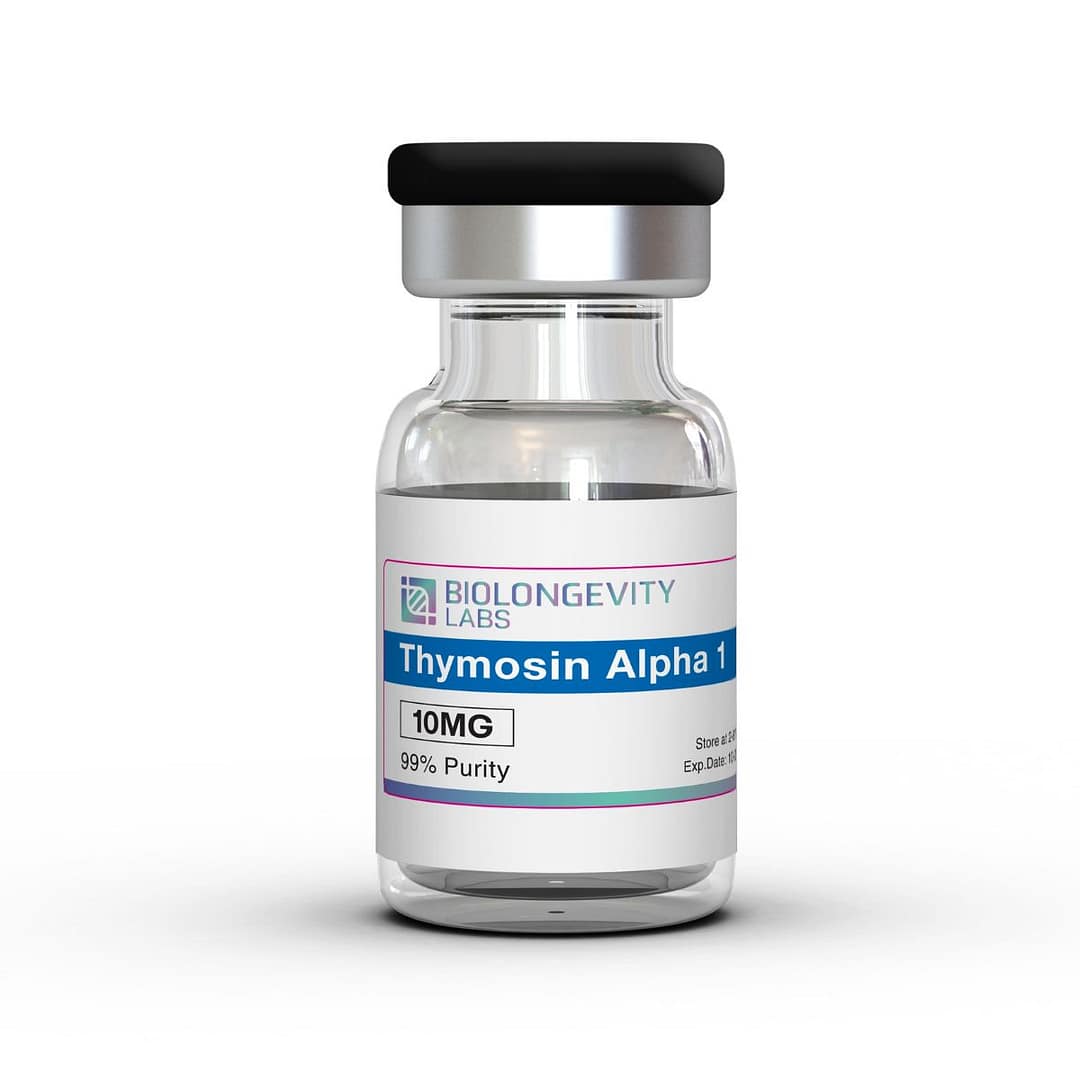
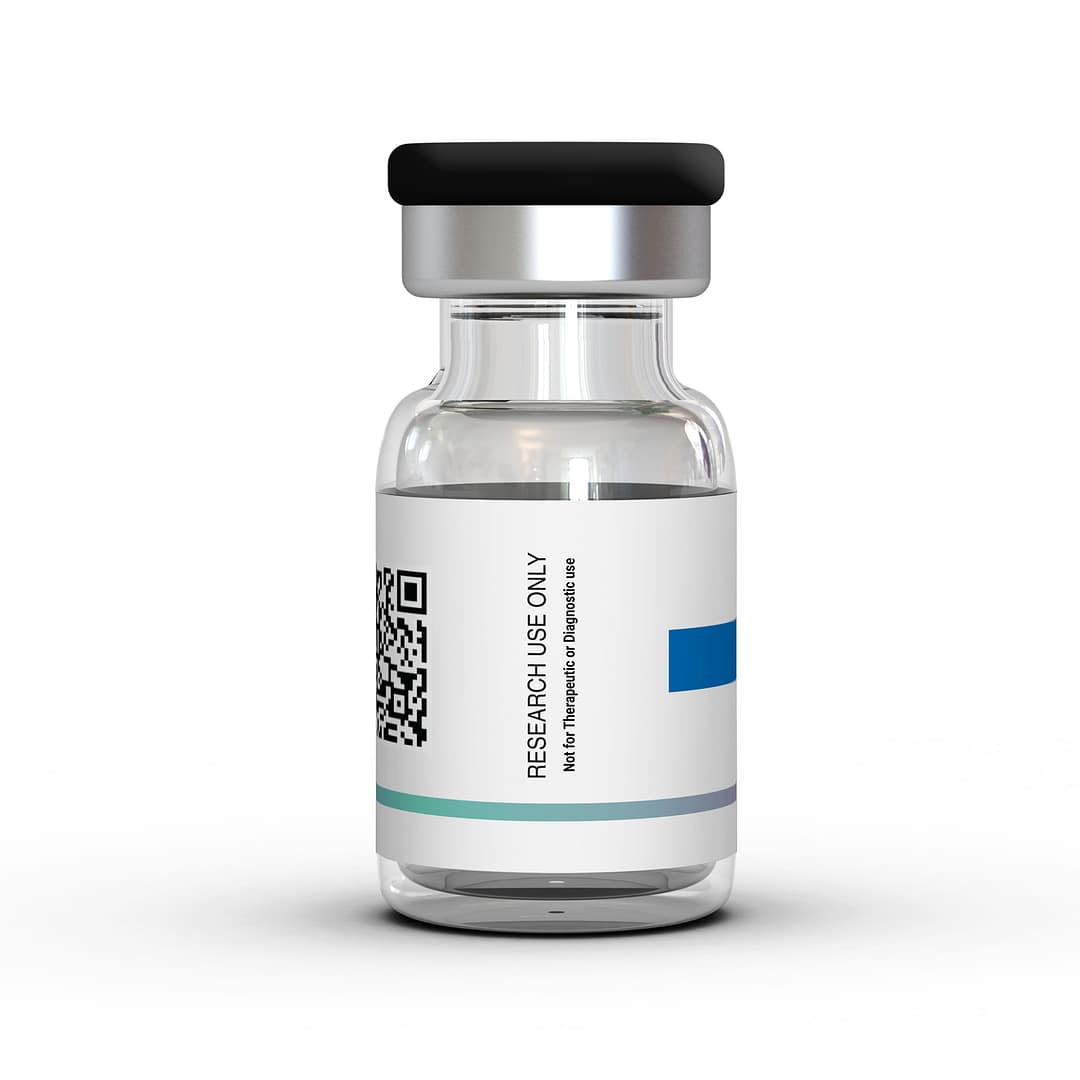
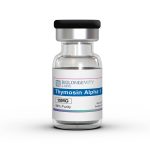
Thymosin Alpha 1 (10mg)
$40.00
Thymosin Alpha 1 (Tα1) is a 28-amino acid peptide naturally produced by the thymus gland. It plays a central role in modulating adaptive and innate immune responses, particularly by stimulating T-cell maturation and immune surveillance.
Thymosin Alpha 1
Thymosin Alpha 1 (Tα1) is a naturally occurring peptide fragment consisting of 28 amino acids. It is produced by the thymus gland, which is the command center of our immune system.
Think of Tα1 as a master conductor for your body’s natural defenses. It doesn’t just blindly boost the immune system; it modulates it, ramping it up when you’re fighting an invader and helping to quiet it down to prevent autoimmune damage.
Key Benefits of Thymosin Alpha 1
Because of its unique ability to restore and optimize immune function, Tα1 has been widely studied and used for a variety of health conditions:
1. Enhances T-Cell Production and Function
T-cells are the frontline soldiers of your immune system. Tα1 promotes the maturation of these cells, helping them recognize and destroy pathogens more effectively. It also stimulates the production of natural killer (NK) cells, which target virus-infected cells and tumors.
2. Powerful Antiviral Properties
Tα1 is frequently used as an adjunctive treatment for chronic viral infections. By boosting the body’s cellular immune response, it helps suppress viral replication. It has been heavily researched and used for:
-
Hepatitis B and C
-
Severe respiratory viral infections
-
HIV/AIDS
3. Fights Chronic Infections and Lyme Disease
For individuals suffering from chronic, hidden infections like Lyme disease, mold toxicity, or Epstein-Barr Virus (EBV), the immune system often becomes exhausted. Tα1 helps “wake up” a sluggish immune system to help the body clear these persistent pathogens.
4. Immune Regulation (Modulation)
Unlike some immune boosters that can trigger inflammation, Tα1 is an immunomodulator. This means if your immune system is overactive (as seen in autoimmune diseases or “cytokine storms”), it helps bring it back to a balanced state (homeostasis) by regulating pro-inflammatory and anti-inflammatory cytokines.
5. Supports Cancer Therapy
In several countries, synthetic Tα1 (known commercially as Zadaxin) is approved to complement chemotherapy and radiation. It helps protect the immune system from being entirely wiped out by these aggressive treatments, reduces side effects, and improves the overall tumor-fighting response.
6. Boosts Vaccine Effectiveness
As we age, our thymus gland shrinks (a process called thymic involution), causing our immune response to weaken. Tα1 has been shown to improve the efficacy of vaccines—such as the influenza vaccine—in elderly or immunocompromised patients by ensuring the body mounts a strong antibody response.
How It Is Administered
Because it is a peptide, Thymosin Alpha 1 is broken down by the digestive tract if taken orally. Therefore, it is almost exclusively administered via subcutaneous injection (a small, painless injection right under the skin, similar to insulin).
Important Safety Note: While Tα1 is generally incredibly well-tolerated with minimal side effects (usually just mild redness at the injection site), it is a powerful biological modifier. It should always be sourced from a reputable pharmacy and used under the guidance of a qualified healthcare professional.
Safety & Regulatory Status
- Side Effect Profile: Thymosin Alpha 1 Highly tolerable with a low incidence of adverse effects. Minor reported symptoms include temporary redness or discomfort at the injection site, transient fever, or muscle aches.
Contraindications: Generally contraindicated in individuals taking deliberate immunosuppressive therapy (e.g., organ transplant recipients) or those with active autoimmune conditions that could be aggravated by immune stimulation.
Regulatory Context: Thymosin Alpha 1 , approved as a prescription drug in multiple countries across Asia, South America, and parts of Europe. In the United States, it is not FDA-approved for standard prescription sale, though it has held orphan drug designation for specific oncological and viral indications and is studied extensively.
Related products
BPC 157 Peptide (10mg)
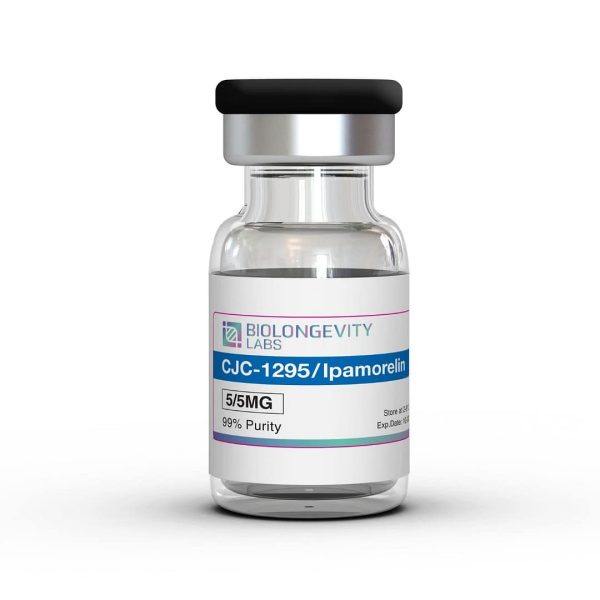
CJC 1295 Ipamorelin (10mg)
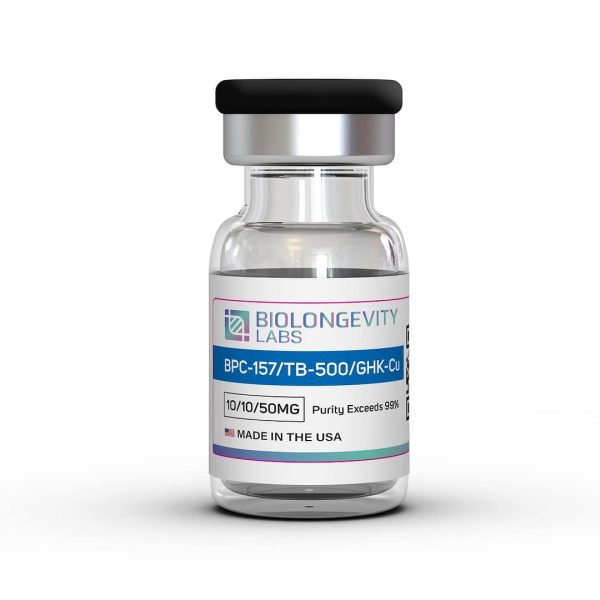
GLOW Peptide (GHK-Cu, BPC-157, TB-500) (70mg)
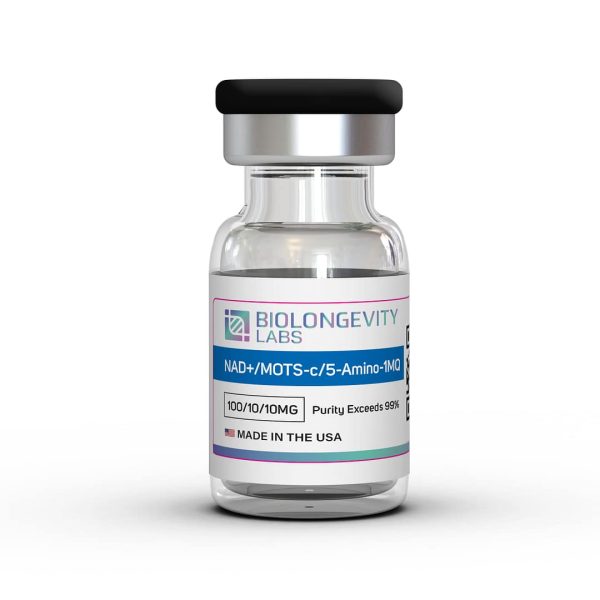
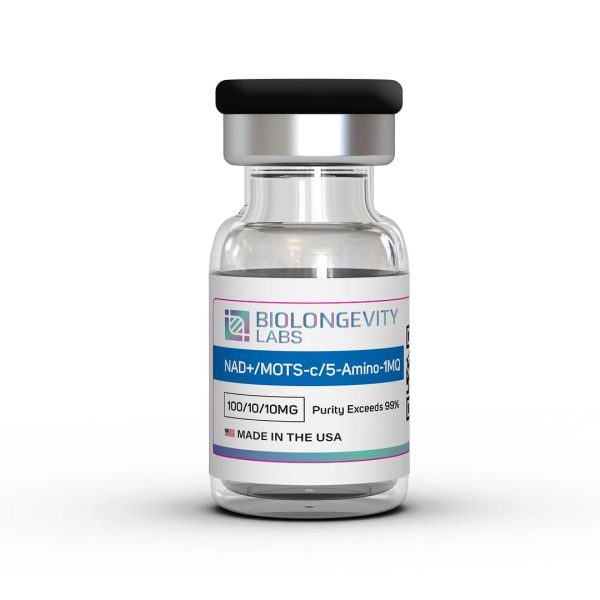
NAD+ / MOTS-c / 5-Amino-1MQ Blend – 120mg (100mg / 10mg / 10mg)
The BioLongevity Labs NAD+/MOTS-c/5-Amino-1MQ Blend unites three distinct compounds that converge on cellular energy, mitochondrial function, and metabolic regulation. Together, their mechanisms are designed to:
- Enhance mitochondrial and cellular energy balance.
- Improve metabolic health.
- Support cognitive and longevity research.
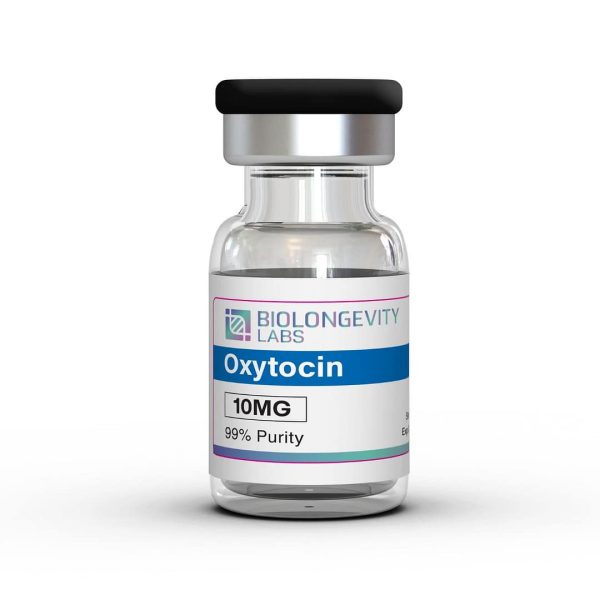
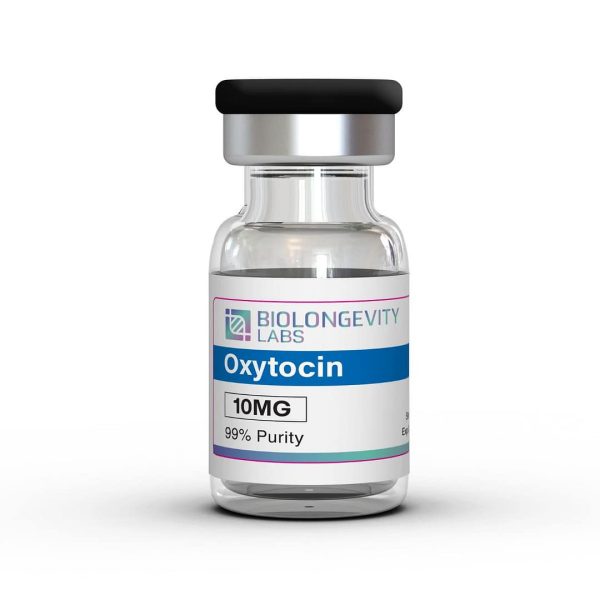
Oxytocin (10mg)