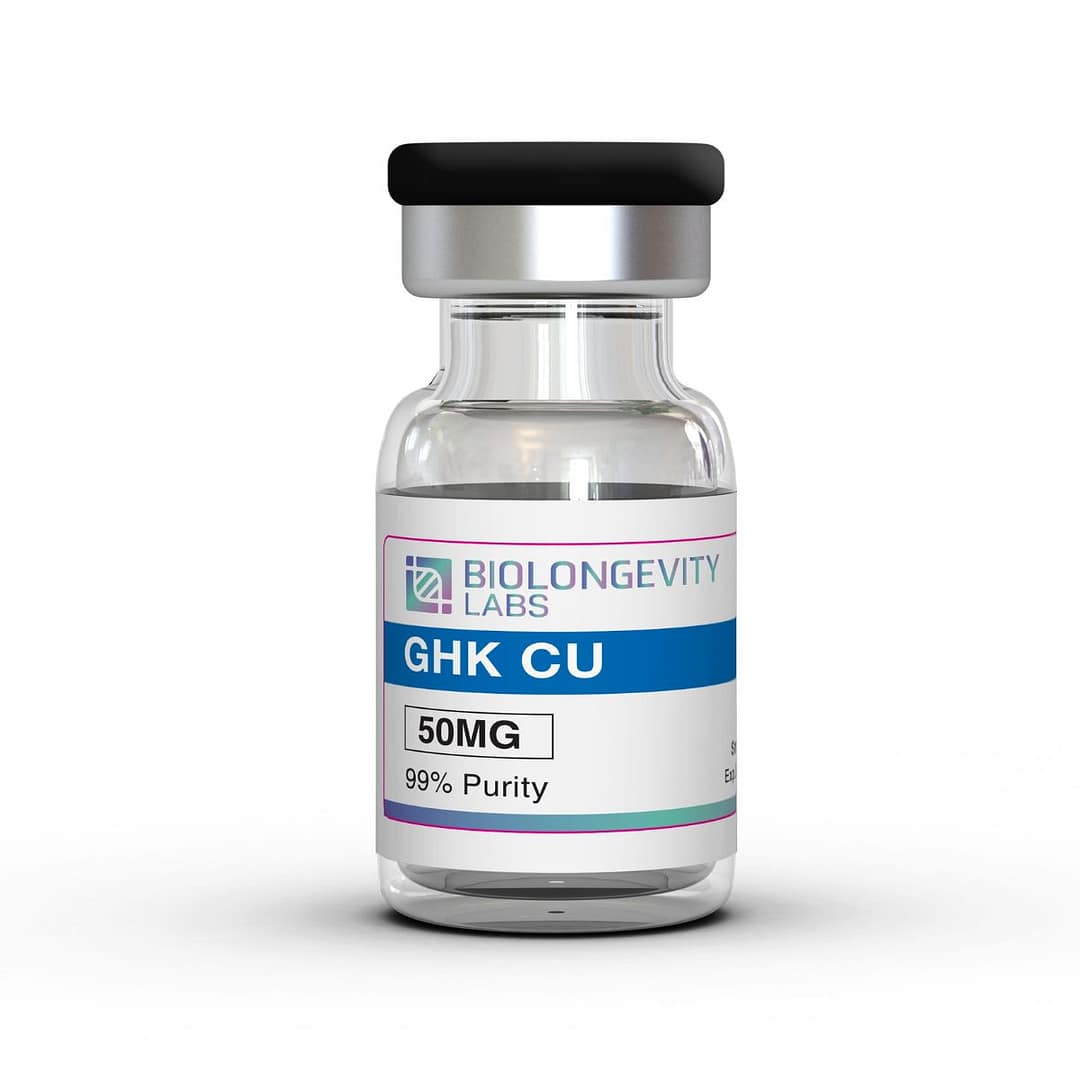
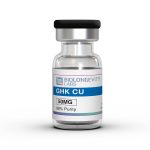
GhK-cu copper peptide (50mg)
$47.89
ghk-cu copper peptide is a naturally occurring copper complex first isolated from human plasma in 1973. It is a tripeptide bound to a copper ion. Because it fundamentally alters tissue repair, GHK-Cu is widely used in skincare
What is ghk-cu copper peptide?
Peptides, which the body naturally produces, are chains of amino acids—the fundamental building blocks of proteins. Their job is essential: like structural “bricks,” they help form proteins such as collagen and elastin, both crucial for maintaining the skin’s texture, density, and elasticity. Among the estimated billions of peptides that exist, copper peptide GHK-Cu has inspired particular excitement within cosmetic science.
What do Copper Peptides do for Your Skin?
The simple answer: Copper peptides in skincare make your skin appear plump and bouncy with visibly diminished fine lines.
Our natural collagen production decreases year by year as we age, leaving our skin cells less full, which creates fine lines and wrinkles over time. Copper peptides help fill those skin cells back up for bouncy, healthy, youthful-looking skin.
Key Benefits of ghk-cu copper peptide
Because it fundamentally alters tissue repair, GHK Cu Peptide is widely used in skincare, hair restoration, and regenerative medicine.
1. Advanced Anti-Aging and Skincare
-
Wrinkle Reduction: By boosting collagen and elastin better than traditional mainstays like Vitamin C or retinoic acid, it firms the skin and reduces fine lines.
-
Hyperpigmentation & Tone: It improves skin clarity and fades age spots by regulating melanin production.
-
Skin Barrier Repair: It strengthens the epidermal barrier, making skin more resilient against environmental damage.
2. Wound Healing and Tissue Regeneration
-
Faster Recovery: It accelerates the healing of burns, surgical incisions, and diabetic ulcers.
-
Antioxidant Support: It triggers superoxide dismutase (SOD), a powerful antioxidant enzyme that neutralizes free radicals at the injury site.
-
Anti-Scaring: It helps regulate the healing process so that tissue remodels smoothly rather than forming thick, raised scars.
3. Hair Growth and Scalp Health
-
Follicle Enlargement: GHK-Cu blocks DHT (dihydrotestosterone), the hormone responsible for male and female pattern baldness, effectively enlarging hair follicles.
-
Anchorage: It strengthens the extracellular matrix around the hair root, reducing shedding and promoting thicker, healthier hair growth.
Topical Therapy: Serums for Skin and Hair Regeneration
For localized concerns, topical application is highly effective. GHK-Cu has a low molecular weight, allowing it to penetrate the stratum corneum and exert its effects directly on dermal and follicular cells.
- ghk-cu copper peptide Skin: In skincare, GHK-Cu stimulates fibroblasts to produce collagen and elastin, reduces hyperpigmentation, and improves skin elasticity. A copper peptide serum with a concentration of 1% to 3% is considered the clinical standard for visible results in skin firmness and wrinkle reduction.
- GHK-Cu Copper peptide for Hair Loss: When applied to the scalp, GHK-Cu works to counteract follicular miniaturization, a key factor in androgenetic alopecia. It increases follicle size, stimulates angiogenesis to improve blood supply, and prolongs the anagen (growth) phase of the hair cycle. Concentrations for hair serums are typically similar to those for skin, ranging from 1.5% to 3%.
GHK-Cu Dosage Chart
This GHK-Cu copper peptide dosage chart explains a 50 mg vial prepared to a final volume of 3.0 mL for a concentration of 16.67 mg/mL. The GHK-Cu dosage protocol examples below cover 1.0 mg, 1.5 mg, and 2.0 mg amounts, with matching U-100 syringe units, reconstitution steps, supplies, and research context.
- Reconstitute: Prepare the 50 mg vial to a final volume of 3.0 mL for a concentration of 16.67 mg/mL.
- Research protocol range: The tables below cover 1.0 mg, 1.5 mg, and 2.0 mg using the standard and alternative research-use schedules.
- Easy measuring: At 16.67 mg/mL, 1 U-100 unit = 0.01 mL = approximately 166.7 mcg.
- Quick conversions: 1.0 mg = 6 units, 1.5 mg = 9 units, and 2.0 mg = 12 units.
Ghk-Cu Copper Peptide Injection Side Effects:
Common Side Effects
While Ghk-Cu copper peptide is well-tolerated, some individuals may experience mild side effects, including:
- Redness or swelling at the injection site
- Temporary fatigue
- Mild headaches
Conclusion
Ghk-Cu peptide injections offer a wide range of benefits, from improving skin health to accelerating wound healing. Its natural ability to repair and regenerate tissues makes it a valuable tool in modern medicine. While side effects are minimal, consulting a healthcare provider is essential for safe and effective use.
Related products
Cagrilintide (Amylin Analog) (5mg)
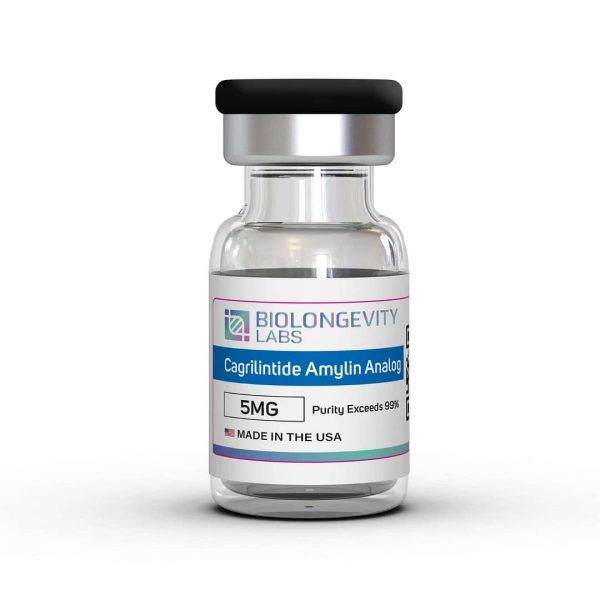
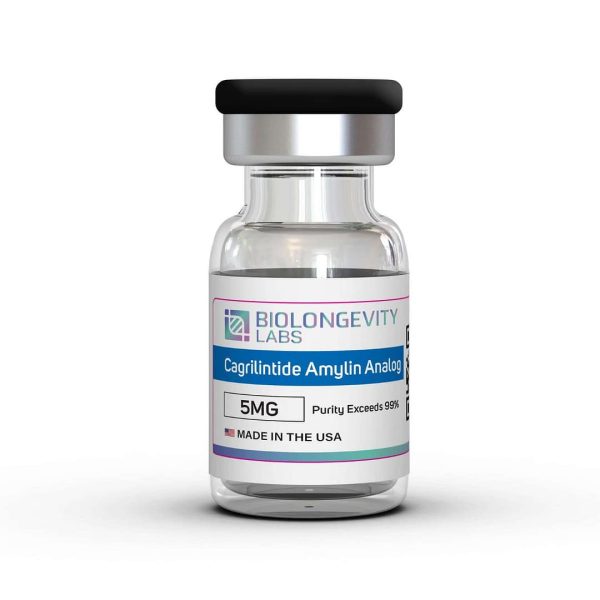
Cagrilintide is a novel long-acting amylin analogue featuring N-terminal lipidation that extends its half-life by binding to albumin. This synthetic peptide mimics and enhances natural amylin’s effects, simultaneously targeting multiple metabolic and appetite regulation pathways in both homeostatic and hedonic systems.
Follistatin (FLGR242) (10mg)
FOXO4-DRI (10 mg)
FOXO4-DRI is a synthetic peptide designed to selectively induce apoptosis in senescent cells, which are cells that have stopped dividing but remain metabolically active. These cells contribute to aging and various age-related diseases through their pro-inflammatory secretions, known as the senescence-associated secretory phenotype (SASP).
Kisspeptin-10 (10mg)
N-Acetyl Semax Amidate (20mg)
N-acetyl Semax is a synthetic heptapeptide derived from the adrenocorticotropic hormone (ACTH) fragment ACTH(4-7), modified with an N-terminal acetyl group and a C-terminal Pro-Gly-Pro extension. This structural adaptation enhances its stability against enzymatic degradation. N-acetyl Semax interacts with melanocortin receptors (MC₄ and MC₅), modulating pathways linked to cognitive function, stress response, and neuroprotection.