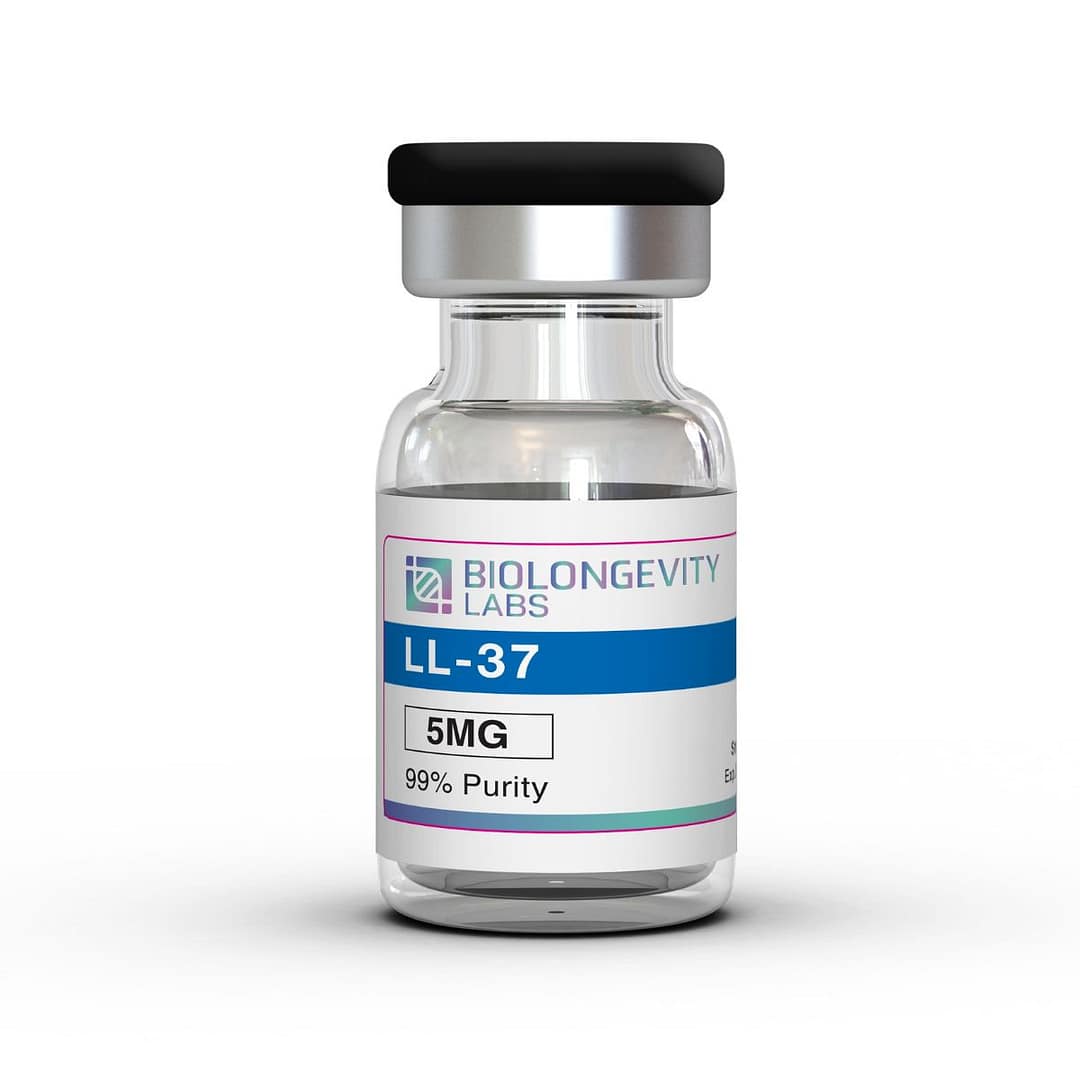
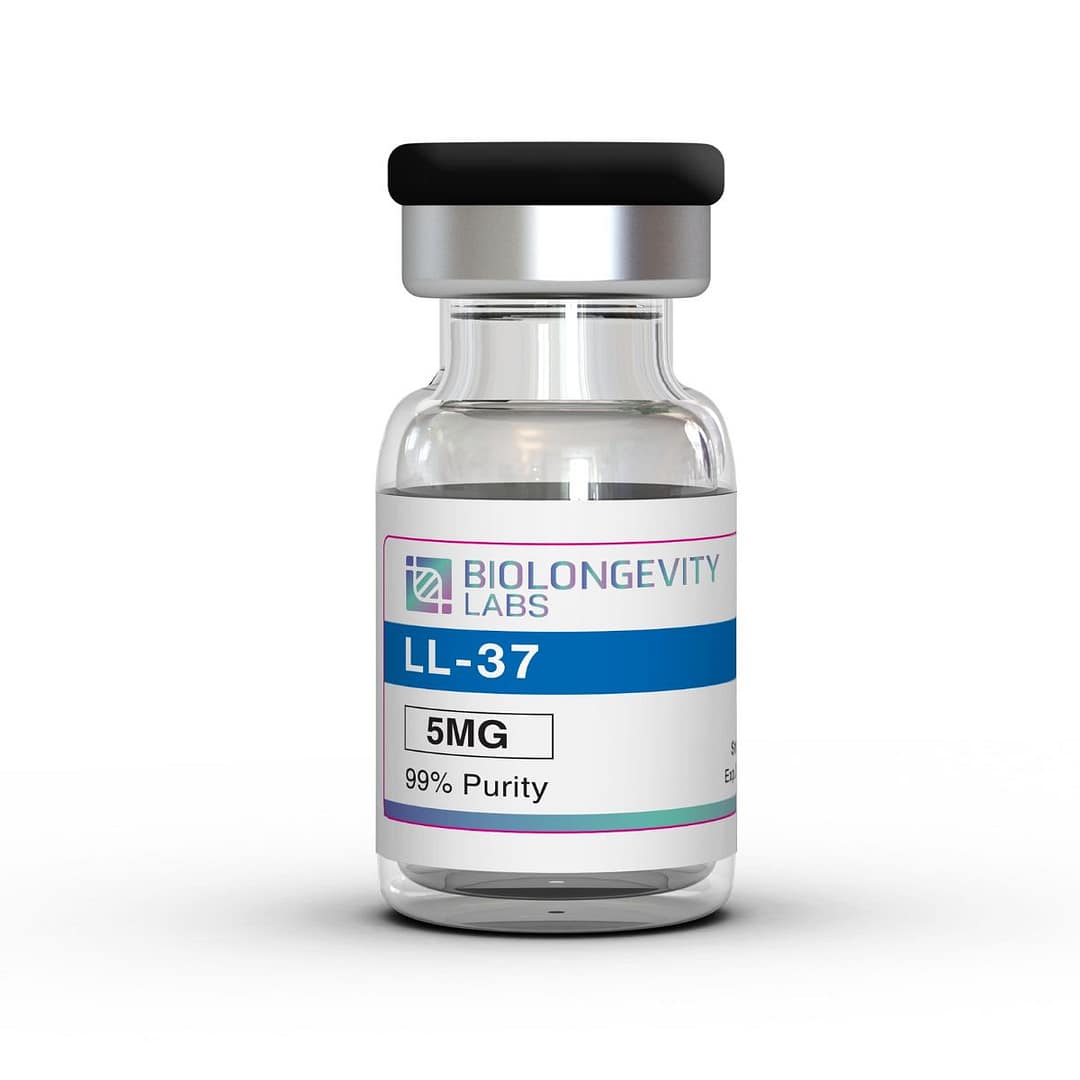
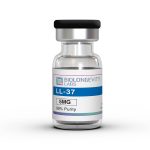
LL-37 Peptide (5mg)
$50.58
LL-37 Peptide (CAP-18)
LL-37 peptide is a multifunctional antimicrobial peptide that serves as a critical component of the innate immune system. Derived from the C-terminal end of the human cathelicidin protein hCAP-18, this 37-amino acid peptide is produced by various cell types including neutrophils, macrophages, and epithelial cells.
Beyond its direct antimicrobial activities against bacteria, viruses, and fungi, LL-37 peptide exhibits remarkable immunomodulatory functions such as chemotaxis, wound healing promotion, and inflammation regulation. It achieves this versatility by interacting with cell membranes and various receptors, modifying immune cell responses.
Due to its therapeutic potential, LL-37 peptide has become a significant focus in research for developing novel antimicrobial agents, particularly against antibiotic-resistant pathogens, as well as treatments for inflammatory conditions and wound management.
Peptide Information
| Property | Value |
|---|---|
| Peptide Sequence | Leu-Leu-Gly-Asp-Phe-Phe-Arg-Lys-Ser-Lys-Glu-Lys-Ile-Gly-Lys-Glu-Phe-Lys-Arg-Ile-Val-Gln-Arg-Ile-Lys-Asp-Phe-Leu-Arg-Asn-Leu-Val-Pro-Arg-Thr-Glu-Ser |
| Molecular Formula | C205H340N60O53 |
| Molecular Weight | 4493 g/mol |
| CAS Number | 154947-66-7 |
| PubChem CID | 16198951 |
| Synonyms | CAP-18, Cathelicidin, antibacterial peptide LL-37, 154947-66-7, ropocamptide |
LL-37 Peptide Benefits
-
Broad-Spectrum Antimicrobial Activity: Directly kills Gram-positive and Gram-negative bacteria, fungi, and certain enveloped viruses by targeting and disrupting their cell membranes.
-
Neutralization of Endotoxins: Binds directly to bacterial lipopolysaccharides (LPS), preventing LPS-induced septic shock and dampening hyper-inflammatory signaling.
-
Immune Recruitment (Chemotaxis): Recruits neutrophils, monocytes, and T-cells to infection or tissue injury sites.
-
Wound Healing & Angiogenesis: Stimulates vascular endothelial growth factor (VEGF) expression, promoting new blood vessel growth and epithelial tissue repair.
Medical & Pathological Relevance
| Condition / Context | Role of LL-37 |
| Psoriasis | Overexpressed: Binds self-DNA/RNA released from dead cells, triggering autoimmune dendritic cell activation. |
| Atopic Dermatitis | Underexpressed: Low levels contribute to frequent secondary bacterial infections (Staphylococcus aureus). |
| Rosacea | Abnormal Processing: Cleaved into shorter, aberrant forms that induce facial redness and inflammation. |
| Drug Development | Therapeutic Potential: Under research for bio-coatings, chronic wound dressings, and novel treatments targeting multidrug-resistant pathogens. |
Clinical Dosage & Administration Context
Note: There is no standardized, FDA-approved human dosage protocol for general wellness or systemic use. Clinical studies have primarily tested topical formulations for hard-to-heal chronic wounds:
-
Topical Wound Application (Clinical Trial Data):
-
In clinical trials for chronic venous leg ulcers and large wounds, topical LL-37 peptide solutions were applied twice weekly.
-
Effective Concentrations: 0.5\text{ mg/mL}and 1.6\text{ mg/mL} significantly accelerated wound closure and re-epithelialization.
-
U-Shaped Dose Curve / Toxicity Threshold: High topical doses (3.2\text{ mg/mL}) lost therapeutic efficacy and caused localized adverse reactions, such as tissue irritation or necrosis.
-
-
Anecdotal / Off-Label Subcutaneous Use: While underground or peptide wellness communities sometimes use 100\text{ mcg}–250\text{ mcg} daily via subcutaneous injection, these protocols are strictly experimental and lack rigorous human safety data.
Related products
BPC 157 Peptide (10mg)
CJC 1295 Ipamorelin (10mg)
Follistatin (FLGR242) (10mg)
Kisspeptin-10 (10mg)
N-Acetyl Semax Amidate (20mg)
N-acetyl Semax is a synthetic heptapeptide derived from the adrenocorticotropic hormone (ACTH) fragment ACTH(4-7), modified with an N-terminal acetyl group and a C-terminal Pro-Gly-Pro extension. This structural adaptation enhances its stability against enzymatic degradation. N-acetyl Semax interacts with melanocortin receptors (MC₄ and MC₅), modulating pathways linked to cognitive function, stress response, and neuroprotection.
PEG-MGF (5mg)