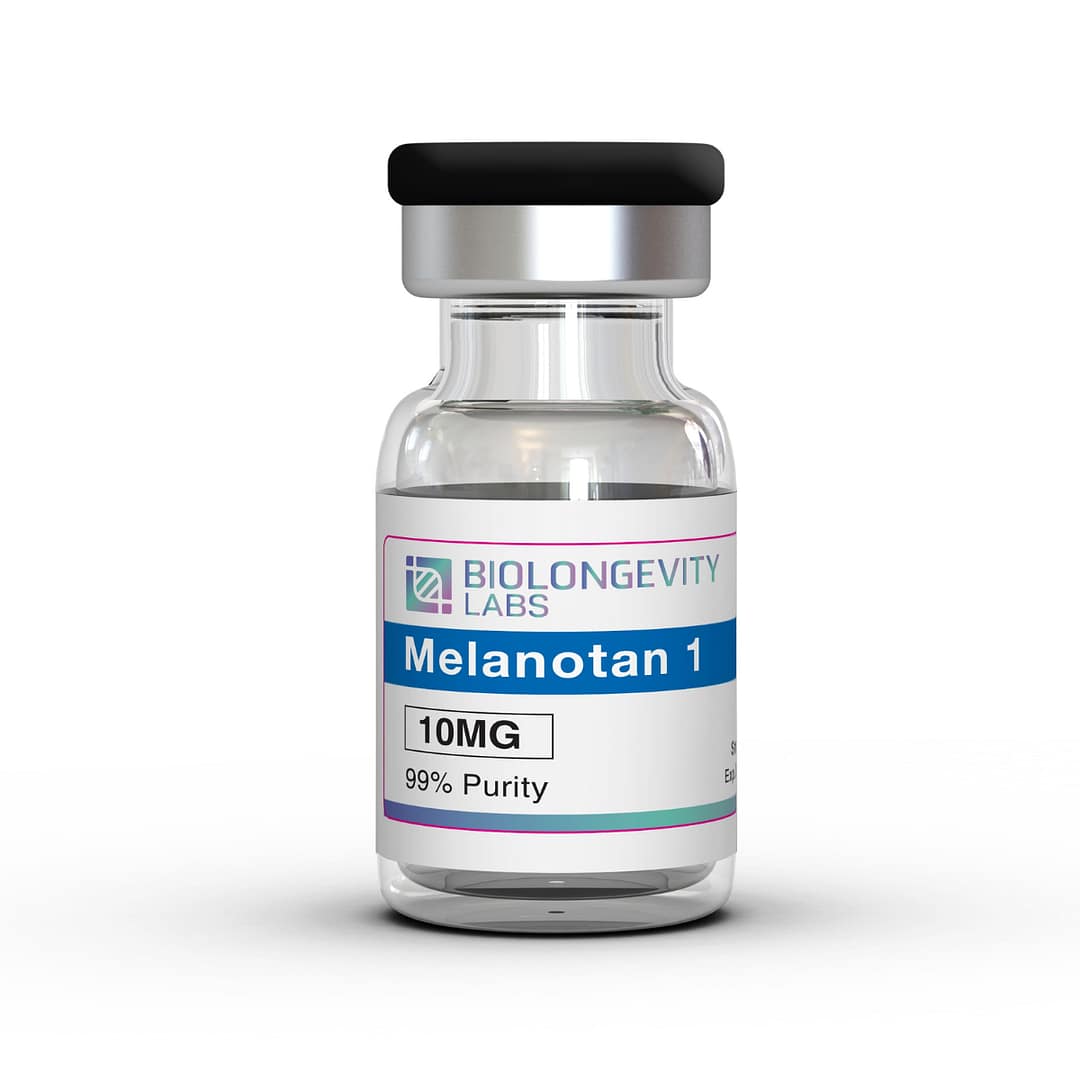
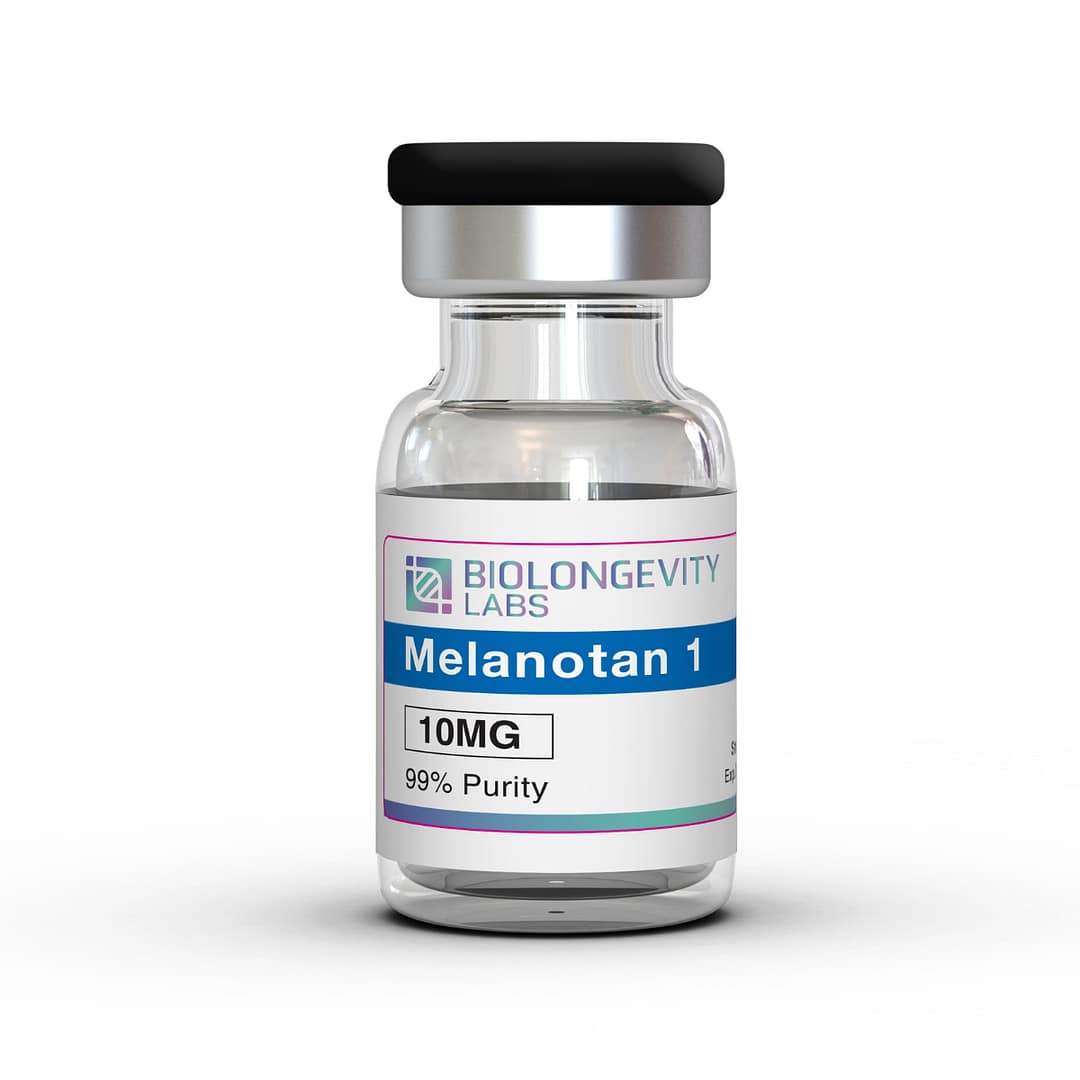
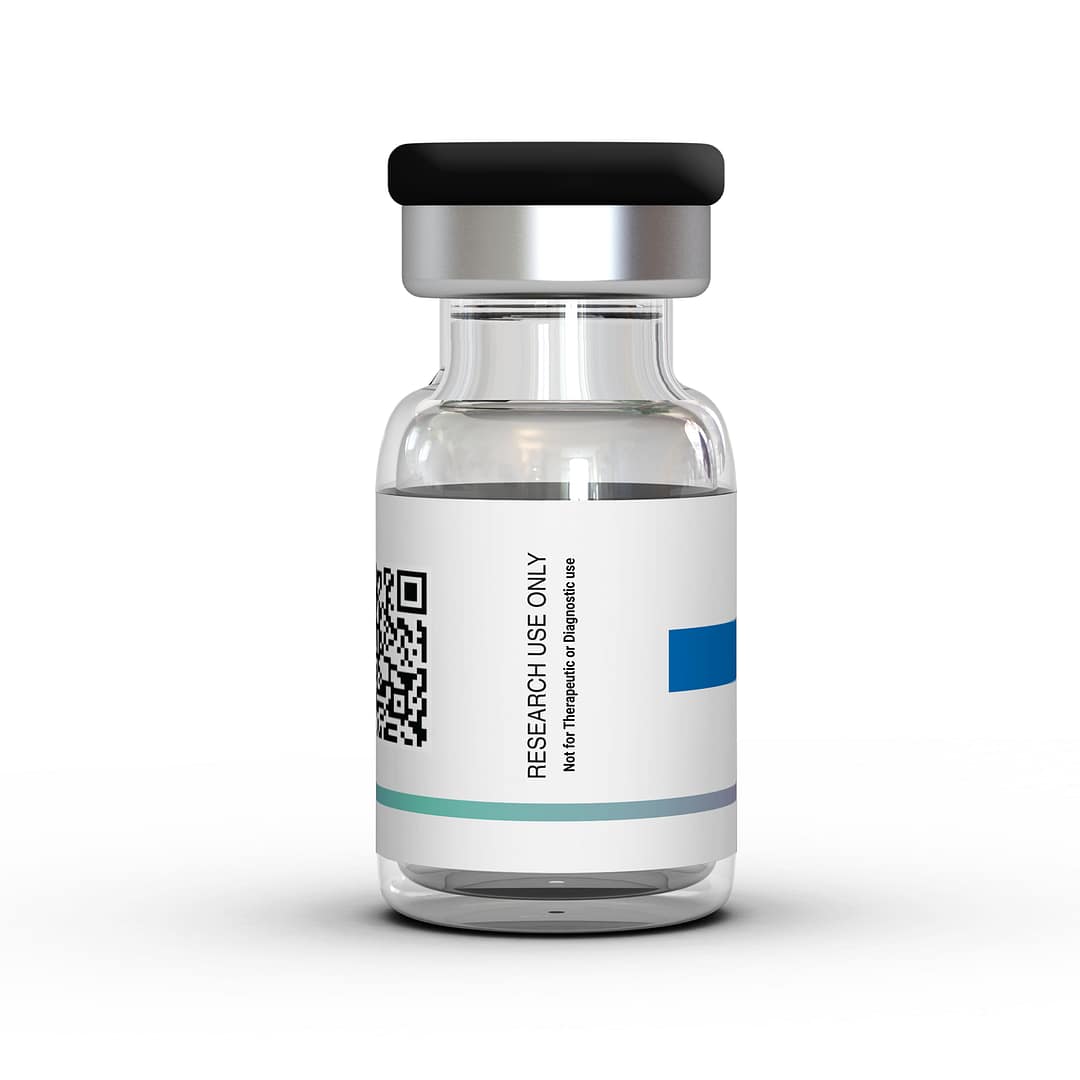
Melanotan 1 Peptide (10mg)
$55.97
Melanotan 1 peptide (also known as MT-1 or Afamelanotide) is a synthetic peptide that mimics the effects of a natural hormone in your body called alpha-melanocyte-stimulating hormone.
Melanotan 1 Peptide
Melanotan-1 peptide (afamelanotide, melanotan-I) is a synthetic analog of alpha-melanocyte stimulating hormone (α-MSH). This peptide hormone analog demonstrates activity at melanocortin receptors in laboratory studies.
How It Works (Mechanism of Action)
To understand, it helps to understand how your body naturally tans. Under normal circumstances, when your skin is exposed to UV rays, it triggers the release of natural \alpha-MSH, which binds to specific targets called Melanocortin 1 Receptors (MC1R) on your skin’s pigment cells (melanocytes).
Melanotan 1 peptide mimics this process but with a few structural modifications that make it much more powerful:
-
Receptor Activation: Melanotan 1 peptide acts as a potent agonist (activator) of the MC1R receptor. When it binds to this receptor, it kicks off a chemical cascade inside the cell, increasing an enzyme called tyrosinase.
-
Melanin Production: Tyrosinase accelerates the production of eumelanin—the dark brown/black pigment responsible for tanning.
-
Enzymatic Resistance: Unlike your body’s natural \alpha-MSH, which breaks down very quickly, Melanotan-1 peptide is molecularly altered to resist degradation. This means it stays in the body longer and provides a much more prolonged, stable signal to produce pigment.
Crucial Distinction: Unlike its counterpart Melanotan-2, Melanotan 1 peptide is highly selective for the MC1R receptor (skin pigment). Melanotan-2 binds broadly to other receptors in the brain and nervous system, which is why Melanotan-2 causes significant side effects like appetite suppression and spontaneous erections, whereas mt1 generally does not.
Primary Benefits Melanotan 1 Peptide
Because Melanotan 1 peptide causes the body to produce eumelanin (the type of melanin that is highly protective against radiation), its benefits are primarily centered around dermatological protection.
1. Photoprotection (Sun Defense)
Eumelanin acts as a natural physical barrier, absorbing and scattering harmful UVA and UVB light. By increasing melanin density before you even step into the sun, mt1 significantly raises your skin’s natural baseline defense against sunburns and UV-induced DNA damage.
2. Treatment for Photosensitivity Disorders
Under the approved medical name Afamelanotide (brand name Scenesse), Melanotan 1 is a legally approved treatment in several regions for rare, severe sun-sensitivity disorders. The most notable is Erythropoietic Protoporphyria (EPP), a genetic condition where exposure to light causes excruciating pain. mt1 increases skin pigmentation enough to allow these individuals to spend time outdoors without experiencing debilitating pain.
3. “Sunless” Tanning
For the general public, it is frequently sought out as a lifestyle peptide because it allows individuals—even those with very fair skin (Fitzpatrick Skin Type I or II) who normally only burn—to achieve a deep tan with minimal sun exposure.
This peptide is provided strictly for in vitro research purposes in qualified laboratory settings. Researchers studying melanocortin biology and pigmentation mechanisms use Melanotan-1 in controlled experimental protocols for investigating cellular signaling pathways.
Melanotan-1 peptide serves research laboratories studying:
- Melanocortin receptor signaling pathways
- Melanogenesis mechanisms in cell culture systems
- Photoprotection pathways in dermal cell models
- α-MSH analog interactions with MC1R
- Pigmentation biology in controlled laboratory settings
Melanotan 1 vs. Melanotan 2
While both peptides induce skin pigmentation, their receptor selectivity and safety profiles differ significantly:
| Feature | Melanotan 1 (Afamelanotide) | Melanotan 2 (MT-2) |
| Receptor Profile | Selective for MC1R | Non-selective (MC1R, MC3R, MC4R, MC5R) |
| Primary Effects | Skin pigmentation / Photoprotection | Pigmentation + central nervous system effects |
| Systemic Side Effects | Low incidence of non-dermatological effects | High incidence of appetite suppression, facial flushing, and increased libido / spontaneous erections |
| Approval Status | Approved (as Scenesse) for specific medical conditions | Unapproved globally; sold primarily on grey markets |
Regulatory Status & Uses
Approved Clinical Use (Scenesse)
Afamelanotide is approved by regulatory bodies (including the FDA and EMA) under the brand name Scenesse as a slow-release subcutaneous implant. It is indicated for adult patients with Erythropoietic Protoporphyria (EPP), a severe genetic light-sensitivity disorder, to increase pain-free light exposure.
Unregulated & Cosmetic Use
Melanotan 1 peptide Injectable liquid formulations or nasal sprays sold online for cosmetic sunless tanning are generally unregulated. Products purchased from non-pharmaceutical vendors carry significant risks regarding purity, sterility, accurate concentration, and potential contaminants.
Potential Side Effects & Safety Considerations
-
Common Short-Term Effects: Nausea, transient facial flushing, headache, lethargy, and localized injection-site reactions.
-
Dermatological Changes: Darkening of pre-existing moles and freckles, as well as the potential appearance of new pigmented macules.
-
Clinical Monitoring: Medical supervision is recommended during therapy to monitor changes in moles, as pigmentation changes can make detecting dysplastic lesions or early-stage melanoma more difficult..
Related products
Cagrilintide (Amylin Analog) (5mg)
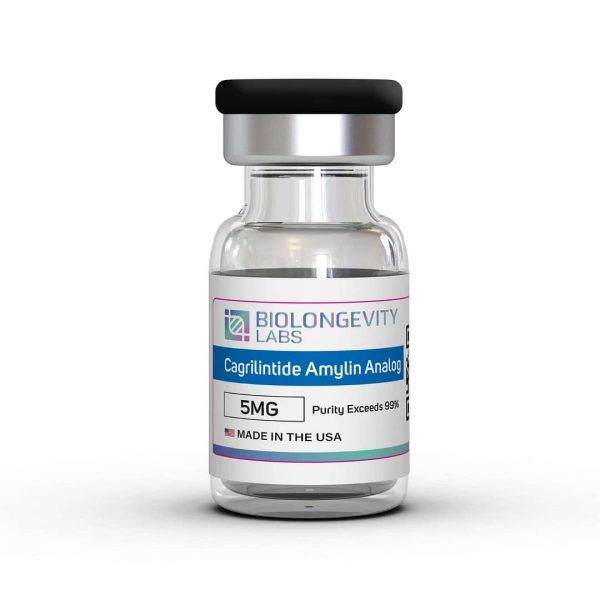
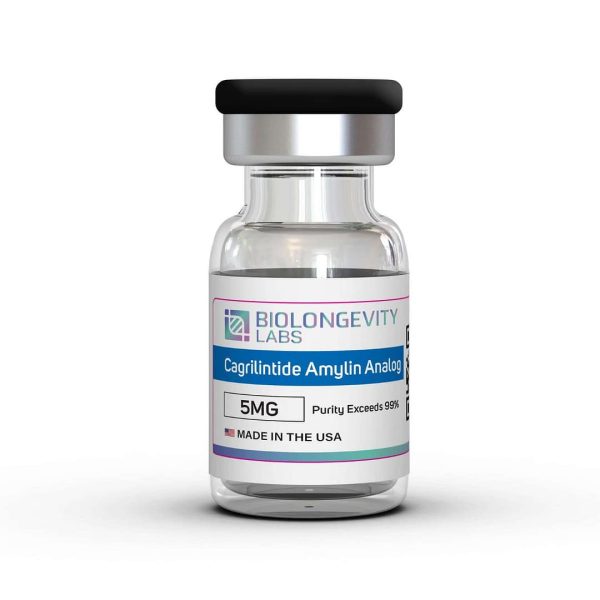
Cagrilintide is a novel long-acting amylin analogue featuring N-terminal lipidation that extends its half-life by binding to albumin. This synthetic peptide mimics and enhances natural amylin’s effects, simultaneously targeting multiple metabolic and appetite regulation pathways in both homeostatic and hedonic systems.
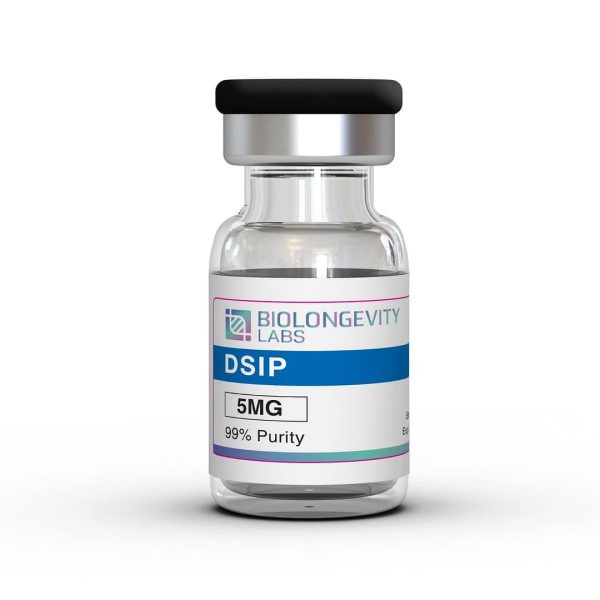
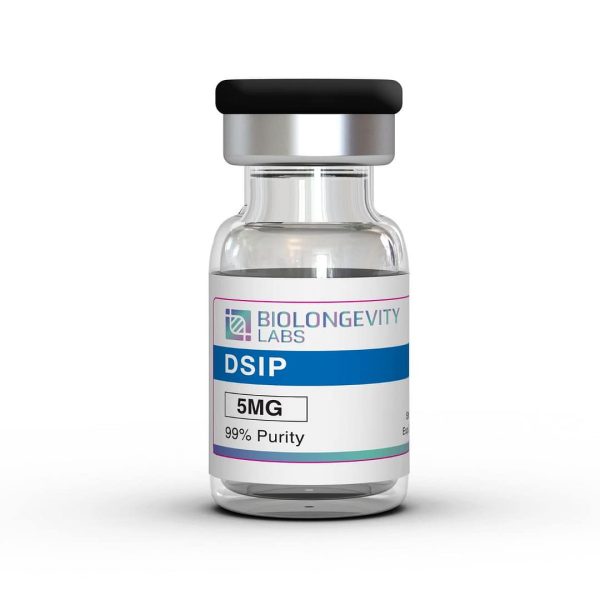
DSIP (Delta Sleep Inducing Peptide) (5mg)
Delta Sleep Inducing Peptide (DSIP) is a naturally occurring nonapeptide known for its role in promoting sleep, particularly delta sleep, across various species including rabbits, rats, and mice. It is characterized by its ability to enhance delta and spindle electroencephalogram (EEG) patterns, which are associated with deep sleep stages.
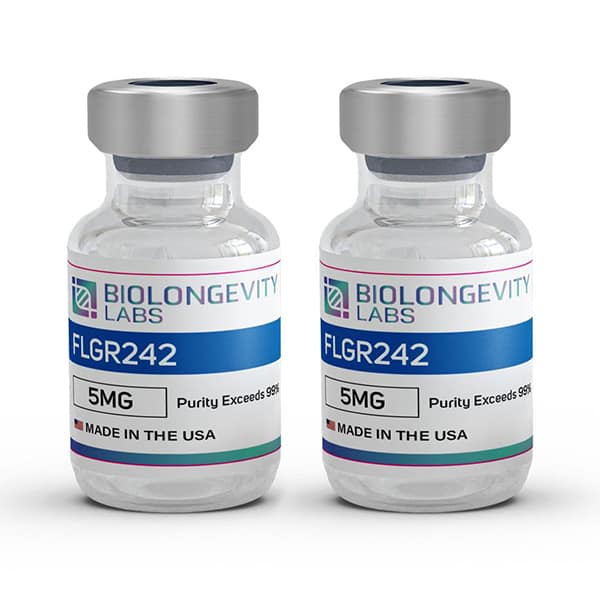
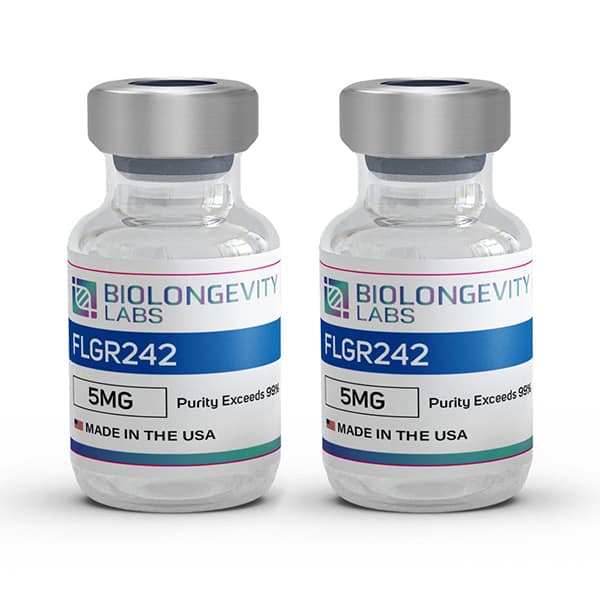
Follistatin (FLGR242) (10mg)
Kisspeptin-10 (10mg)
KPV Peptide (10mg)
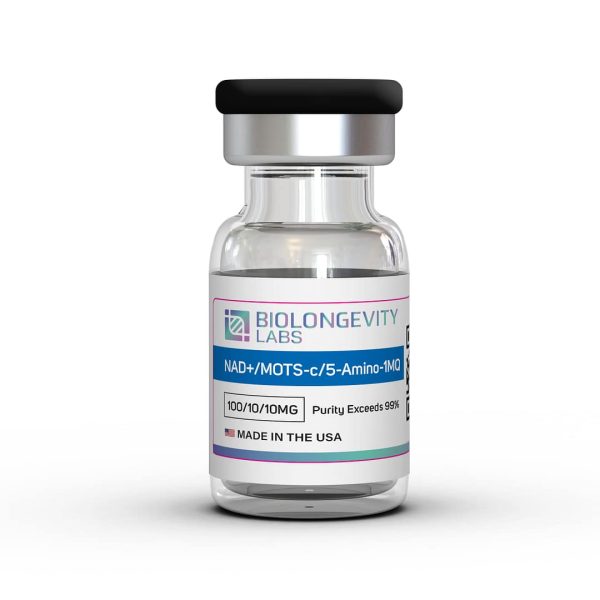
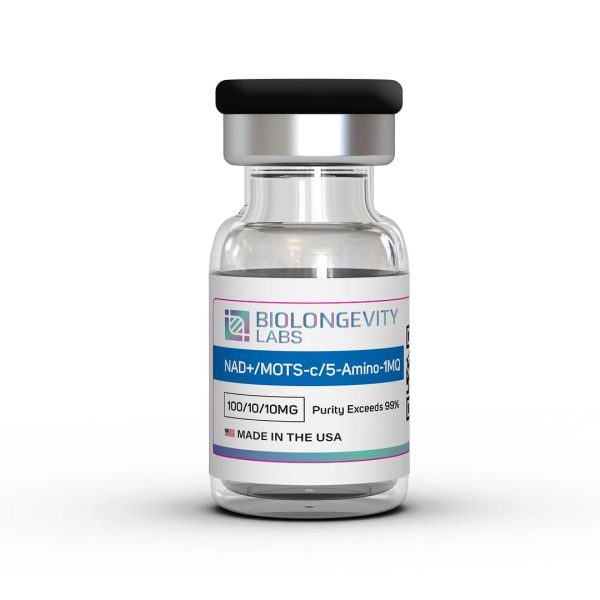
NAD+ / MOTS-c / 5-Amino-1MQ Blend – 120mg (100mg / 10mg / 10mg)
The BioLongevity Labs NAD+/MOTS-c/5-Amino-1MQ Blend unites three distinct compounds that converge on cellular energy, mitochondrial function, and metabolic regulation. Together, their mechanisms are designed to:
- Enhance mitochondrial and cellular energy balance.
- Improve metabolic health.
- Support cognitive and longevity research.
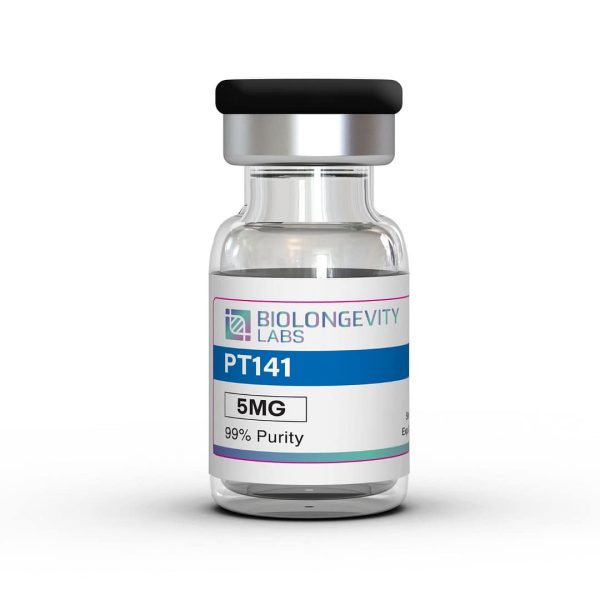
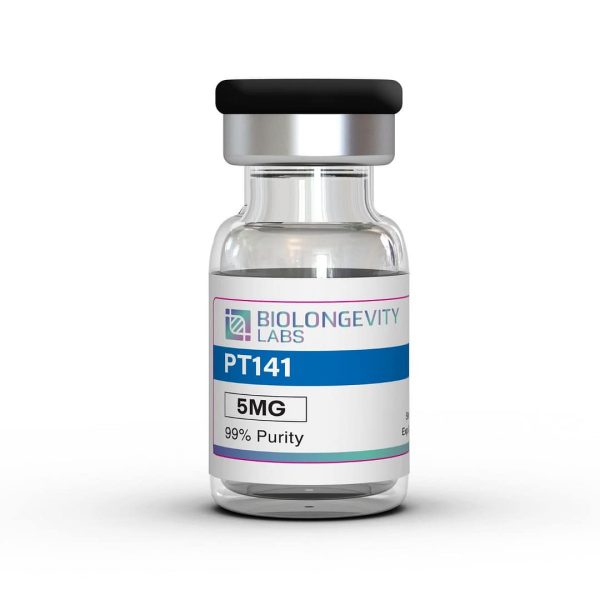
PT 141 Peptide (5mg)