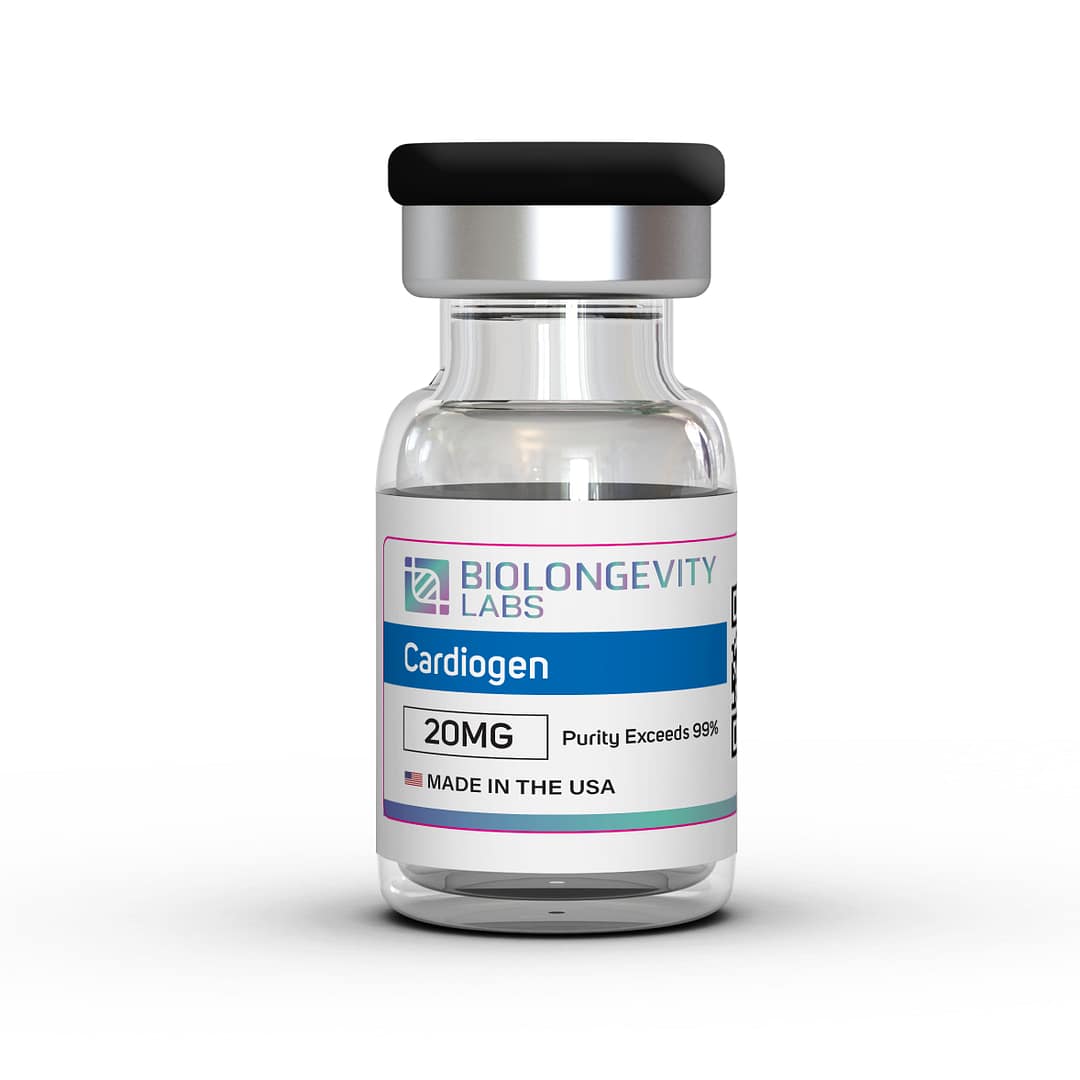
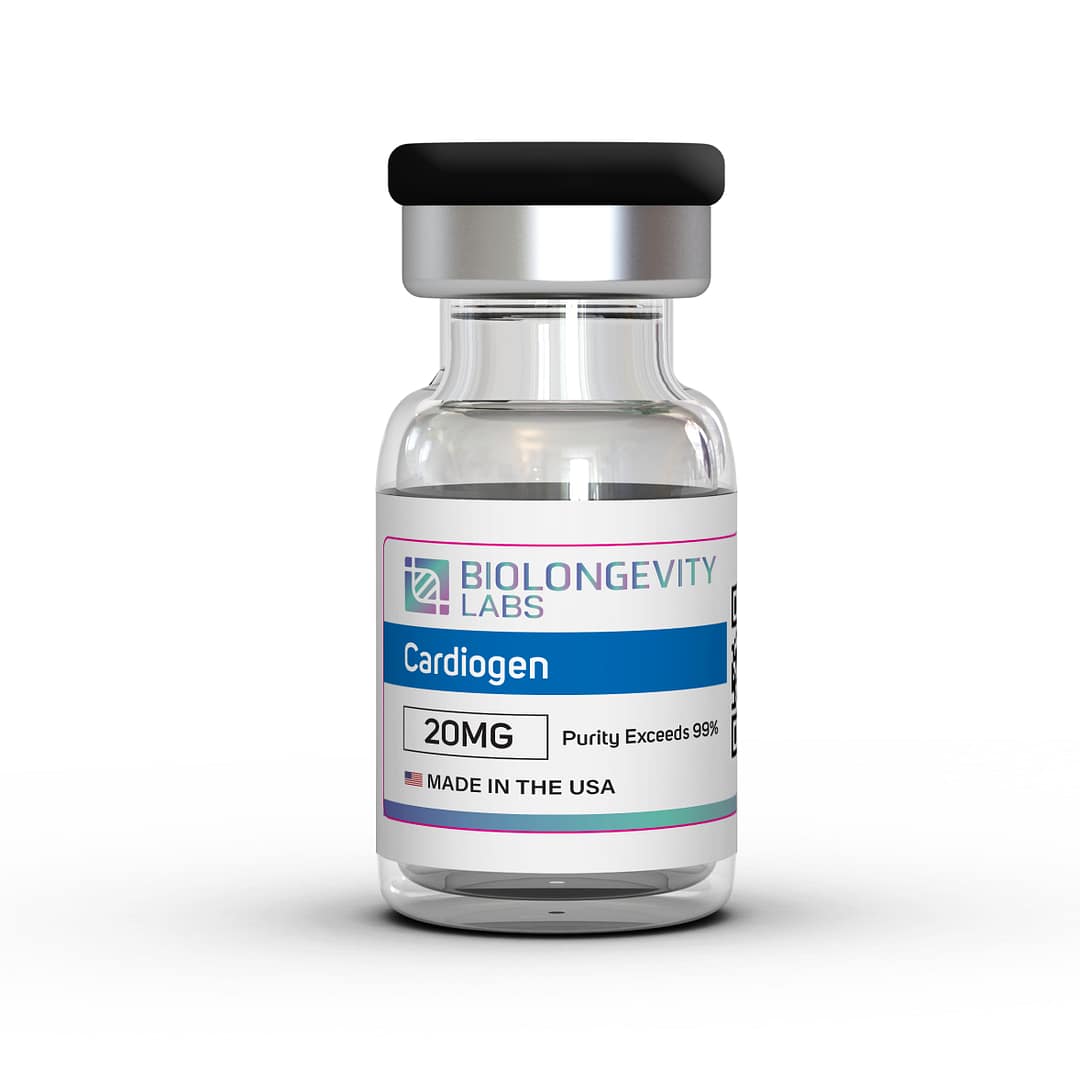
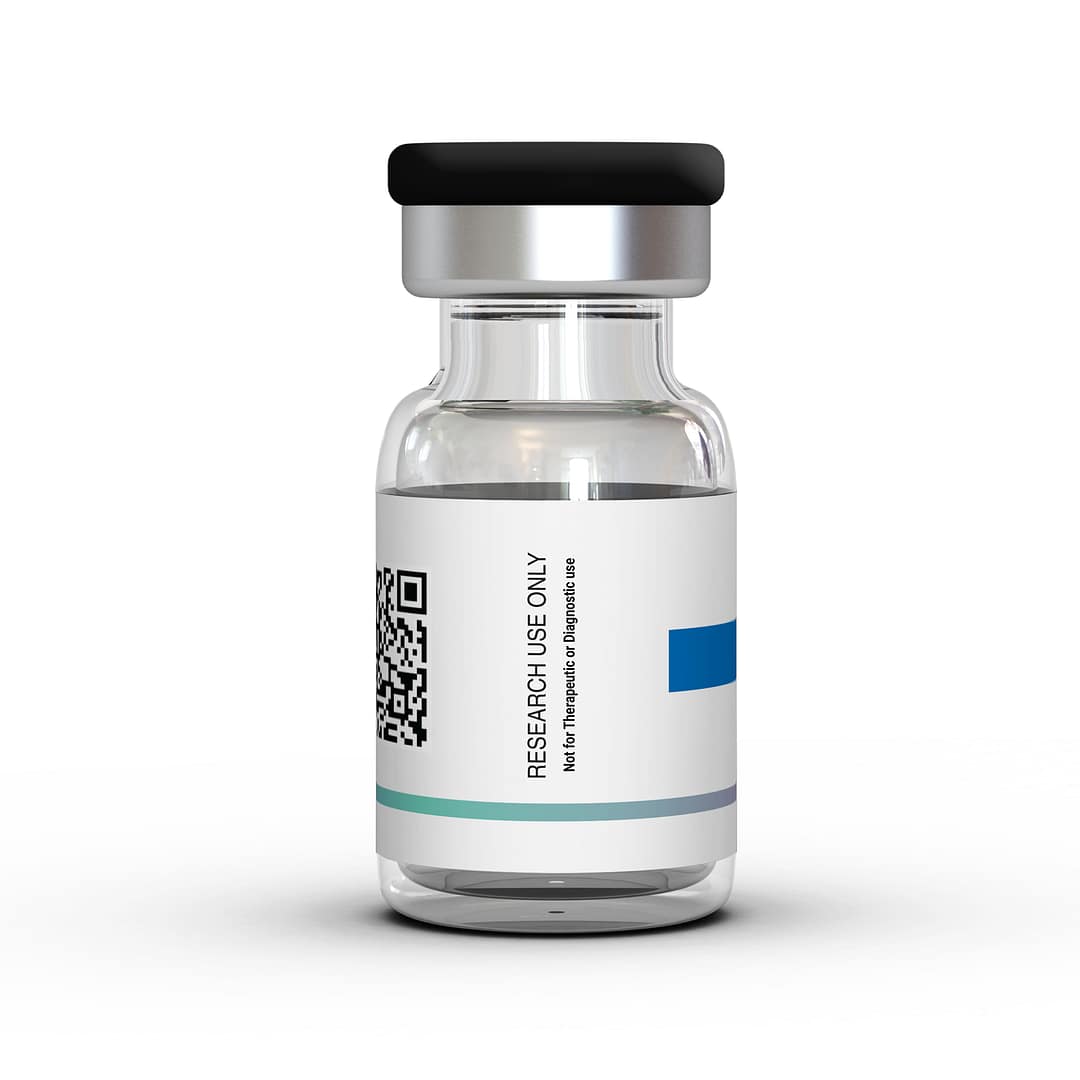
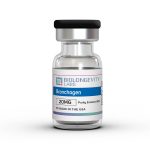
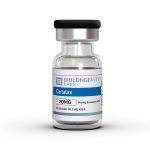
Cardiogen (20mg)
$69.97
Cardiogen (AEDR) is a synthetic tetrapeptide with the sequence H-Ala-Glu-Asp-Arg-OH. It functions as a bioregulator peptide, primarily targeting fibroblasts and cardiomyocytes to modulate tissue repair and cardiovascular function.
Cardiogen Peptide Description
Cardiogen is a synthetic tetrapeptide (H-Ala-Glu-Asp-Arg-OH) that has been studied for its dual role in cardiovascular repair and cellular regulation. Cardiogen targets fibroblasts—key cells in tissue repair—and cardiomyocytes to promote heart muscle regeneration while inhibiting scar tissue formation. Its molecular structure underpins interactions with cellular signaling pathways linked to oxidative stress and inflammation.
Peptide Information
| Property | Value |
|---|---|
| Peptide Sequence | Ala-Glu-Asp-Arg |
| Molecular Formula | C18H31N7O9 |
| Molecular Weight | 489.5 g/mol |
| PubChem CID | 11583989 |
| Synonyms | SCHEMBL3194515 |
Cardiogen Structure
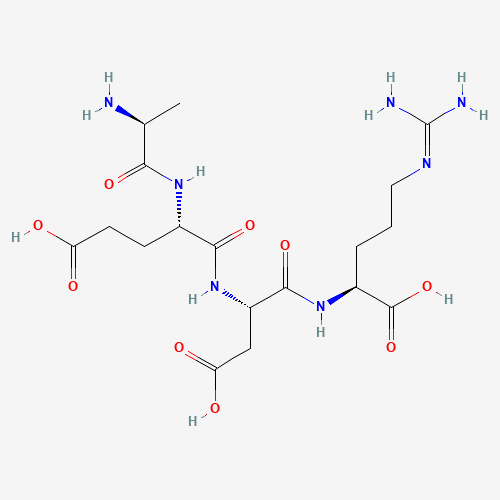
Source: PubChem
Product Usage:
This PRODUCT IS INTENDED AS A RESEARCH CHEMICAL ONLY. This designation allows the use of research chemicals strictly for in vitro testing and laboratory experimentation only. All product information available on this website is for educational purposes only. This product should only be handled by licensed, qualified professionals. This product is not a drug, food, or cosmetic and may not be misbranded, misused or mislabeled as a drug.
Related products
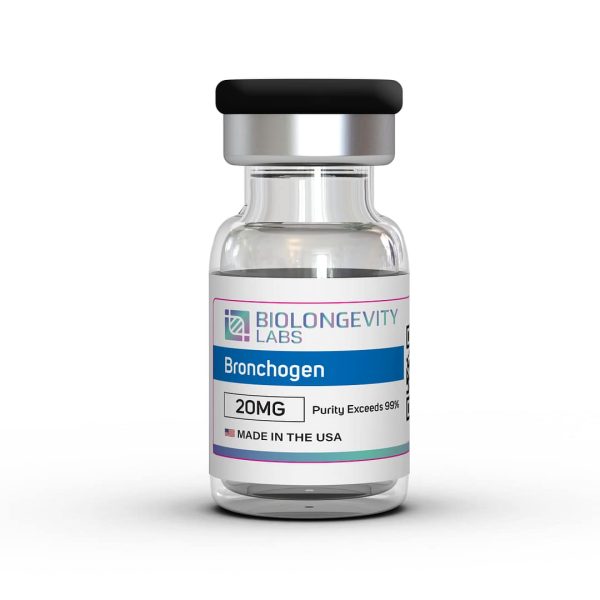
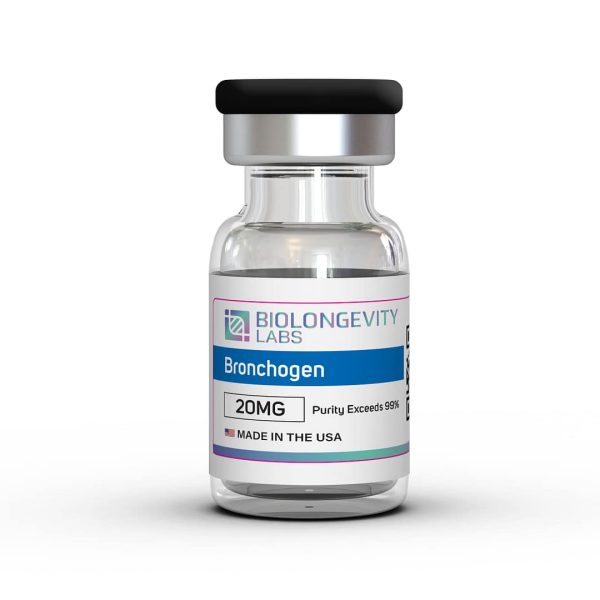
Bronchogen (20mg)
Bronchogen is a tetrapeptide made up of four amino acids in sequence: Alanine-Glutamic acid-Aspartic acid-Leucine (Ala-Glu-Asp-Leu). It is a bioregulatory peptide primarily recognized for its role as a DNA-stabilizing agent and its potential bronchodilating and anti-inflammatory properties in respiratory conditions.
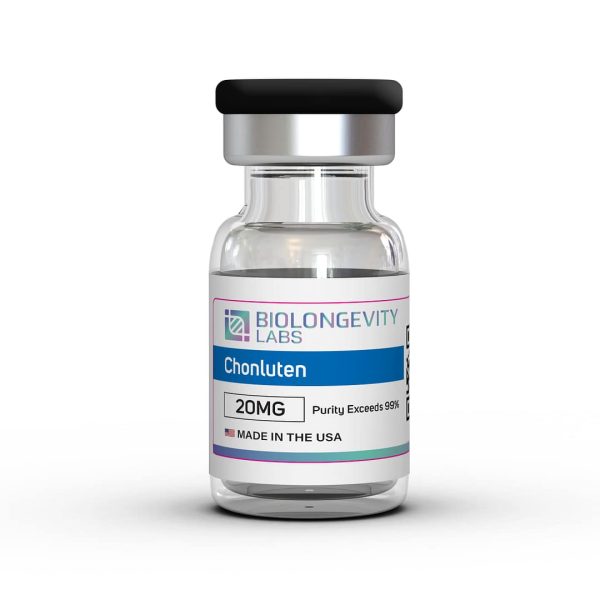
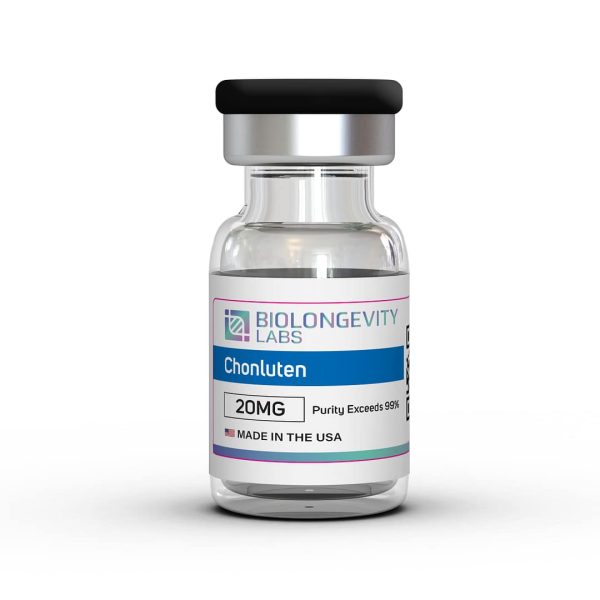
Chonluten (20mg)
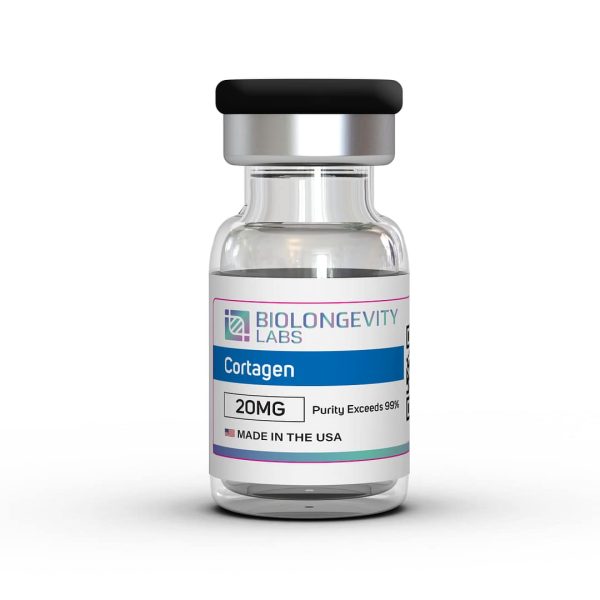
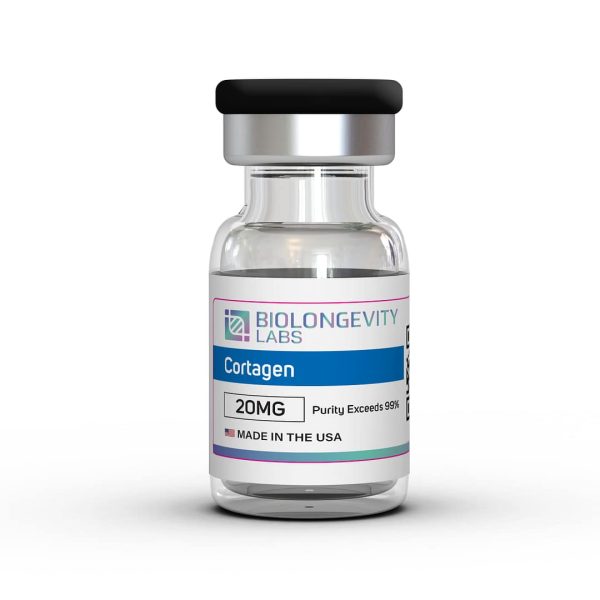
Cortagen (20mg)
Cortagen is a synthetic tetrapeptide with the amino acid sequence Ala-Glu-Asp-Pro (AEDP). It belongs to the family of “Khavinson peptides,” which are short bioregulatory peptides typically composed of 2 to 4 amino acids. These peptides are known for their ability to influence gene expression in a tissue-specific manner and have been studied for their potential therapeutic effects on aging, inflammation, and tissue repair.
Testagen Peptide (20mg)
Thymagen (Thymogen) (20mg)
Thymulin Peptide (10mg)
Vesugen Peptide (20mg)